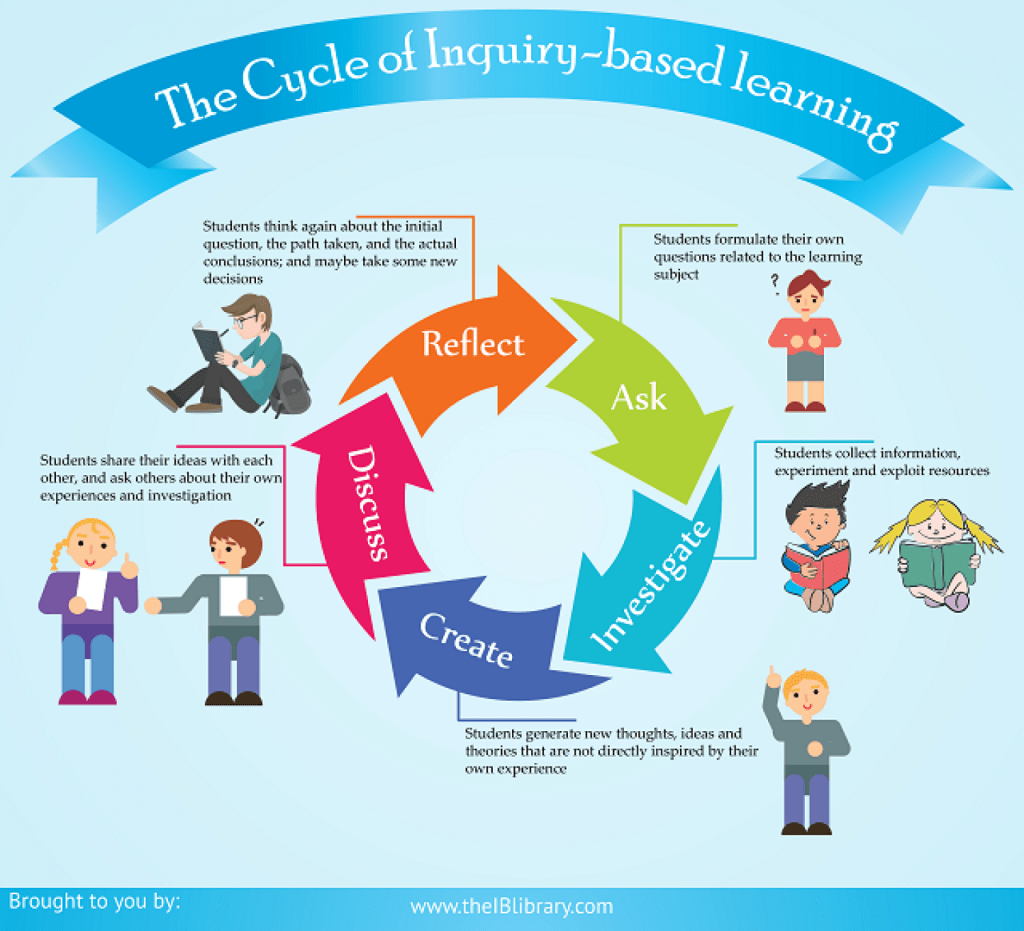
Panel Discussion: Exploring the Benefits of Inquiry-Based Learning
Welcome to our panel discussion on inquiry-based learning, a teaching approach that empowers students to actively explore and investigate topics of interest. Today, we have brought together a group of experts in the field who will shed light on the benefits and effectiveness of this innovative educational method.
Moderator: Thank you all for being here today. Let’s start by defining what exactly inquiry-based learning is.
Expert 1: Inquiry-based learning is an approach that encourages students to take ownership of their education by posing questions, conducting research, and seeking answers. It promotes critical thinking skills, problem-solving abilities, and fosters a deep understanding of the subject matter.
Expert 2: Absolutely! This student-centered approach shifts the focus from memorizing facts towards developing skills such as creativity, collaboration, and independence. Students learn not only content knowledge but also how to think critically and ask meaningful questions.
Moderator: How does inquiry-based learning differ from traditional teaching methods?
Expert 3: Traditional approaches often follow a “one size fits all” model where teachers deliver information through lectures or textbooks. In contrast, inquiry-based learning allows students to delve into topics they find intriguing while providing them with opportunities for hands-on experiences.
Expert 4: Additionally, inquiry-based learning nurtures curiosity and intrinsic motivation as it taps into students’ natural inclination to explore their surroundings. By encouraging active participation in their own education journey, learners become more engaged and invested in the process.
Moderator: That sounds fascinating! What are some specific advantages or outcomes you have observed with this approach?
Expert 5: One notable advantage is that it helps develop lifelong learners who are equipped with essential skills like problem-solving and critical thinking. These skills extend beyond academic settings into personal lives and future careers.
Expert 6: I’ve also noticed increased student engagement when using inquiry-based approaches. Students become active participants rather than passive recipients of information, which leads to a deeper understanding and retention of knowledge.
Moderator: It’s clear that inquiry-based learning has numerous benefits. However, are there any challenges associated with implementing this approach?
Expert 7: Implementation can be challenging for teachers who may need to adapt their instructional methods and create an environment that supports student-led exploration. This requires a shift in mindset and ongoing professional development.
Expert 8: Additionally, assessment methods must also be adjusted to align with inquiry-based learning. Traditional tests may not accurately capture the depth of students’ understanding or their ability to apply knowledge in real-world contexts.
Moderator: Thank you all for sharing your insights today. Inquiry-based learning certainly offers exciting possibilities for transforming education. As we conclude our discussion, what final thoughts would you like to leave our readers with?
Expert 9: I encourage educators to embrace inquiry-based learning as it empowers students to become active learners who not only acquire knowledge but also develop skills necessary for success in an ever-changing world.
Expert 10: And parents should support schools and teachers who adopt this approach, recognizing the long-term benefits it provides in preparing their children for future challenges and opportunities.
In conclusion, inquiry-based learning is a powerful educational tool that promotes critical thinking, problem-solving skills, and lifelong curiosity. By shifting the focus from content delivery towards student-driven exploration, we empower learners to take control of their education while fostering a love of learning that extends far beyond the classroom walls.
 Alternative Amie
Leave a comment