Poetry Memorization and Recitation: A Journey of Imagination and Expression
In the world of alternative schooling and education, there is a growing emphasis on creative expression and developing well-rounded individuals. One timeless art form that fosters imagination, language skills, and confidence is poetry memorization and recitation.
Memorizing poems may seem like an outdated practice to some, but it holds immense value in nurturing various aspects of a child’s development. When children engage with poetry, they are exposed to rich language patterns, imagery, metaphors, and emotions. This exposure enhances their vocabulary, comprehension skills, creativity, and emotional intelligence.
The process of memorizing a poem requires concentration and repetition. It trains the mind to focus deeply on one task while strengthening memory retention. As children commit verses to memory through repetition exercises or mnemonic techniques such as visualization or rhyming schemes, they sharpen their cognitive abilities.
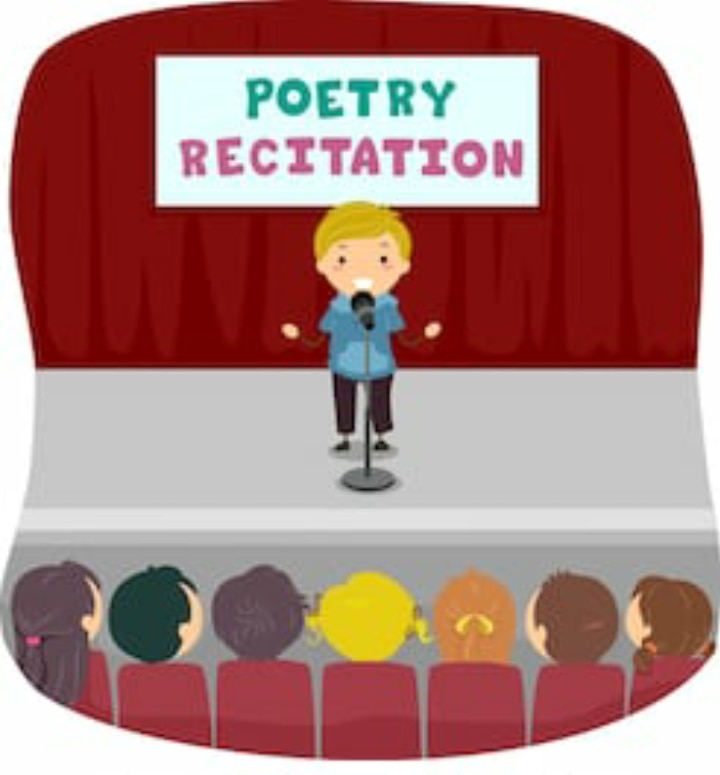
Furthermore, when students recite poems aloud in front of an audience – be it classmates or family members – they develop public speaking skills that can benefit them throughout their lives. The act of standing confidently before others builds self-assurance while fostering effective communication skills such as clarity, enunciation, pacing, intonation, and body language.
Apart from these practical benefits associated with poetry memorization and recitation lies the beauty of self-expression. Poetry allows individuals to explore complex emotions by putting words to feelings that might otherwise remain unexpressed. Through this creative outlet for thoughts and emotions comes personal growth as young minds learn to articulate themselves effectively.
Integrating poetry into classrooms or homeschooling environments offers numerous opportunities for cross-curricular connections as well. Teachers can incorporate themes from literature or history into the selection of poems for memorization – allowing students to delve deeper into different subjects while building a strong foundation in language arts.
Moreover,
poetry has no limitations when it comes to age or grade level; even at early stages of learning-to-read, children can be introduced to simple rhymes and nursery rhymes that lay the groundwork for later exploration of more complex forms. As students progress, they can explore different styles and genres of poetry, from classic sonnets to modern free verse.
In conclusion, incorporating poetry memorization and recitation into alternative schooling and education environments offers countless benefits. It nurtures language skills, cognitive abilities, confidence, creativity, emotional intelligence, public speaking skills – all while fostering a deep appreciation for the beauty of language and self-expression. By engaging with poetry at an early age and throughout their educational journey, students are not only building a lifelong love for literature but also developing essential life skills that will serve them well in various aspects of their lives.
 Alternative Amie
Leave a comment