Biomimicry in Engineering Education
Introduction:
Engineering education is constantly evolving, with educators seeking innovative ways to engage and inspire students. One emerging trend is the integration of biomimicry into engineering curriculum. Biomimicry, or the imitation of nature’s designs and processes in solving human problems, offers a unique approach to teaching engineering principles while fostering creativity and sustainability. In this article, we will explore the benefits of incorporating biomimicry in engineering education and discuss how it can enhance students’ learning experiences.
Benefits of Biomimicry in Engineering Education:
1. Real-world relevance: By studying nature’s solutions to complex challenges, students gain a deeper understanding of how engineering concepts are applied in real-world scenarios. They learn to appreciate the elegance and efficiency of natural systems and apply these principles when designing their own solutions.
2. Interdisciplinary connections: Biomimicry bridges various disciplines such as biology, physics, materials science, and design. Integrating these subjects allows students to see the interconnectedness between different fields and fosters a holistic approach to problem-solving.
3. Creativity enhancement: Nature provides an endless source of inspiration for innovation through its diverse forms, functions, and processes. By examining natural systems closely, students develop inventive thinking skills that can be applied to engineering projects.
4. Sustainability focus: As the world faces pressing environmental challenges, it is crucial for engineers to consider sustainable practices when developing new technologies or systems. Biomimicry promotes sustainable design by emphasizing resource efficiency, waste reduction, and renewable energy sources – all important aspects that future engineers need to address.
5. Hands-on learning experiences: Incorporating biomimetic design projects into engineering courses allows students to apply theoretical knowledge directly through practical experiments or prototypes inspired by nature’s solutions. These hands-on activities promote active learning engagement while nurturing critical thinking skills.
Examples of Biomimetic Design Projects:
1. Velcro Fasteners: Inspired by the burrs that stick to clothing, George de Mestral invented Velcro. This design is a classic example of biomimicry where the concept of hook and loop fasteners was imitated from nature.
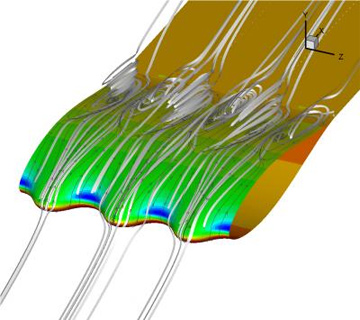
2. Wind Turbines: The shape and structure of wind turbine blades have been optimized by studying the fins of humpback whales. These blades now have better aerodynamics, resulting in increased energy efficiency.
3. Self-Cleaning Surfaces: Lotusan paint mimics the self-cleaning properties of lotus leaves. By mimicking the microstructure of these leaves, engineers have developed a coating that repels dirt and water, reducing maintenance needs for buildings.
4. Termite-inspired Cooling Systems: Termites build complex mounds with intricate ventilation systems to maintain optimal temperature inside their nests. Engineers have replicated this system in building designs to improve natural cooling processes.
Implementation Strategies:
1. Guest lectures and industry partnerships: Inviting experts from biomimicry-focused industries or research institutions can provide students with real-world insights into how biomimicry is applied in engineering practice.
2. Case studies and research projects: Assigning case studies or research projects that explore existing examples of biomimetic design will help students understand various applications across different engineering disciplines.
3. Design challenges and competitions: Organizing design challenges or competitions focused on biomimetic solutions encourages students’ creativity while fostering teamwork and problem-solving skills.
4. Field trips to natural habitats or museums: Taking students to natural habitats or museums dedicated to biodiversity can offer firsthand experiences with biological systems that inspire biomimetic design ideas.
Conclusion:
Incorporating biomimicry into engineering education offers numerous benefits for both educators and students alike. By integrating nature’s principles into curriculum, educators can foster creativity, interdisciplinary thinking, sustainability awareness, and hands-on learning experiences among students pursuing careers in engineering fields.
Through practical applications such as Velcro fasteners, wind turbines, and self-cleaning surfaces, students can witness the power and potential of biomimicry in solving real-world challenges. By implementing strategies such as guest lectures, case studies, design challenges, and field trips, educators can create an engaging learning environment that nurtures innovation and critical thinking skills.
By embracing biomimicry in engineering education, we not only equip students with the knowledge and skills required for their future careers but also instill in them a deep appreciation for nature’s wisdom and a sense of responsibility towards sustainable engineering practices.
 Alternative Amie
Leave a comment