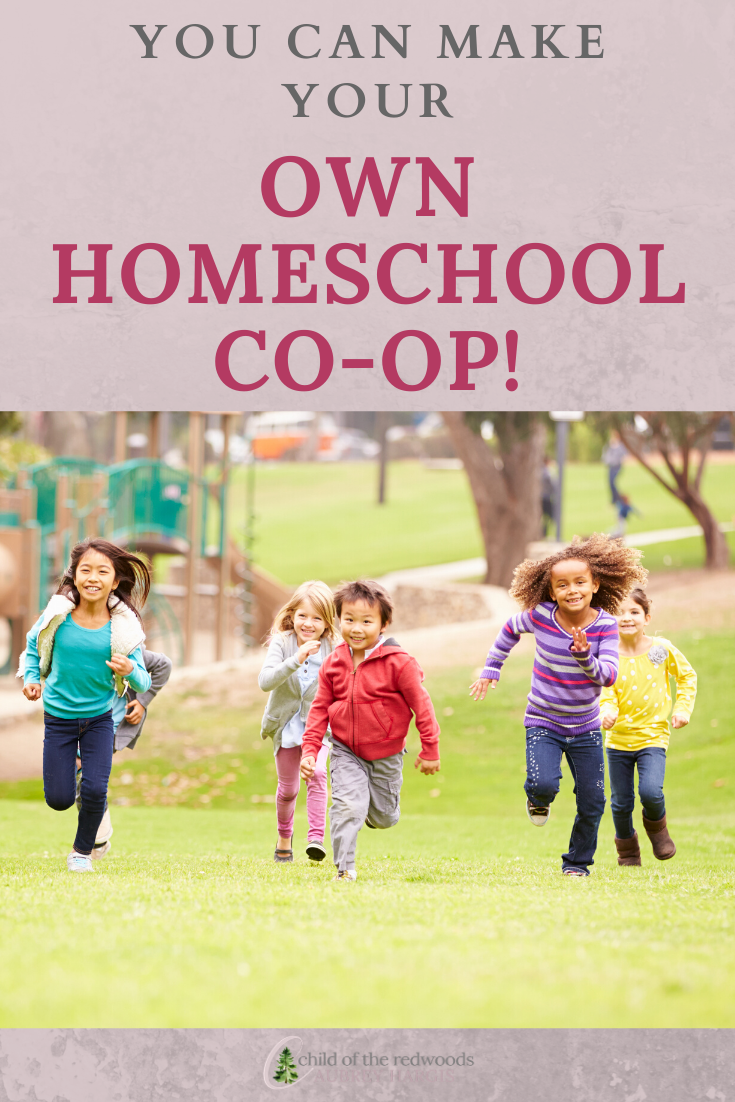
Co-op Socialization Opportunities: Fostering Community and Learning
In the realm of alternative schooling and education, cooperative learning is gaining popularity as a powerful tool for socialization. Cooperative or co-op programs provide students with unique opportunities to engage in collaborative projects, build relationships, and develop essential life skills. These programs go beyond traditional classroom settings, allowing students to interact with peers from diverse backgrounds while exploring their interests.
One of the primary benefits of co-op socialization opportunities is the chance for students to learn from one another. In a typical classroom setting, knowledge flows predominantly in one direction – from teacher to student. However, in co-ops, students take on more active roles as both teachers and learners. They can share their expertise or passions with others through workshops or presentations while also benefiting from the knowledge shared by fellow participants. This dynamic fosters an inclusive learning environment that encourages curiosity and exploration.
Furthermore, co-ops provide a space where students can collaborate on hands-on projects based on shared interests or goals. This collaborative approach promotes teamwork and communication skills – crucial assets in today’s interconnected world. Students have the opportunity to work together on group assignments, problem-solving activities, or even long-term projects like organizing events or starting clubs within the co-op community.
Notably, co-ops often bring together families who are actively involved in their child’s education journey. Parents play an integral role by volunteering as facilitators or mentors within various subjects or areas of expertise they possess. This involvement not only strengthens parent-child bonds but also allows parents to witness firsthand how their child interacts with peers and takes ownership of their own learning process.
Beyond academic growth, socializing through co-ops offers emotional support and friendship building among participants. As individuals engaged in alternative schooling may sometimes face isolation due to smaller class sizes or unconventional schedules, these programs create spaces for regular interactions that nurture relationships between like-minded individuals who share similar educational values.
Cooperative learning experiences can also be extended beyond the co-op sessions. Many co-ops organize field trips, workshops, or community service projects that deepen students’ understanding of the world around them and expose them to new experiences. These opportunities not only enhance their academic knowledge but also encourage social responsibility and empathy.
In conclusion, co-op socialization opportunities provide a rich environment for alternative school students to develop interpersonal skills, foster collaboration, expand their horizons, and build lasting connections. By engaging in cooperative learning environments, students gain valuable life skills that extend far beyond conventional classroom education. Co-ops truly embody the essence of alternative schooling by offering a more holistic approach to education while nurturing a strong sense of community among participants.
 Alternative Amie
Leave a comment