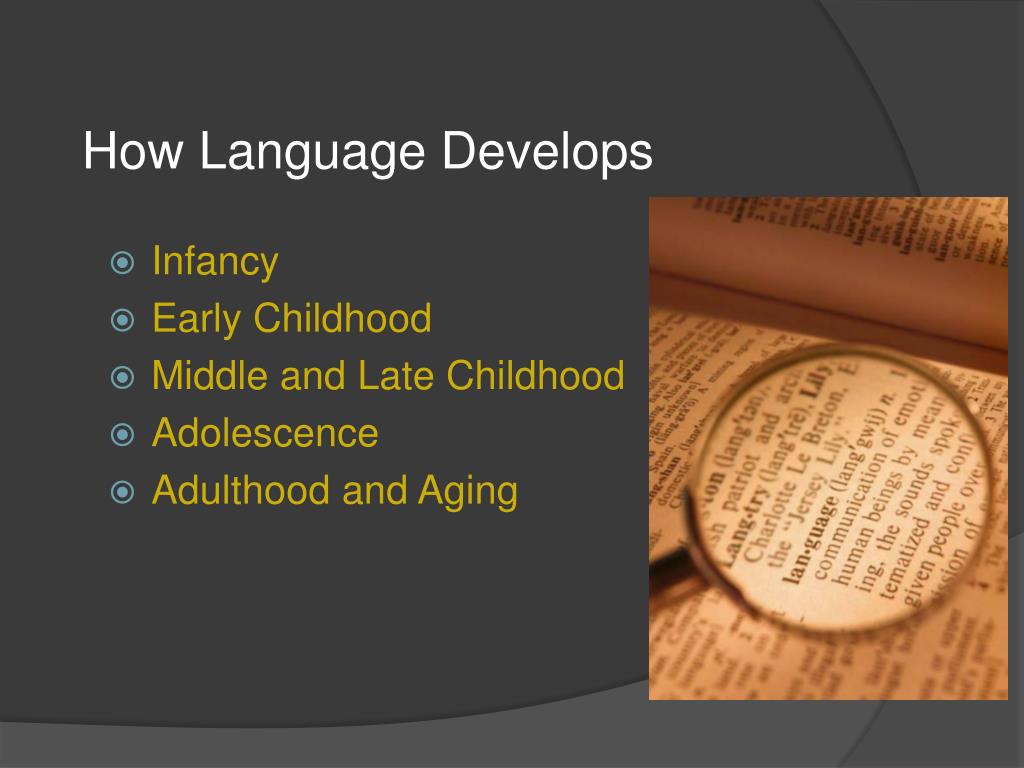
Strategies for Promoting Language Maintenance and Development at Home and School
Language is an essential tool for communication, expression, and understanding. It plays a crucial role in our everyday lives, shaping our thoughts and interactions. As such, it is important to promote language maintenance and development both at home and school to ensure that children have strong linguistic skills.
1. Create a Language-Rich Environment: One of the most effective ways to promote language development is by creating an environment that exposes children to rich vocabulary and meaningful conversations. Surround them with books, magazines, newspapers, or even audio materials that encourage reading or listening comprehension.
2. Encourage Active Listening: Actively engaging in conversations helps children develop better listening skills, which are fundamental for language acquisition. Encourage them to listen attentively when others speak and respond appropriately.
3. Read Aloud: Reading aloud not only helps improve vocabulary but also enhances comprehension skills while exposing children to various narrative structures. Choose age-appropriate books with captivating stories that will capture their interest.
4. Engage in Conversations: Encourage discussions about topics of interest at home or school settings regularly. This allows children to practice expressing their thoughts clearly while developing critical thinking skills.
5. Use Technology Wisely: Utilize educational apps or online platforms that offer interactive games designed to improve language abilities while making learning enjoyable for kids.
6. Incorporate Multilingualism: If your child speaks more than one language at home, reinforce those languages by using them regularly during daily activities or conversations with family members who share the same language background.
7. Provide Writing Opportunities: Encouraging writing activities enables children to practice grammar rules, expand their vocabulary base, enhance creativity, and strengthen overall written expression skills.
8. Collaborate with Teachers: Building a strong partnership between parents/caregivers and teachers is vital for promoting language development holistically within different environments consistently.
9.Encourage Cultural Experiences: Exposing children to diverse cultures and languages through field trips, community events, or cultural celebrations helps them appreciate linguistic diversity while learning about different worldviews.
10. Celebrate Language Achievements: Acknowledging a child’s language milestones and accomplishments provides positive reinforcement, boosting their confidence and motivation to continue expanding their language skills.
11. Embrace Multimodal Learning: Incorporate various forms of media such as videos, songs, podcasts, or even role-playing activities to engage children in different modes of communication and enhance their language abilities.
12. Support Individual Needs: Recognize that each child has unique learning styles and preferences. Tailor your approach accordingly by providing additional support or resources when necessary.
By implementing these strategies at home and school consistently, parents/caregivers and educators can create an environment that fosters language maintenance and development. Remember that language acquisition is a lifelong process, so it is crucial to provide ongoing opportunities for growth to ensure children reach their full linguistic potential.
 Alternative Amie
Leave a comment