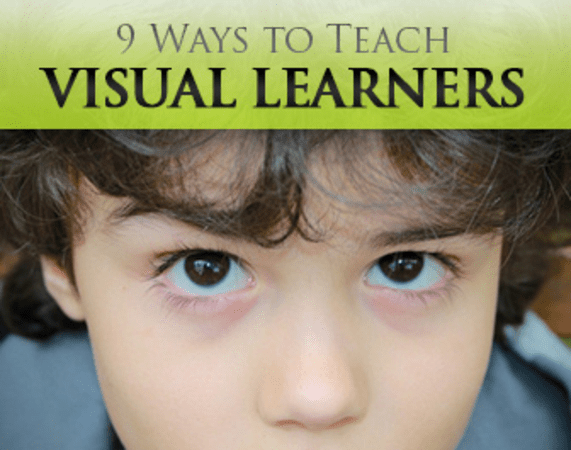
Visual learners are individuals who have a strong preference for learning through visual aids and graphics. They process information better when it is presented in a visual format, such as images, diagrams, charts, or videos. This learning style is quite common and can be found in both children and adults.
One of the main characteristics of visual learners is their ability to absorb and retain information more effectively when it is presented visually. They have a keen eye for detail and can quickly grasp concepts by seeing them visually represented. Visual learners often excel in subjects like art, design, mathematics, science, and geography where visuals play a significant role.
Visual learners thrive in environments that provide them with ample opportunities to engage with visual materials. For example, having access to textbooks or online resources with plenty of diagrams and illustrations greatly enhances their learning experience. In classrooms or homeschooling settings, teachers can use whiteboards or projectors to display visual aids during lessons.
Another advantage of being a visual learner is the ability to create mental images that aid memory retention. By associating information with vivid visuals or creating mind maps and flowcharts depicting relationships between ideas, they reinforce their understanding of the topic at hand. Visual cues also help them recall information more easily during exams or presentations.
However, it’s important to note that not all teaching methods cater well to visual learners’ needs. Traditional educational approaches that heavily rely on auditory instruction may cause these individuals to struggle with comprehension and engagement. To address this issue, alternative schools often adopt multisensory teaching techniques that incorporate visual elements into lessons alongside auditory instructions.
Technology has played an essential role in supporting the education of visual learners. With the rise of digital tools like interactive apps and virtual reality programs designed specifically for educational purposes, students now have access to immersive experiences that enhance their understanding through visuals. These technologies allow students to explore complex concepts through 3D models or simulations tailored for various subjects.
Parents who recognize their child’s preference for visual learning can also incorporate strategies at home to support their education. Creating a study space with ample visual resources, such as educational posters or charts, can stimulate their learning. Encouraging them to use color coding systems, draw diagrams or mind maps, and watch educational videos are additional ways to enhance their understanding and retention of information.
In conclusion, visual learners have a unique way of processing and retaining information that sets them apart from other learning styles. By leveraging visual aids, technology, and alternative teaching methods, educators can create an inclusive environment that benefits all types of learners. Recognizing and catering to the needs of visual learners not only improves their academic performance but also fosters a love for learning that lasts a lifetime.
 Alternative Amie
Leave a comment