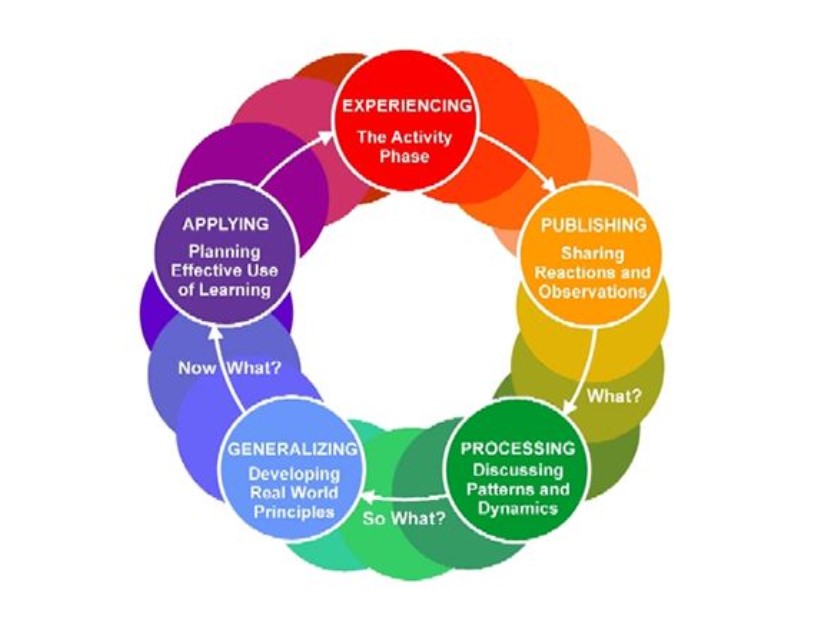
Experiential Learning: Unlocking the Power of Real-World Experiences in Education
In a world where traditional classroom learning often fails to engage and inspire students, experiential learning has emerged as a powerful alternative. This innovative approach to education focuses on hands-on experiences that allow students to actively participate in their own learning journey.
Unlike conventional methods that rely heavily on textbooks and lectures, experiential learning encourages students to step outside the classroom and explore the real world. Whether it’s through field trips, internships, or community projects, this method provides practical opportunities for students to apply theoretical knowledge in meaningful ways.
One of the key benefits of experiential learning is its ability to foster critical thinking skills. By immersing themselves in real-world scenarios, students are pushed to think analytically and solve problems creatively. They develop a deeper understanding of concepts by seeing how they play out in practice rather than just reading about them.
Furthermore, experiential learning promotes collaboration and communication among peers. Students work together on projects, share ideas, and learn from one another’s perspectives. These interactive experiences help build essential social skills and create a supportive environment where everyone can thrive.
Another advantage is that experiential learning motivates students intrinsically by making education more relevant and engaging. When they see firsthand how their studies connect with real-life situations or issues they care about, they become more invested in their own learning process.
Moreover, experiential learning nurtures resilience and adaptability as it exposes learners to unfamiliar environments or challenges outside their comfort zones. By stepping into new territory, they learn to overcome obstacles independently while gaining invaluable life skills along the way.
Ultimately, experiential learning prepares students for success beyond academia by equipping them with practical skills such as problem-solving abilities, effective communication techniques, teamwork strategies – all essential for thriving in today’s rapidly changing world.
As educators embrace this dynamic approach to teaching, more and more schools are integrating experiential learning into their curricula. By shifting the focus from passive absorption to active participation, they empower students to become lifelong learners who can navigate the complexities of the real world with confidence.
 Alternative Amie
Leave a comment