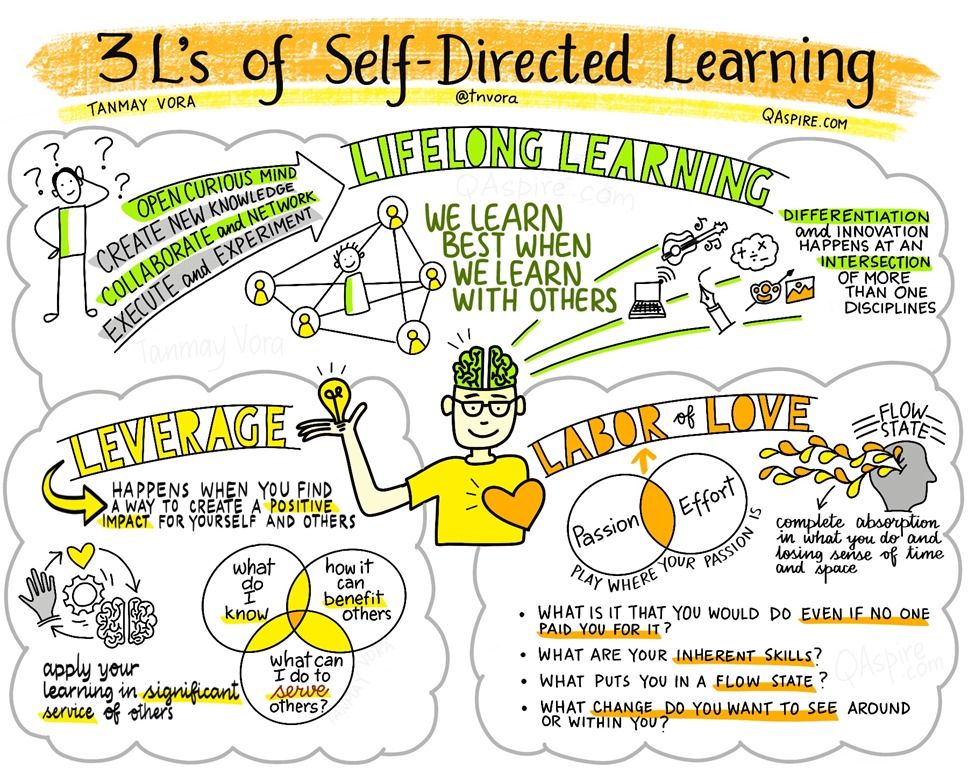
Self-directed education, also known as unschooling or self-paced learning, is a unique approach to education that prioritizes the autonomy and interests of the learner. Unlike traditional schooling methods where students follow a structured curriculum set by an institution, self-directed education allows individuals to take ownership of their learning process.
One of the key principles of self-directed education is that learning happens naturally throughout life. Proponents argue that children are born curious and have an innate desire to explore and understand the world around them. Self-directed learners are encouraged to follow their passions and pursue topics that genuinely interest them. This can lead to deep engagement with subject matter, increased motivation, and a love for lifelong learning.
In a self-directed educational environment, there is no fixed schedule or prescribed curriculum. Instead, learners are given the freedom to decide what they want to learn and when they want to learn it. This flexibility allows individuals to tailor their educational experience according to their unique needs and interests. For example, if a student has a particular fascination with astronomy, they can dedicate more time exploring this field while spending less time on subjects they find less engaging.
Another advantage of self-directed education is its emphasis on experiential learning. Rather than relying solely on textbooks or lectures, learners actively participate in real-world experiences that relate directly to their areas of interest. Whether it’s conducting science experiments at home or interning at local businesses, these hands-on experiences provide valuable opportunities for practical application of knowledge.
Critics often express concerns about whether self-directed education adequately prepares students for higher education or employment opportunities. However, research suggests otherwise. Studies have shown that self-directed learners tend to develop strong critical thinking skills and problem-solving abilities due to their ability to determine what information is most relevant and how best to acquire it.
Furthermore, proponents argue that by allowing individuals the freedom and agency over their own learning journey from an early age promotes independence and adaptability – qualities highly valued in the 21st-century workforce. Self-directed learners often develop strong self-motivation and time management skills, setting them up for success in any field they choose to pursue.
While self-directed education may not be suitable for everyone, it offers a valuable alternative to traditional schooling methods. It places the learner at the center of their educational experience, fostering curiosity, autonomy, and a lifelong love of learning. By allowing individuals to follow their passions and explore subjects that genuinely interest them, self-directed education empowers students to take control of their own education and forge a unique path towards personal growth and fulfillment.
 Alternative Amie
Leave a comment