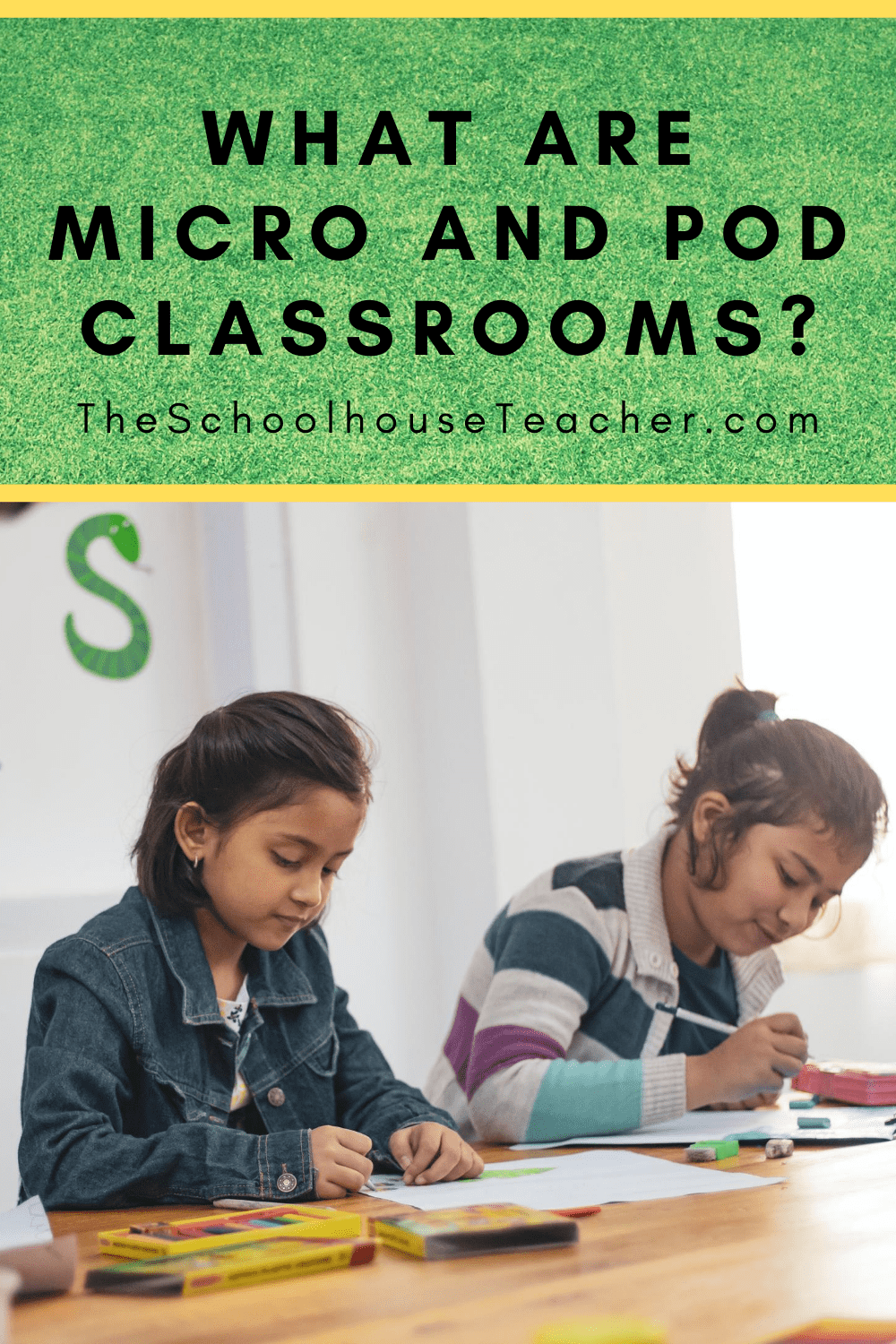
Microschooling for children with special needs
Microschooling has emerged as a promising alternative education option for children with special needs. Traditional schools often struggle to meet the unique educational requirements of these students, leading parents to seek out more personalized and inclusive learning environments.
In microschools, small class sizes allow for individualized attention and tailored instruction. This is particularly beneficial for children with special needs who may require additional support or accommodations. Teachers in microschools are able to create specialized learning plans that address each student’s specific strengths and challenges, ensuring they receive the targeted interventions they need.
Technology plays a crucial role in facilitating microschooling for children with special needs. Assistive technologies such as text-to-speech software, adaptive learning platforms, and communication devices enable students to access curriculum materials and communicate effectively. These tools can be customized to suit each child’s abilities, empowering them to actively participate in their education.
Another key aspect of microschooling is project-based learning (PBL), which promotes hands-on engagement and critical thinking skills. PBL allows students with special needs to explore their interests while developing important academic and social skills. By working on projects individually or collaboratively, students can showcase their talents and build self-confidence in a supportive environment.
In rural communities where resources may be limited, microschools can provide a lifeline for families of children with special needs. These schools offer specialized programs that may not be available elsewhere locally, reducing the need for long commutes or residential placements.
Moreover, microschools foster an inclusive environment by promoting social-emotional learning (SEL). Students learn empathy, cooperation, problem-solving skills, emotional regulation strategies – all essential components of SEL – through daily interactions within diverse classrooms. This helps create an atmosphere where every student feels valued and supported.
One notable advantage of microschools is their ability to accommodate low-income families who might otherwise struggle to afford private schooling or comprehensive support services. Microschools often offer scholarships or sliding fee scales to ensure accessibility for all students, regardless of their financial circumstances. In addition, partnerships with local community organizations and businesses can provide resources and funding to further support these students.
Overall, microschooling has the potential to transform education for children with special needs. By providing individualized instruction, embracing technology, incorporating project-based learning, promoting social-emotional development, and fostering inclusive environments, microschools offer tailored educational experiences that empower students to reach their full potential.
 Alternative Amie
Leave a comment