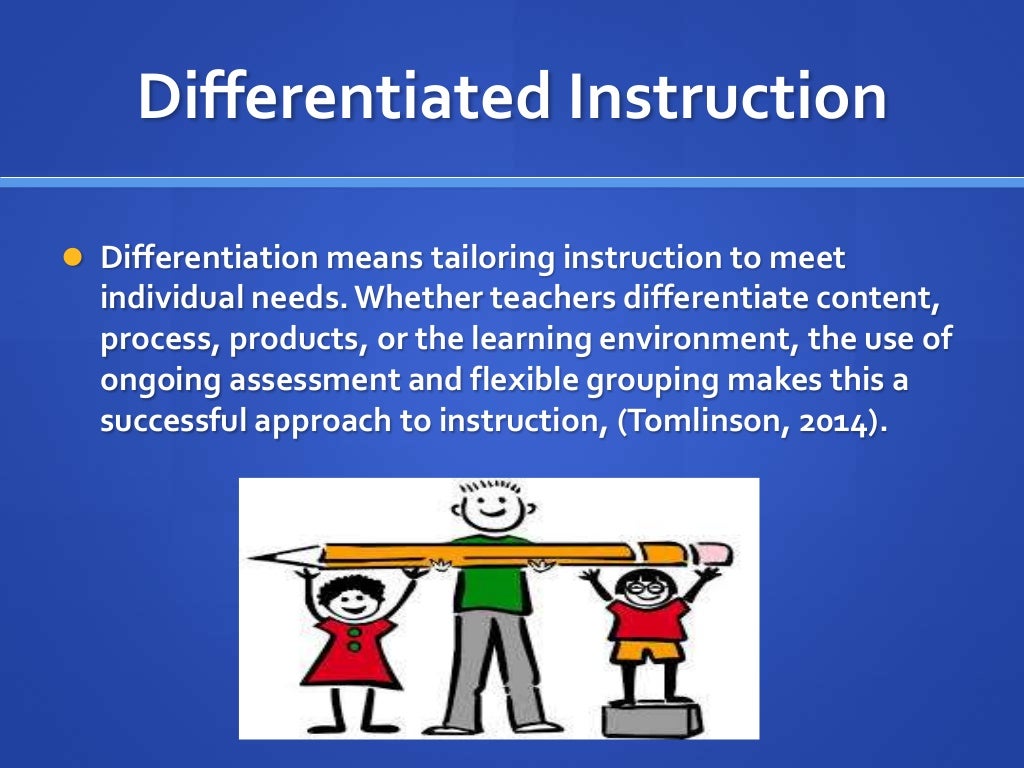
Differentiating Instruction in IEPs: Meeting the Needs of Every Student
Individualized Education Programs (IEPs) are designed to provide specialized support and accommodations for students with disabilities. One crucial aspect of creating effective IEPs is differentiating instruction to meet the unique needs of each student. By tailoring teaching methods, materials, and assessments to suit individual abilities and learning styles, educators can ensure that all students have equal access to education.
In order to differentiate instruction within an IEP, teachers must first assess each student’s strengths, weaknesses, and learning preferences. This information can be gathered through formal assessments, informal observations, and input from parents or guardians. Armed with this knowledge, educators can then adapt their instructional strategies by varying content delivery methods, providing alternative materials or resources, modifying assignments or tasks, or adjusting pacing and complexity levels.
Accommodations and modifications play a vital role in differentiating instruction for students with disabilities within their IEPs. Accommodations refer to changes made in how a student accesses information or demonstrates learning without altering the content itself. Examples include extra time on tests or assignments, preferential seating arrangements, visual aids such as graphic organizers or charts, or the use of assistive technology devices.
Modifications involve altering the content itself while still working towards meeting academic standards. These adjustments may include simplifying text complexity level or shortening assignments for students who struggle with reading comprehension or written expression skills.
Transition planning is another critical component of creating comprehensive IEPs that support students’ long-term success beyond school years. Transition plans outline specific goals related to post-secondary education and career pathways for students approaching high school graduation age. By considering factors such as vocational training programs, internships opportunities within the community, college admissions requirements,and independent living skills development during transition planning meetings,collaborative teams can guide students towards successful transitions into adulthood.
The development of individualized goals and objectives is at the heart of the IEP process. These goals should be specific, measurable, attainable, relevant, and time-bound (SMART). By setting clear objectives that are tailored to each student’s unique needs and abilities, educators can ensure that progress is tracked effectively throughout the year. Regular meetings with parents or guardians can facilitate ongoing communication and ensure that everyone is working towards the same desired outcomes.
Collaborating with parents and guardians in the development of IEPs is essential for creating a holistic support system for students. Parents play a crucial role in providing valuable insights into their child’s strengths, interests,and challenges. Engaging parents as active partners in goal-setting and decision-making fosters trust, increases accountability, and strengthens the overall effectiveness of the IEP.
In conclusion, differentiating instruction within IEPs is a key component of ensuring that all students have equal access to education. By tailoring teaching methods and materials to suit individual needs,tailoring teaching methods to suit individual needs,and incorporating accommodations and modifications where necessary teachers can create an inclusive learning environment where every student can thrive. Transition planning,supporting social-emotional development,addressing executive functioning skills,and fostering independence are just some of the ways that educators can further enhance the effectiveness of IEPs in meeting students’ diverse needs.By prioritizing collaboration between general education teachers ,special education teachers,and other stakeholders involved in developing implementing IEPs,effective strategies can be developed,data-driven decisions made,and personalized learning plans created.Research-based practices,culturally responsive approaches,state-of-the-art assistive technology tools,multisensory techniques must also be considered when designing differentiated assessments addressing specific disabilities such as autism spectrum disorder or sensory processing needs.Art therapy interventions,targeted interventions for specific learning disabilities,self-advocacy skill development,gifted programs within alternative schooling options are additional areas worth exploring when discussing comprehensive support through individualized education plans
 Alternative Amie
Leave a comment