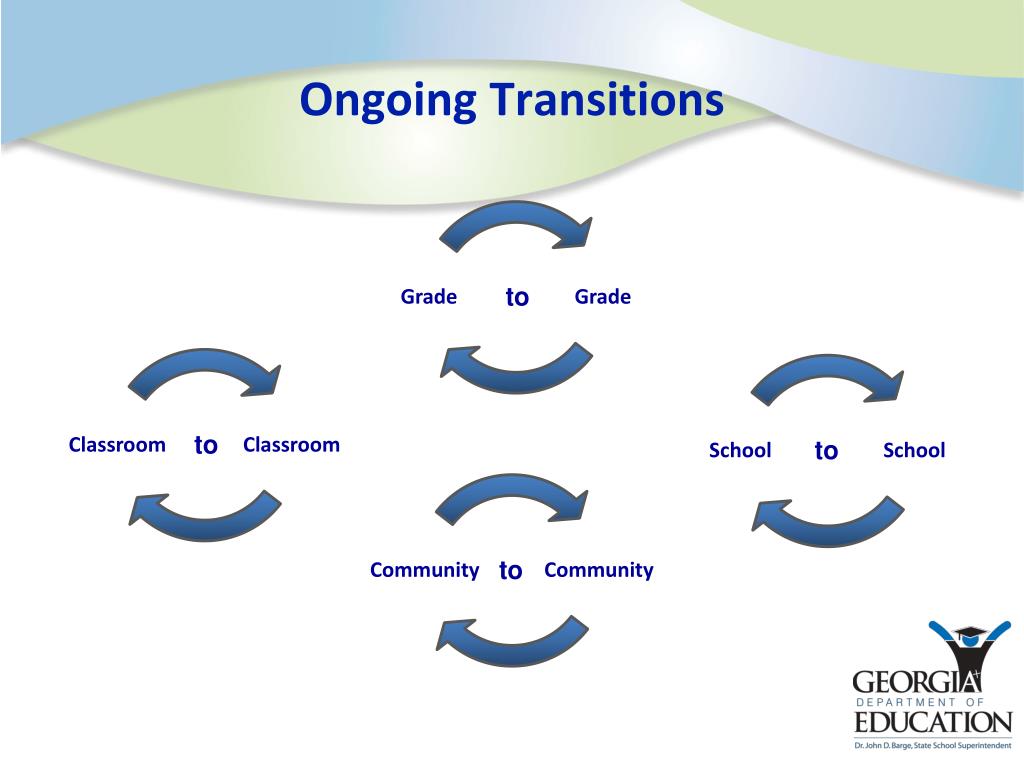
Transition Planning for Students with IEPs
Transition planning is a crucial component of the Individualized Education Program (IEP) process for students with disabilities. The goal of transition planning is to help students successfully move from school to post-secondary education, employment, and independent living. By providing appropriate supports and services, educators can empower students with disabilities to achieve their goals and lead fulfilling lives after graduation.
The Individuals with Disabilities Education Act (IDEA) requires that transition planning begin no later than age 16, although it can start earlier if deemed necessary by the IEP team. It should be a collaborative effort involving the student, parents or guardians, special education teachers, general education teachers, vocational counselors, and other relevant professionals.
During transition planning meetings, the IEP team discusses various aspects related to the student’s future goals. These may include post-secondary education options such as colleges or vocational schools; employment opportunities such as internships or job placements; and independent living skills like managing finances or accessing community resources. The discussions focus on identifying the student’s strengths, preferences, interests, and needs in order to develop specific goals and strategies tailored to their individual circumstances.
Assistive Technology in IEPs
Assistive technology (AT) plays a vital role in supporting students with disabilities in achieving their educational goals outlined in their IEPs. Assistive technology devices are tools or equipment that enhance learning experiences for individuals with disabilities by promoting independence and removing barriers.
For example, a student who has difficulty writing due to physical limitations might benefit from using speech-to-text software or adaptive keyboards. Similarly, a student with visual impairments could benefit from screen readers or magnification software that allows them to access information on computers or other digital devices effectively.
Collaboration Between General Education and Special Education Teachers in IEP Development
Collaboration between general education teachers and special education teachers is essential when developing an effective IEP for students with disabilities. General education teachers provide valuable insights into the student’s academic performance, behavior, and social interactions in the general education setting.
By working together, both teachers can ensure that the student’s individual needs are met within the context of the general education curriculum. Regular communication and collaboration allow for adjustments to be made to instructional strategies, accommodations, and modifications as necessary.
Cultural Considerations in Developing IEPs
Culture plays a significant role in shaping an individual’s identity and experiences. When developing IEPs for students with diverse cultural backgrounds, it is important to consider their unique cultural perspectives and values. Cultural considerations can influence not only how students learn but also how they engage with others and perceive themselves.
It is crucial for educators to establish culturally responsive practices by actively seeking input from students’ families or communities. This may involve involving interpreters or translators if needed, creating materials that reflect diverse cultures, or adapting teaching methods to align with students’ cultural expectations.
Individualized Behavior Plans Within IEPs
For some students with disabilities who exhibit challenging behaviors in school settings, individualized behavior plans (IBPs) may be included as part of their IEPs. These plans outline specific strategies and supports to address problematic behaviors while promoting positive alternatives.
An effective IBP typically includes a functional behavioral assessment (FBA), which identifies the underlying causes of challenging behaviors. Based on this assessment, interventions are designed to teach appropriate replacement behaviors while reducing or eliminating unwanted ones. The plan should include clear goals, measurable objectives, evidence-based strategies for instruction and reinforcement, as well as ongoing monitoring and evaluation procedures.
Inclusive Practices for Students with IEPs
Creating inclusive learning environments is essential for ensuring that all students have equitable access to educational opportunities regardless of their abilities or disabilities. Inclusive practices aim to eliminate barriers that prevent full participation by providing appropriate accommodations and modifications based on each student’s unique needs.
To promote inclusivity within classrooms, teachers can use a variety of strategies. These may include differentiated instruction, which tailors content, processes, and products to meet individual learning needs; cooperative learning, which encourages collaboration and peer support; or universal design for learning (UDL), which provides multiple means of representation, engagement, and expression.
Self-Advocacy Skills for Students with IEPs
Developing self-advocacy skills is crucial for students with disabilities as they transition into adulthood. Self-advocacy empowers students to express their needs, preferences, and goals while actively participating in decisions about their education and future plans.
Educators can support the development of self-advocacy skills by providing opportunities for students to practice speaking up for themselves in various contexts. This might involve teaching them how to articulate their strengths and weaknesses, request accommodations or modifications when needed, or navigate resources and supports available to them in post-secondary settings.
Differentiated Instruction Strategies for Students with IEPs
Differentiated instruction is an instructional approach that recognizes the diverse needs of learners within a classroom. For students with disabilities who have IEPs, differentiated instruction allows teachers to tailor curriculum content, instructional methods, assessment strategies, and classroom environments to accommodate individual learning styles and abilities.
Teachers can differentiate instruction through various strategies such as flexible grouping based on student needs or interests; providing alternative materials or resources at different levels of complexity; offering multiple options for demonstrating understanding; incorporating technology tools that support individualized learning experiences; or modifying assessments according to each student’s abilities.
Co-teaching Models for Implementing IEP Goals
Co-teaching is a collaborative teaching model that involves two educators working together in the same classroom setting. This model allows general education teachers and special education teachers to share responsibilities while implementing IEP goals effectively.
In co-teaching classrooms, both teachers collaborate on planning lessons that align with IEP goals while considering the diverse needs of all students. They may take turns leading instruction, provide additional support or modifications as necessary, and model effective teaching strategies for one another. Co-teaching promotes inclusive practices and fosters a supportive learning environment where students can thrive.
Parent Involvement in the IEP Process
Parents or guardians play a vital role in the development and implementation of their child’s IEP. Their input is valuable in understanding the student’s strengths, challenges, preferences, and goals outside of the school setting. Collaboration between parents and educators ensures that the IEP reflects the student’s individual needs comprehensively.
Educators should actively involve parents throughout all stages of the IEP process by inviting them to meetings and encouraging open communication. Parents can contribute by sharing information about their child’s progress at home, providing insights into their unique abilities or challenges, suggesting appropriate accommodations or modifications based on their observations, and advocating for their child’s best interests.
Social-Emotional Support in IEPs
Addressing social-emotional needs is essential for students with disabilities to succeed academically and develop healthy relationships with peers. Including social-emotional goals within an IEP helps ensure that students receive targeted interventions that promote self-awareness, self-regulation, social skills development, resilience building, and emotional well-being.
Supporting students’ social-emotional needs may involve incorporating counseling services or therapeutic interventions into their educational plans. Additionally, teachers can use evidence-based strategies such as implementing positive behavior supports (PBS), teaching conflict resolution techniques, promoting empathy through cooperative activities or service-learning projects.
Post-Secondary Options and Transition Services for Students with IEPs
Preparing students with disabilities for post-secondary education options requires careful planning to ensure a smooth transition from high school to college or vocational training programs. Transition services outlined in a student’s IEP aim to facilitate this process by providing guidance on career exploration opportunities; assistance with college applications; connections to community resources; internships or work experience placements; independent living skills training; and support for accessing necessary accommodations or services in post-secondary settings.
Educators, vocational counselors, and other professionals collaborate to develop transition plans tailored to students’ interests, strengths, and aspirations. These plans help students navigate the complex process of transitioning into adulthood while promoting independence and self-determination.
Personalized Learning Plans within the Context of an IEP
Personalized learning plans (PLPs) are individualized education plans that go beyond standard curriculum expectations to address a student’s unique learning needs and goals. PLPs provide a framework for tailoring instructional strategies, resources, assessments, and supports based on each student’s abilities, interests, and preferences.
When developing PLPs within the context of an IEP, educators collaborate with students to identify their learning styles and strengths as well as areas where additional support may be required. The plan outlines specific objectives aligned with state standards or graduation requirements while incorporating adaptations or modifications that facilitate meaningful learning experiences for each student.
Addressing Executive Functioning Skills in IEP Goals and Accommodations
Executive functioning skills refer to cognitive processes that enable individuals to plan, organize, prioritize tasks efficiently, manage time effectively, regulate emotions, initiate actions independently. For students with disabilities who struggle with executive functioning skills such as those with ADHD or autism spectrum disorders (ASD), addressing these skills explicitly in their IEP goals can greatly support their academic success.
IEP goals related to executive functioning might include improving organizational strategies like using checklists or visual schedules; developing time management techniques through guided practice; enhancing problem-solving abilities by breaking tasks down into manageable steps; practicing self-regulation strategies like deep breathing exercises or sensory breaks when feeling overwhelmed.
Accommodations may also be recommended such as providing visual cues for task completion; offering preferential seating arrangements near distractions minimized; allowing extended time for assignments or tests when needed; breaking long-term projects into smaller segments with clear deadlines.
Universal Design for Learning (UDL) Principles in Individualizing Education Plans
Universal Design for Learning (UDL) is an instructional approach that emphasizes creating flexible learning environments to accommodate the diverse needs of all students, including those with disabilities. UDL principles can be integrated into individualized education plans to ensure equitable access to educational opportunities and support meaningful engagement.
The UDL framework consists of three core principles: providing multiple means of representation, offering multiple means of action and expression, and allowing multiple means of engagement. These principles guide educators in designing instruction that addresses different learning styles, preferences, abilities while minimizing barriers to learning.
By incorporating UDL strategies into IEPs, educators can provide students with options for how they access information; demonstrate their understanding or mastery; and engage meaningfully with content. This promotes independence, self-advocacy skills development while fostering a positive classroom climate where diversity is valued.
Trauma-Informed Approaches to Supporting Students with IEPs
Many students with disabilities may have experienced trauma in their lives that impacts their ability to learn and thrive academically. Trauma-informed approaches within the context of IEPs recognize the potential impact of trauma on a student’s emotional well-being, behavior patterns, relationships with others.
Educators who adopt trauma-informed practices create safe spaces where students feel supported and understood. They prioritize building trusting relationships by demonstrating empathy, active listening skills; using non-punitive discipline strategies; offering choices whenever possible; integrating social-emotional supports like counseling services or mindfulness activities into daily routines.
Collaborative Problem-Solving Techniques in the Development of Student Goals
Developing student goals within an IEP involves collaborative problem-solving among educators, parents/guardians to identify areas requiring improvement or intervention effectively. Collaborative problem-solving techniques promote open communication between stakeholders while considering diverse perspectives and expertise.
One such technique is called “the problem-solving process,” which includes defining concerns or challenges clearly; gathering relevant information through assessment, observation, or consultation; brainstorming potential solutions or strategies; evaluating the feasibility and effectiveness of each option while considering student needs, preferences, resources available.
Another technique is “functional behavior assessment (FBA),” which aims to understand the underlying causes or function of challenging behaviors. Through FBA, educators identify triggers that lead to problematic behaviors and develop interventions that address those triggers directly.
Supporting English Language Learners through Individualized Education Plans
For students with disabilities who are also English language learners (ELLs), developing individualized education plans requires additional considerations to address both their unique language needs and their specific learning challenges. Collaborative efforts among ESL specialists, special education teachers, general education teachers can help provide appropriate support for these students.
IEPs for ELLs must incorporate accommodations/modifications that promote understanding of content while also addressing language development goals. This might include providing translated materials or bilingual support; using visual aids, gestures to enhance comprehension; offering modified assignments/tasks based on linguistic proficiency levels.
Incorporating Career Exploration and Vocational Training into the IEP Process
Preparing students with disabilities for future employment opportunities is a crucial aspect of transition planning within IEPs. Career exploration allows students to explore various job options aligned with their interests and abilities while vocational training equips them with relevant skills needed in specific industries or occupations.
IEP teams collaborate with vocational counselors, career specialists to identify suitable career pathways based on students’ strengths/preferences. They provide guidance on accessing work-based learning experiences such as internships/apprenticeships; facilitate connections between schools/community agencies offering vocational training programs/resources; assist in developing reasonable accommodations/adaptations needed for successful participation in workplace environments.
Utilizing Assistive Communication Devices and Strategies within an Individualized Education Plan
Assistive communication devices and strategies are essential tools for individuals who have difficulty expressing themselves verbally due to speech impairments or other communication disorders. Within an individualized education plan, assistive communication devices and strategies are implemented to support students in developing effective communication skills.
Assistive communication devices may include augmentative and alternative communication (AAC) tools such as speech-generating devices, picture exchange systems, or sign language. Strategies like visual supports (e.g., schedules, social stories), simplified language models, or peer-assisted techniques can also be incorporated into the IEP to enhance the student’s ability to communicate and interact effectively with peers and educators.
In conclusion, individualized education plans (IEPs) play a critical role in providing appropriate supports and services for students with disabilities. Transition planning, assistive technology integration, collaboration between general education and special education teachers, cultural considerations, inclusive practices, self-advocacy skills development are some of the key areas that need attention when developing an effective IEP. Additionally, addressing behavior management strategies within IEPs along with differentiating instruction strategies using co-teaching models further enhances the effectiveness of these plans. Lastly, involving parents in the process while incorporating social-emotional support measures ensures holistic development for students with IEPs.
 Alternative Amie
Leave a comment