Laser Cutting: Unlocking Creativity and Innovation in Alternative Education
Introduction:
In the world of alternative schooling and education, there is a constant search for innovative tools and techniques that can engage students, nurture their creativity, and promote hands-on learning. One such tool that has gained popularity in recent years is laser cutting. Laser cutting technology offers a unique blend of precision, versatility, and artistic expression that opens up new avenues for exploration and discovery. In this article, we will delve into the world of laser cutting in alternative education settings and explore how it can transform traditional classrooms into hubs of creativity.
What is Laser Cutting?
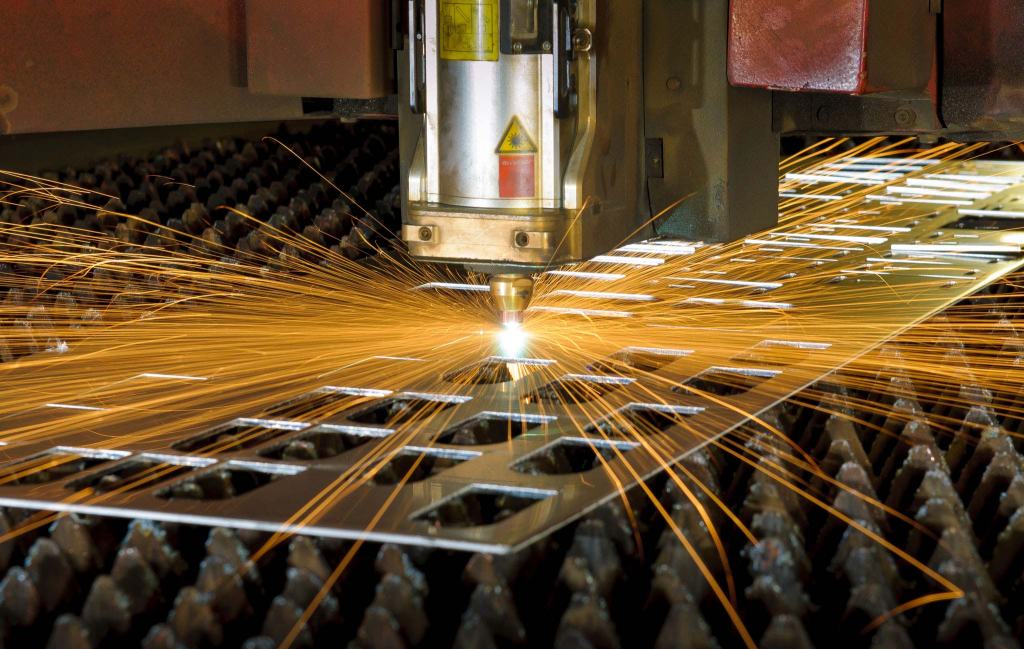
Laser cutting involves using a high-powered laser to cut or engrave materials with exceptional precision. The process utilizes computer-controlled software to guide the laser beam along the desired path on various materials such as wood, acrylic, fabric, paper, metal, or even glass. This precise control allows for intricate designs to be created with ease.
The Benefits of Laser Cutting in Alternative Education:
1. Fostering Creativity:
One of the primary advantages of incorporating laser cutting into alternative education is its ability to foster creativity among students. By providing them with access to this technology, students can explore their imaginations freely without being constrained by traditional art supplies or tools. They can design intricate patterns or create custom shapes that were once unimaginable.
Additionally, laser cutting allows students to experiment with different materials while encouraging problem-solving skills as they learn how different materials react under the intense heat generated by lasers. This experimentation stimulates critical thinking and encourages students to approach challenges from multiple angles.
2. Hands-On Learning:
Alternative education emphasizes experiential learning over rote memorization; thus incorporating hands-on activities plays a vital role in engaging students effectively. Laser cutting provides an excellent opportunity for practical application across various subjects.
For instance, science classes can use laser-cut models to demonstrate complex concepts like molecular structures or geological formations more visually engaging. In history classes, students can recreate historical artifacts or architectural landmarks using laser cutting technology, enhancing their understanding and connection to the past.
Additionally, engineering and design courses can benefit greatly from laser cutting as it allows students to bring their ideas to life by prototyping intricate models with ease. This hands-on approach encourages collaboration, problem-solving, and critical thinking skills.
3. Encouraging Entrepreneurship:
Alternative education often emphasizes entrepreneurship and real-world applications of knowledge. By introducing laser cutting technology in schools, educators can help students develop an entrepreneurial mindset from an early age.
Laser cutters are widely used in various industries such as jewelry making, fashion design, architecture, product development, and more. By learning how to use this tool effectively during their schooling years, students gain valuable skills that can be applied directly in the job market or even inspire them to start their own businesses.
Moreover, laser cutting enables small-scale production at a relatively low cost compared to traditional manufacturing methods. This affordability empowers students to explore entrepreneurship without significant financial barriers.
4. Enhancing Design Thinking Skills:
Design thinking is a problem-solving approach that emphasizes empathy towards users’ needs while fostering innovation and creativity. Laser cutting aligns perfectly with this methodology by enabling students to prototype designs rapidly and iterate on them based on user feedback.
By incorporating laser cutting into alternative education curricula, educators can guide students through the entire design process – from ideation to creation – allowing them ample opportunity for experimentation and refinement along the way. This iterative approach nurtures resilience and adaptability while instilling a sense of ownership over the creative process.
Implementation Considerations:
While integrating laser cutting into alternative education settings offers numerous benefits for both educators and learners alike; certain considerations should be taken into account:
1. Safety Measures:
Laser cutters emit high-powered lasers that require careful handling due to potential hazards associated with direct exposure or misuse. Therefore, proper safety measures must be implemented, and students should undergo adequate training to ensure responsible usage.
2. Accessibility:
Laser cutting technology can be costly initially, making it challenging for some alternative education settings to afford. However, with the availability of more affordable desktop-sized laser cutters in recent years, this barrier has been significantly reduced. Schools may also consider seeking grants or partnerships with local organizations to acquire the necessary equipment.
3. Curriculum Integration:
Integrating laser cutting into existing curricula requires careful planning and collaboration among educators across various subjects. By aligning projects that utilize laser cutting with relevant learning outcomes from different disciplines, schools can maximize the impact on student learning while ensuring a cohesive educational experience.
Conclusion:
Incorporating laser cutting technology into alternative education settings presents a myriad of opportunities for nurturing creativity, fostering hands-on learning experiences, promoting entrepreneurship, and enhancing design thinking skills among students. By leveraging this innovative tool effectively and responsibly, educators can unlock new dimensions of engagement and empower learners to become critical thinkers and problem solvers in an ever-evolving world.
 Alternative Amie
Leave a comment