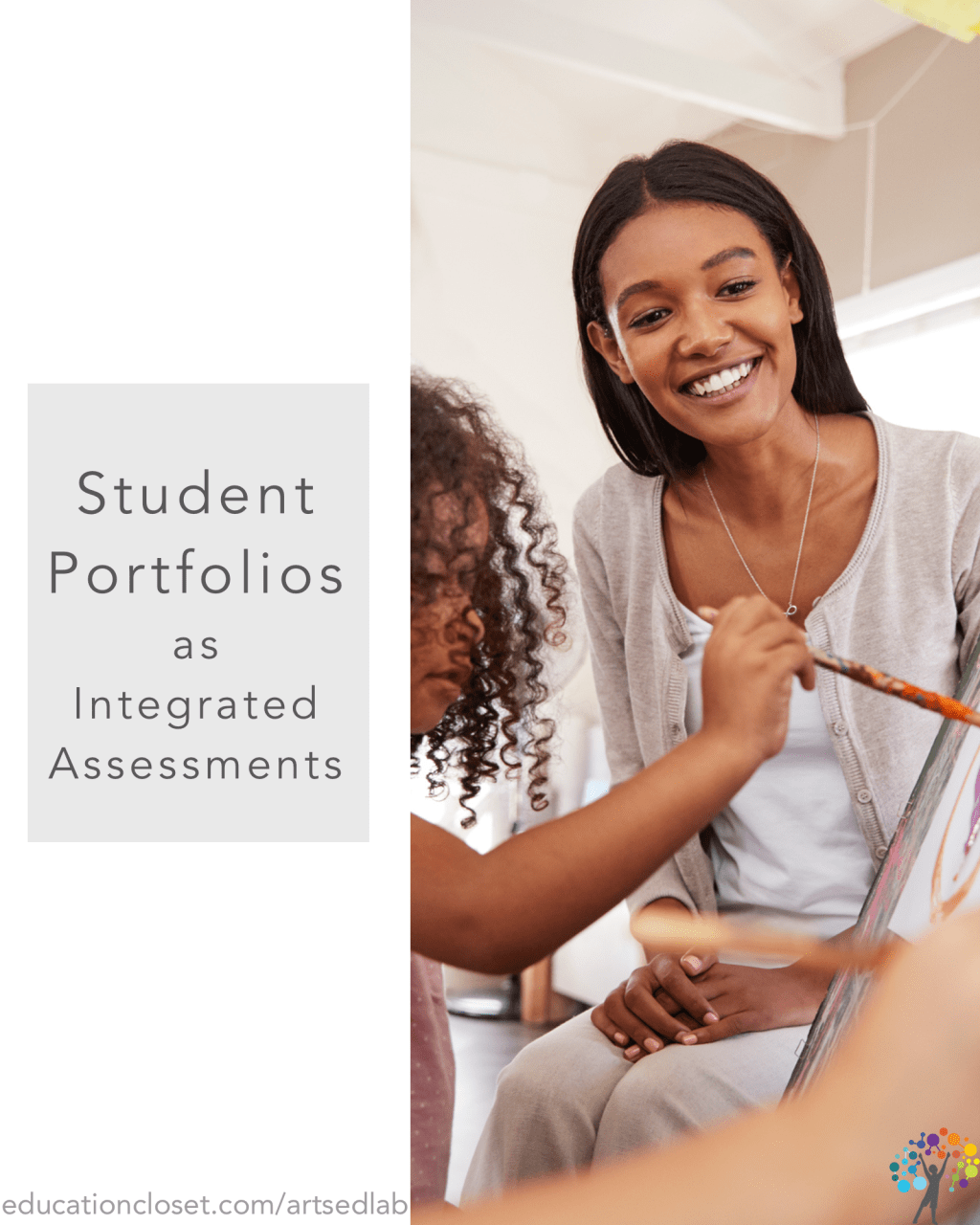
Assessing Creativity Through Portfolios
In the realm of education, creativity is a highly valued skill that allows individuals to think outside the box, solve problems innovatively, and express themselves authentically. As traditional schooling tends to focus on standardized testing and rote memorization, alternative forms of education have emerged as platforms for nurturing creativity in students. One such method used by alternative schools is assessing creativity through portfolios.
A portfolio is a purposeful collection of a student’s work that showcases their growth, abilities, and accomplishments over time. It serves as evidence of their creative thinking, effort, and dedication to various projects and assignments. Portfolios provide a comprehensive view of an individual’s progress in different subject areas while highlighting their strengths and areas for improvement.
Unlike conventional grading systems that often reduce learning to numerical values or letter grades, portfolios offer a holistic approach to assessment. They allow educators to evaluate students based on multiple dimensions rather than solely relying on test scores or isolated assignments. By examining the diverse pieces within a portfolio, teachers gain insight into each student’s unique thought processes and creative outputs.
One significant advantage of using portfolios as an assessment tool lies in its ability to capture the multifaceted nature of creativity. Traditional assessments tend to narrowly define creativity within specific domains or limit it to artistic endeavors only. However, true creativity knows no boundaries; it can manifest itself in problem-solving skills across disciplines like mathematics or science.
Through portfolios, educators can witness how students apply creative thinking methods in various contexts. For example, an English composition may demonstrate originality in storytelling techniques or experimentation with language use. In contrast, a physics project could exhibit innovative design concepts or unconventional approaches towards solving scientific problems.
Moreover, portfolios enable students themselves to reflect on their own growth as creative individuals throughout their educational journey. By revisiting earlier works alongside more recent ones within their portfolio compilation process, learners are encouraged to assess their progress objectively—identifying areas where they have excelled and areas that require further development. This self-reflection fosters metacognition, allowing students to become actively engaged in their own learning process.
Assessing creativity through portfolios also encourages a shift towards more authentic assessments. Traditional testing methods often fail to capture the true essence of a student’s capabilities or potential due to its emphasis on memorization and regurgitation of facts. Portfolios, on the other hand, allow students to showcase their skills through real-life applications and projects that reflect the complexities of the modern world.
For instance, instead of assessing a student’s understanding of history solely based on multiple-choice questions, portfolios may include research papers analyzing historical events or creative interpretations such as short films or artwork inspired by specific time periods. By integrating different mediums into portfolio assessments, schools can better align with real-world expectations where individuals are required to think creatively and solve problems using various tools at their disposal.
Furthermore, portfolios promote personalized learning experiences tailored to each student’s interests and strengths. As alternative schooling emphasizes individualized education plans (IEPs) that nurture personal growth rather than conformity, portfolios serve as an ideal medium for capturing diverse talents and passions.
By offering choice within assignments or projects incorporated into a portfolio, educators can tap into each learner’s unique interests while still meeting educational objectives. For example, if two students are studying environmental science but possess different talents—one excelling in writing while the other is skilled in photography—their respective portfolios could feature an essay discussing climate change impacts alongside a photojournalistic series depicting environmental issues.
In this manner, not only does assessing creativity through portfolios accommodate individual differences among learners but it also acknowledges that there isn’t one “correct” way to demonstrate creative thinking. Instead of expecting all students to fit into predetermined molds or conforming to standardized criteria for assessment purposes alone, portfolios celebrate diversity by honoring each student’s distinctive abilities.
However, implementing portfolio-based assessment practices comes with its own set of challenges. One of the primary concerns is ensuring consistency in evaluation across different educators or institutions. As portfolios bring a multitude of creative outputs, assessing them requires clear criteria and rubrics that establish common standards for evaluating creativity.
Developing such assessment frameworks demands collaboration among teachers, administrators, and even students themselves. By establishing shared understandings of what constitutes creativity within specific subjects or grade levels, educators can provide consistent feedback that acknowledges both individuality and academic rigor.
Additionally, the process of compiling portfolios should be structured to encourage reflection and growth rather than merely serving as a means to an end. Students need guidance on curating their work effectively, selecting pieces that showcase their strengths while aligning with learning objectives. Teachers can facilitate this process through regular conferences or checkpoints where they provide constructive feedback to help students refine their portfolio selections.
Lastly, it is important not to overlook the potential bias inherent in any form of assessment—portfolios included. Educators must remain vigilant in recognizing and addressing biases that may arise during the evaluation process. This involves building awareness around cultural influences on notions of creativity and ensuring equitable practices when evaluating diverse student populations.
In conclusion, assessing creativity through portfolios offers numerous benefits over traditional assessments in alternative schooling environments. Portfolios capture the multidimensionality of creativity by allowing students to demonstrate their innovative thinking across various subjects and projects. They promote authentic assessments that mirror real-world expectations while fostering personalized learning experiences tailored to each student’s unique talents and interests.
However, implementing portfolio-based assessments requires careful consideration regarding consistency in evaluation methods, creating clear assessment criteria collaboratively, supporting students’ reflective processes throughout portfolio development stages, and addressing potential biases present within evaluative practices.
By embracing portfolios as a holistic tool for assessing creativity in education settings, schools can nurture individuals who are not only academically proficient but also possess the essential skills needed to thrive creatively in an ever-evolving world.
 Alternative Amie
Leave a comment