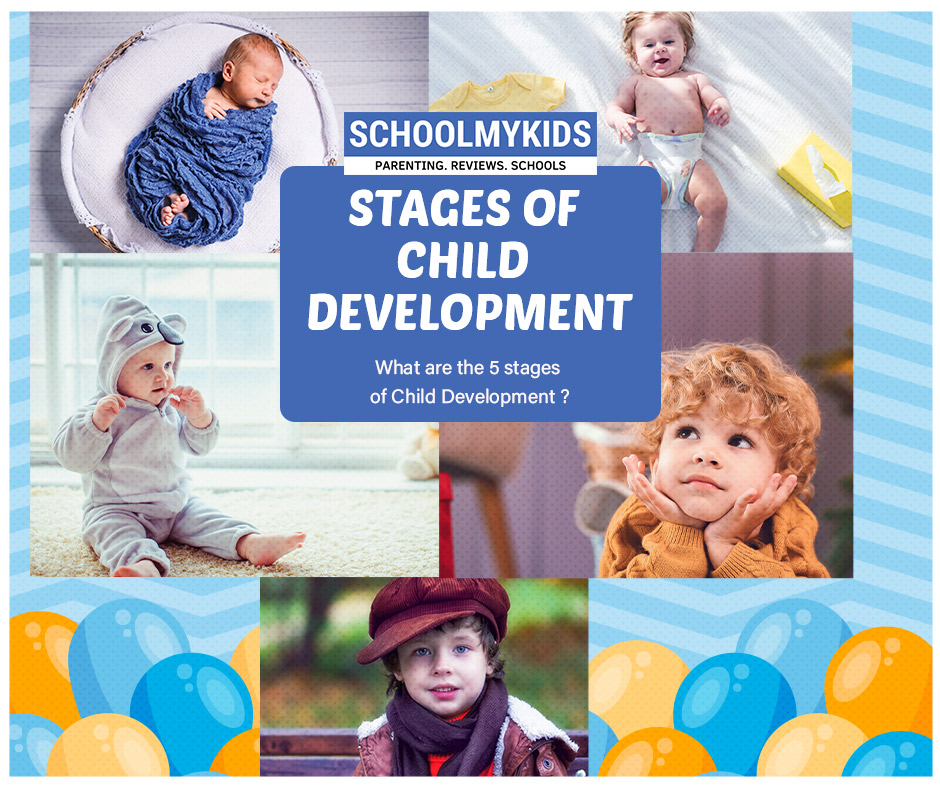
Developmental Stages: Understanding the Journey of Child Growth and Learning
Introduction:
As parents, educators, or anyone involved in a child’s life, understanding developmental stages is crucial. Each child goes through different phases of growth and learning at their own pace. By gaining knowledge about these stages, we can provide appropriate support and guidance to help children thrive. In this article, we will explore the various developmental stages from infancy to adolescence.
Infancy (0-2 years):
The first stage of development begins at birth and continues until around two years old. During this period, infants experience rapid physical growth as they learn to move their bodies and develop fine motor skills like grasping objects.
Cognitive development during infancy involves sensory exploration as babies begin to understand cause-and-effect relationships. They start recognizing familiar faces and objects while exploring the world through touch, taste, sight, smell, and sound.
Language development is another important aspect during this stage. Babies begin by cooing and babbling before eventually uttering their first words around 12 months old. Simple gestures such as waving bye-bye also emerge during this time.
Emotional development centers on forming attachments with primary caregivers. Infants seek comfort from trusted adults when feeling distressed or scared. Establishing secure bonds contributes significantly to emotional well-being later in life.
Toddlerhood (2-3 years):
Between ages two and three, toddlers enter a phase marked by increasing independence coupled with language explosion. They become more mobile as they learn to walk steadily without support.
Cognitive abilities expand rapidly during toddlerhood as children engage in pretend play that helps them make sense of the world around them. They imitate adult behaviors while developing problem-solving skills through trial-and-error experiments.
Language acquisition progresses further with toddlers stringing together short sentences and using pronouns correctly. Vocabulary expands rapidly as they absorb new words like sponges.
Social-emotional development involves an emerging sense of self-awareness and the ability to regulate emotions. Toddlers learn to express their feelings, although tantrums may occur when they struggle with frustration or anger.
Preschool (3-5 years):
The preschool stage covers ages three to five and is a critical period for cognitive, language, social, and emotional development. Children refine their motor skills through activities like drawing, cutting shapes, building blocks, and dressing themselves.
Cognitive development during this stage includes pre-reading and pre-writing skills. Preschoolers develop an understanding of numbers, letters, colors, shapes while engaging in imaginative play that enhances creativity.
Language acquisition progresses rapidly as children acquire new vocabulary at an impressive rate. They engage in conversations using complete sentences while expressing thoughts and feelings more clearly.
Socially, preschoolers begin interacting with peers more frequently. They learn to share toys, take turns during playtime activities, and cooperate in group settings. Friendships start forming as children navigate complex social dynamics.
Emotionally, preschoolers become more empathetic towards others’ feelings while developing a sense of right versus wrong. They begin understanding basic moral concepts like honesty and fairness.
Elementary School (6-11 years):
During elementary school years (ages six to eleven), children experience significant growth academically, socially, and emotionally. Physical growth becomes steadier as fine motor skills improve for tasks such as writing neatly or tying shoelaces independently.
Cognitive abilities expand further through formal education. Reading fluency improves significantly while math skills advance from simple arithmetic to more complex problem-solving techniques.
Socially, peer relationships gain importance as children spend increasing amounts of time together at school. They form friendships based on shared interests and engage in cooperative learning experiences within classrooms.
Emotional development involves self-regulation as children learn how to manage various emotions effectively. Building resilience becomes essential as they face challenges both inside the classroom and outside in their personal lives.
Adolescence (12-18 years):
Adolescence, the transitional stage between childhood and adulthood, brings about significant physical and emotional changes. Puberty marks the onset of rapid physical growth as secondary sexual characteristics develop.
Cognitive development during adolescence includes enhanced critical thinking skills and abstract reasoning abilities. Teenagers become capable of understanding complex concepts and engaging in more advanced problem-solving.
Socially, peer relationships continue to evolve with an increased focus on forming deeper connections. Adolescents seek independence from their families while relying heavily on friendships for support and validation.
Emotional development involves navigating a rollercoaster of emotions due to hormonal changes. Teens often grapple with identity formation, questioning their beliefs and values while striving for autonomy.
Conclusion:
Understanding developmental stages is crucial for parents, educators, and anyone involved in children’s lives. By recognizing the unique qualities of each stage, we can provide appropriate support that fosters growth and learning. From infancy through adolescence, every child embarks on a remarkable journey that shapes their future selves. Embracing this journey with empathy, patience, and guidance ensures that children reach their full potential in all aspects of life.
 Alternative Amie
Leave a comment