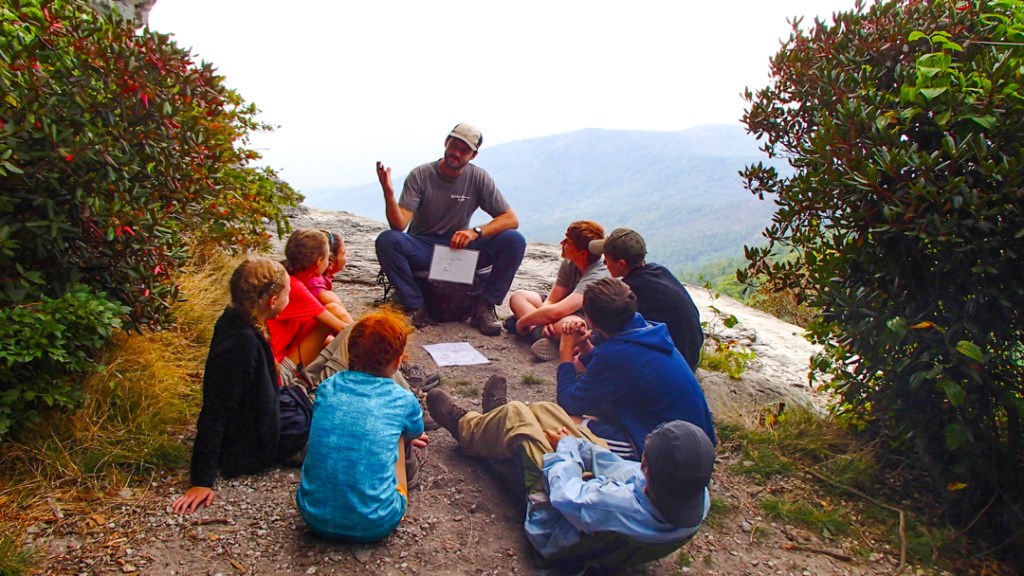
Outdoor Education: Unlocking the Potential of Alternative Schooling
In recent years, there has been a growing interest in alternative schooling and education methods. Parents and educators alike are searching for ways to provide a more holistic and experiential learning experience for children. One approach that is gaining popularity is outdoor education.
Outdoor education refers to any form of learning that takes place outside of traditional classroom settings. It involves engaging students in activities that connect them with nature, such as hiking, camping, gardening, or even wildlife observation. This hands-on approach not only enhances academic knowledge but also fosters personal growth and development.
One of the key benefits of outdoor education is its ability to stimulate curiosity and creativity. When children explore the natural world around them, they encounter endless opportunities for discovery. Whether it’s identifying different plant species or observing animal behavior, these experiences encourage critical thinking skills and problem-solving abilities.
Furthermore, outdoor education helps foster a sense of environmental stewardship among students. By immersing themselves in nature, children develop a deep appreciation for their surroundings and learn about the importance of preserving our planet. This awareness instills values such as sustainability and biodiversity conservation from an early age.
Additionally, outdoor education promotes physical health and well-being. Instead of being confined within four walls all day long, students get to breathe fresh air, engage in physical activities like hiking or biking while improving their fitness levels simultaneously. Regular exposure to nature has proven benefits on mental health too; it reduces stress levels, improves mood & focus which ultimately leads to better overall performance academically.
Moreover, outdoor education encourages teamwork and collaboration skills as students work together towards common goals during group activities or challenges outdoors. They learn how to communicate effectively listen actively ensuring everyone’s voice gets heard when making decisions collectively – valuable life skills that extend beyond just academics.
Outdoor education can be integrated into various subjects like science (studying ecosystems), history (visiting historical sites), art (drawing or painting landscapes), and even mathematics (measuring distances). This interdisciplinary approach enhances students’ understanding of concepts and makes learning more engaging and relevant.
In conclusion, outdoor education provides a myriad of benefits for alternative schooling. It not only enriches academic knowledge but also nurtures personal growth, environmental consciousness, physical health, teamwork abilities, and interdisciplinary learning. By incorporating outdoor education into their curriculum, schools can offer a transformative educational experience that empowers students to become well-rounded individuals ready to tackle the challenges of the future.
 Alternative Amie
Leave a comment