Volunteering at Local Farms or Animal Shelters: A Rewarding Experience for Alternative Schooling and Education
Introduction
Alternative schooling and education approaches emphasize hands-on learning experiences that go beyond traditional classroom settings. One enriching way to foster this type of education is through volunteering at local farms or animal shelters. These opportunities not only provide valuable practical skills, but also instill a sense of responsibility, empathy, and environmental awareness in students. In this article, we will explore the benefits of volunteering at these establishments and discuss how it aligns with alternative schooling philosophies.
1. Connecting with Nature
One of the primary reasons why volunteering at local farms or animal shelters is beneficial for alternative schooling is the opportunity it provides to connect with nature. Many children today spend most of their time indoors, glued to screens and detached from the natural world around them. Volunteering allows them to break free from this technological dependency while immersing themselves in nature’s wonders.
Working on a farm exposes students to various aspects of agriculture such as planting seeds, tending crops, caring for livestock, and understanding sustainable farming practices. This hands-on experience fosters an appreciation for where our food comes from while promoting eco-consciousness – an essential component of alternative education.
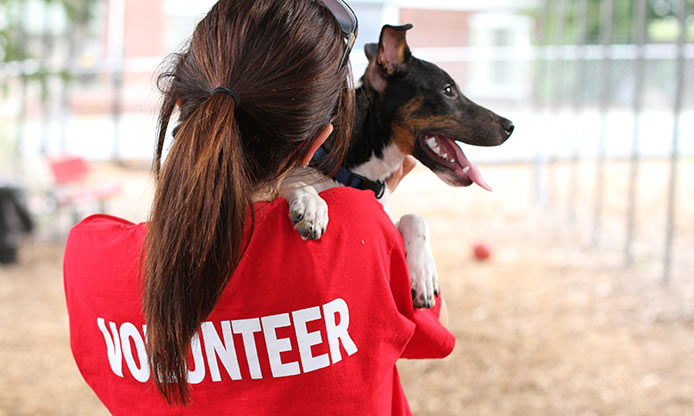
Similarly, volunteering at animal shelters enables students to interact with animals they might not encounter regularly in their urban or suburban environments. They can assist in feeding, grooming, exercising pets, and even participate in adoption events – all activities that promote compassion towards animals.
2. Developing Practical Skills
Volunteering offers a unique opportunity for students to acquire practical skills that are often overlooked within traditional educational frameworks. By engaging in farm work or assisting at animal shelters, participants develop a diverse set of abilities applicable both on-site and beyond:
a) Responsibility: Taking care of plants or animals requires dedication and reliability; volunteers must commit to regular shifts and perform tasks diligently.
b) Time management: Students learn to balance their volunteering commitments with other responsibilities, such as schoolwork or extracurricular activities.
c) Problem-solving: Farms and animal shelters present unexpected challenges that require volunteers to think on their feet and find creative solutions.
d) Teamwork: Collaborating with other volunteers fosters teamwork skills, teaching students the importance of communication and cooperation.
These practical skills are valuable life lessons that cannot be learned solely through textbooks or lectures. Volunteering ensures a well-rounded education that prepares students for future endeavors.
3. Promoting Empathy and Social Skills
Alternative schooling emphasizes the development of social-emotional intelligence alongside academic growth. Volunteering at local farms or animal shelters is an excellent way to nurture empathy, compassion, and interpersonal skills in students.
Interacting with animals helps foster empathy as children learn to understand their needs, emotions, and non-verbal cues. This understanding extends beyond the animals themselves; it also enhances empathy towards fellow human beings. Through observation and hands-on experiences, students begin to recognize how kindness affects both animals and people alike.
Volunteering also offers opportunities for meaningful social interactions. At farm co-ops or animal shelters, individuals from diverse backgrounds come together united by a shared passion for nature or animals. Students get the chance to build relationships with like-minded peers who share similar values while fostering a sense of community involvement.
4. Fostering Environmental Awareness
Educating children about environmental issues is crucial in today’s world where climate change poses significant threats globally. Volunteering at local farms can help raise awareness about sustainable farming practices such as organic techniques, permaculture principles, composting systems, etc.
By engaging in these environmentally friendly practices firsthand, students gain insight into how they can contribute positively towards addressing ecological challenges within their own communities. They develop an appreciation for biodiversity conservation while learning about natural cycles and ecosystems.
Additionally, volunteering provides opportunities for educators to discuss broader environmental topics during reflection sessions. Conversations about climate change, pollution, and habitat destruction can be initiated, allowing students to deepen their understanding of these critical issues.
Conclusion
Volunteering at local farms or animal shelters offers invaluable opportunities for alternative schooling and education. It connects students with nature, develops practical skills, promotes empathy and social skills, and fosters environmental awareness. By engaging in these experiences, students gain a deeper understanding of the world around them while cultivating a sense of responsibility towards both animals and the environment. As educators and parents seek out alternative educational approaches that prioritize holistic development, volunteering at local farms or animal shelters stands as an enriching option worth considering.
 Alternative Amie
Leave a comment