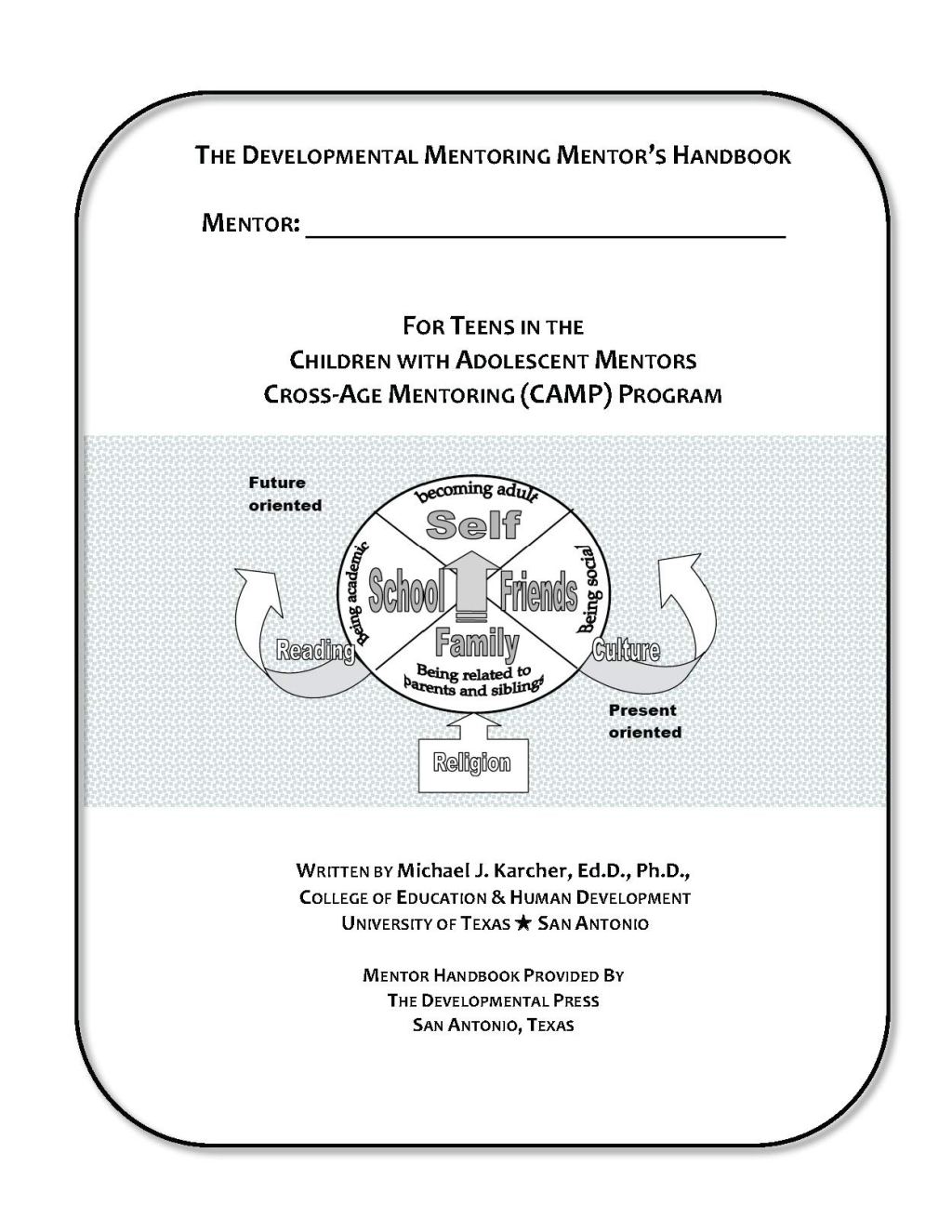
Cross-age mentoring is a unique and effective approach to education that has gained popularity in alternative schooling and education settings. It involves pairing students from different age groups, where older students act as mentors to younger ones. This practice not only enhances academic learning but also promotes social and emotional development among both the mentors and mentees.
One of the key advantages of cross-age mentoring is that it allows for personalized learning experiences. Younger students can benefit greatly from one-on-one attention and guidance provided by their older peers. The mentor-mentee relationship fosters a sense of responsibility, empathy, and leadership skills in the older students, while simultaneously boosting confidence and self-esteem in the younger ones.
By engaging in cross-age mentoring, students develop strong interpersonal skills such as communication, active listening, patience, and understanding. These skills are vital for success not only in school but also beyond the classroom walls. As mentors guide their mentees through various academic tasks or challenges, they learn how to effectively communicate ideas and concepts using age-appropriate language and teaching methods.
Moreover, cross-age mentoring creates an inclusive environment where all students feel valued irrespective of their age or grade level. It breaks down traditional hierarchical structures within schools by encouraging collaboration between different age groups. Younger students look up to their mentors as role models who inspire them to achieve personal growth academically as well as socially.
In addition to academic benefits, cross-age mentoring provides emotional support to both mentors and mentees alike. Mentoring relationships often evolve into trusted friendships where mutual respect thrives. Older students gain a deeper understanding of empathy by actively listening to their mentees’ concerns or problems while providing guidance or advice when needed.
Furthermore, cross-age mentoring encourages older students to reflect on their own educational journey thus far. By taking on the role of a mentor, they gain insights into their own strengths as well as areas requiring improvement. This process helps them develop critical thinking skills necessary for self-assessment and self-improvement.
Cross-age mentoring also nurtures a positive school culture where students feel connected and engaged. It fosters a sense of community among students from different age groups, promoting inclusivity and unity within the school environment. This has a profound impact on reducing instances of bullying or exclusion, as older students act as protectors and advocates for their younger peers.
In conclusion, cross-age mentoring is an effective educational approach that provides numerous benefits to both mentors and mentees. By fostering personalized learning experiences, developing interpersonal skills, creating inclusive environments, offering emotional support, encouraging reflection, and nurturing positive school cultures – cross-age mentoring equips students with the necessary tools to succeed academically and thrive socially. As alternative schooling and education settings continue to evolve towards more holistic approaches, cross-age mentoring should be embraced as an invaluable tool in shaping well-rounded individuals who are prepared for both academic challenges and life beyond the classroom.
 Alternative Amie
Leave a comment