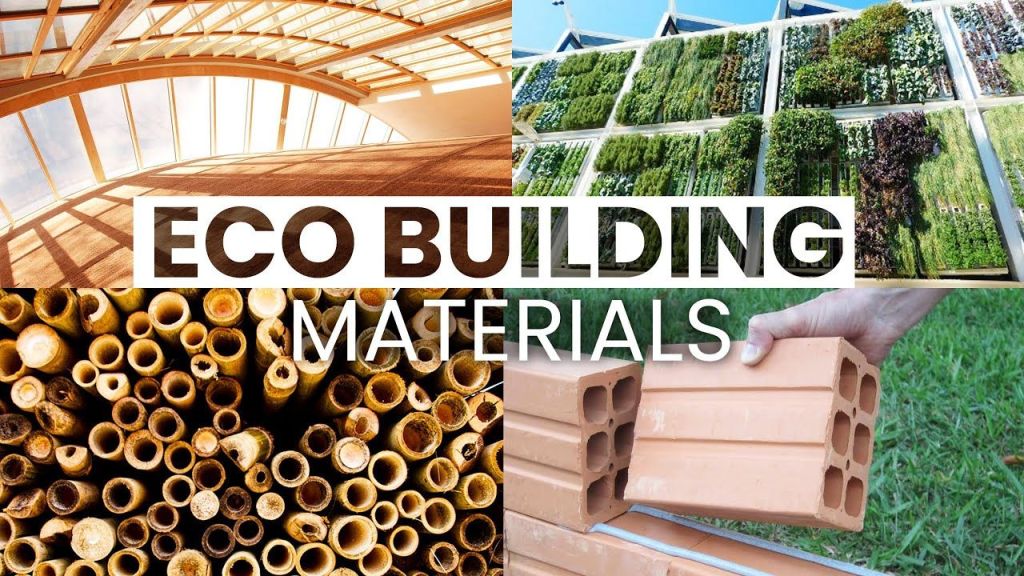
Eco-friendly building materials are becoming increasingly popular as people recognize the importance of sustainable construction practices. These materials not only reduce the environmental impact but also provide numerous benefits such as energy efficiency, improved indoor air quality, and durability. In this article, we will explore eight eco-friendly building materials that can be used in alternative schooling and education facilities.
1. Bamboo:
Bamboo is a versatile and sustainable material that has been used for centuries in construction. It is a fast-growing grass that can be harvested within 3-5 years, making it an excellent renewable resource. Bamboo has remarkable strength-to-weight ratio, making it ideal for structural applications such as framing and flooring. Additionally, bamboo is highly resistant to pests and diseases, reducing the need for harmful chemical treatments.
2. Recycled Metal:
Using recycled metal for construction purposes significantly reduces energy consumption compared to extracting new metals from the earth’s crust. Steel beams made from recycled scrap metal are strong and durable, providing structural support while minimizing waste generation. Moreover, using recycled metal helps divert waste from landfills while reducing greenhouse gas emissions associated with traditional mining processes.
3. Rammed Earth:
Rammed earth construction involves compressing layers of damp soil into forms to create solid walls or other structures. This technique requires minimal processing and uses locally available soil with a small amount of cement or lime as stabilizers if necessary. Rammed earth buildings have excellent thermal mass properties that regulate temperature fluctuations naturally, leading to reduced heating and cooling requirements within school buildings.
4. Cork:
Cork is an environmentally friendly material derived from the bark of cork oak trees without harming them – allowing trees to regrow their bark every few years naturally. Cork has excellent insulation properties due to its cellular structure filled with trapped air pockets which help maintain comfortable indoor temperatures while reducing energy consumption by lowering heating or cooling needs.
5. Hempcrete:
Hempcrete is a bio-composite material made from hemp fibers, lime, and water. It is lightweight, breathable, and provides excellent thermal insulation properties. Hempcrete also absorbs carbon dioxide during its lifetime and continues to sequester it as the material cures. This makes hempcrete a carbon-negative building material that reduces the carbon footprint of educational facilities.
6. Recycled Plastic:
Plastic waste is a significant global issue, but it can be repurposed into building materials such as recycled plastic lumber or composite decking boards for alternative schooling facilities. Using recycled plastic not only diverts waste from landfills but also prevents the extraction of virgin resources like wood or concrete for construction purposes.
7. Straw Bales:
Straw bale construction involves using bales of straw tightly compacted together to form walls or other structural elements in buildings. Straw bales provide high insulation value and are abundant agricultural byproducts that would otherwise go to waste. They are often covered with plaster or stucco for added protection against fire and moisture.
8. Salvaged Wood:
Using salvaged wood from old barns, houses, or even pallets can give a unique character to alternative schooling structures while reducing demand for new timber harvesting. Reclaimed wood retains its strength and durability while adding charm and history to educational spaces. Additionally, reusing salvaged wood helps reduce deforestation rates and preserves natural habitats.
In conclusion, incorporating eco-friendly building materials into alternative schooling facilities not only promotes sustainable practices but also provides numerous benefits such as energy efficiency, improved indoor air quality, reduced environmental impact, and increased durability. Bamboo, recycled metal, rammed earth constructions like hempcrete or straw bales offer viable alternatives that contribute positively towards creating healthier learning environments while minimizing ecological footprints in education infrastructure development projects.
 Alternative Amie
Leave a comment