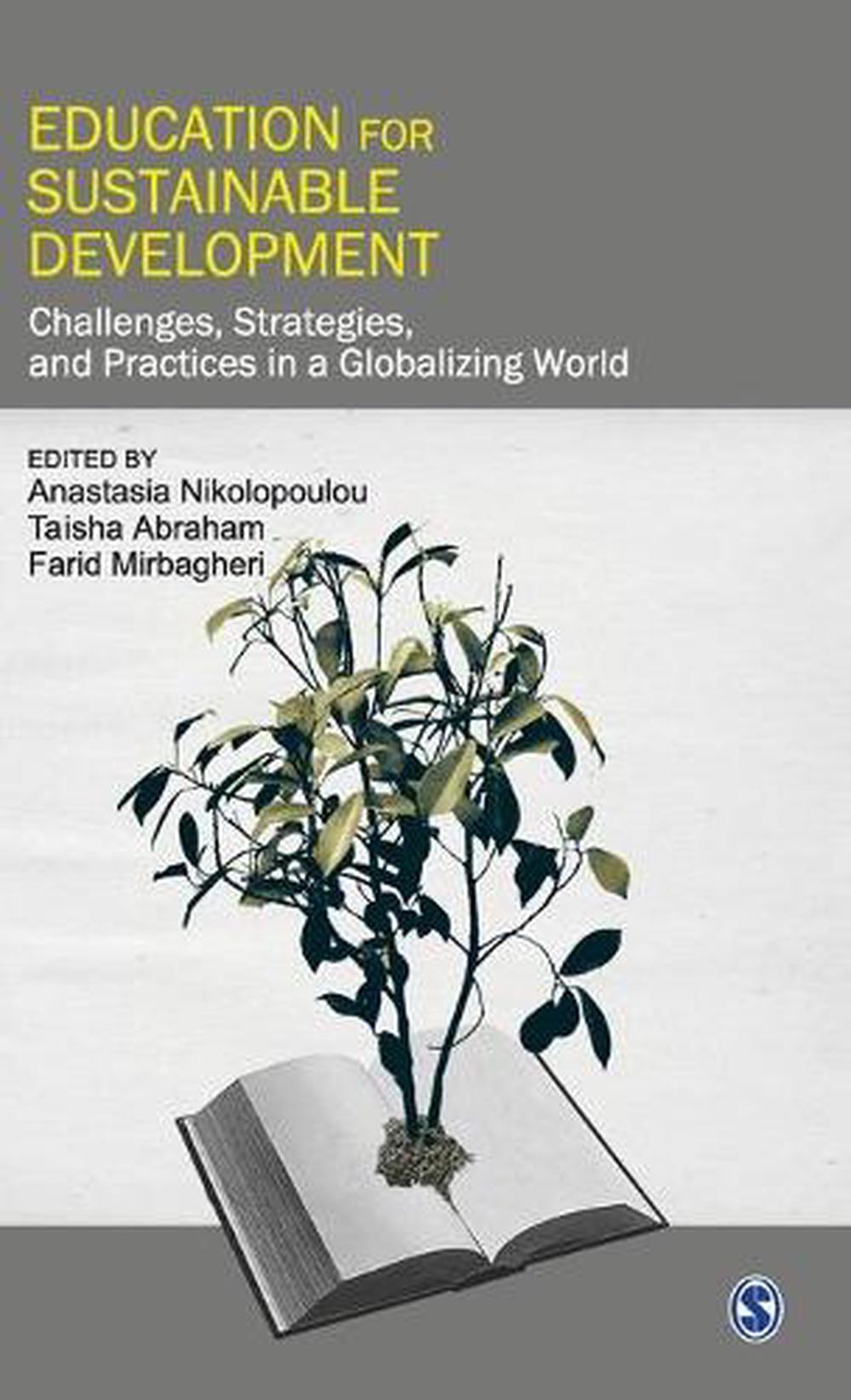
Sustainable development is a concept that has gained significant attention in recent years, especially within the education sector. As the world faces increasing environmental challenges and social inequalities, it has become imperative for educational institutions to incorporate sustainable practices into their curriculum and teaching methodologies. In this post, we will explore the importance of sustainable development in alternative schooling and education, its benefits for students and society at large, as well as some practical ways to integrate sustainability into the learning process.
At its core, sustainable development aims to meet the needs of the present generation without compromising the ability of future generations to meet their own needs. Alternative schools have a unique advantage when it comes to embracing sustainability since they often have more flexibility in designing their curricula and can prioritize holistic learning experiences over traditional academic benchmarks. By incorporating sustainable practices into alternative education models, students are exposed to real-world issues such as climate change, biodiversity loss, poverty alleviation, or gender equality from an early age. This not only develops their critical thinking skills but also nurtures empathy and a sense of responsibility towards their environment and fellow human beings.
One key benefit of integrating sustainable development into alternative schooling is that it provides students with hands-on learning opportunities beyond textbooks and classrooms. For instance, schools can establish vegetable gardens or community composting projects where students actively participate in growing food or managing organic waste. These initiatives not only teach them about ecological systems but also instill practical skills like gardening or recycling that can be applied throughout their lives.
Furthermore, by prioritizing sustainability in education, alternative schools empower students to become agents of positive change in their communities. They learn how individual actions contribute to larger societal problems and gain tools for addressing them effectively. Through project-based learning activities focused on sustainability topics like renewable energy or waste reduction campaigns, students develop problem-solving abilities while simultaneously making tangible contributions toward creating a more just and environmentally conscious world.
In addition to personal growth benefits for students themselves, incorporating sustainable development into alternative education also has broader societal advantages. By nurturing environmentally literate citizens, schools contribute to building a more sustainable future by encouraging responsible consumption patterns, reducing waste generation, and promoting renewable energy sources. Moreover, students who are exposed to the principles of equity and social justice through their education are more likely to become advocates for marginalized communities and work towards creating a fairer society.
To successfully integrate sustainable development into alternative schooling, it is essential that educators receive proper training and support. Schools must invest in professional development opportunities for teachers so they can effectively incorporate sustainability themes across various subjects. Additionally, collaboration with local organizations or experts in sustainability can provide valuable resources and expertise to enhance the learning experience.
In conclusion, sustainable development is not just an optional addition but an essential component of alternative schooling and education in today’s world. By incorporating sustainability into curriculum design and teaching methodologies, schools empower students to become active participants in creating a fairer society and protecting our planet’s resources. Ultimately, this holistic approach fosters critical thinking skills, empathy towards others and the environment, as well as equips students with practical tools for addressing real-world challenges.
 Alternative Amie
Leave a comment