As an alternative schooling and education advocate, you might find yourself constantly on the move, attending conferences, visiting different learning communities, or embarking on educational adventures. While this lifestyle offers incredible opportunities for growth and exploration, it can also create challenges when it comes to managing your expenses.
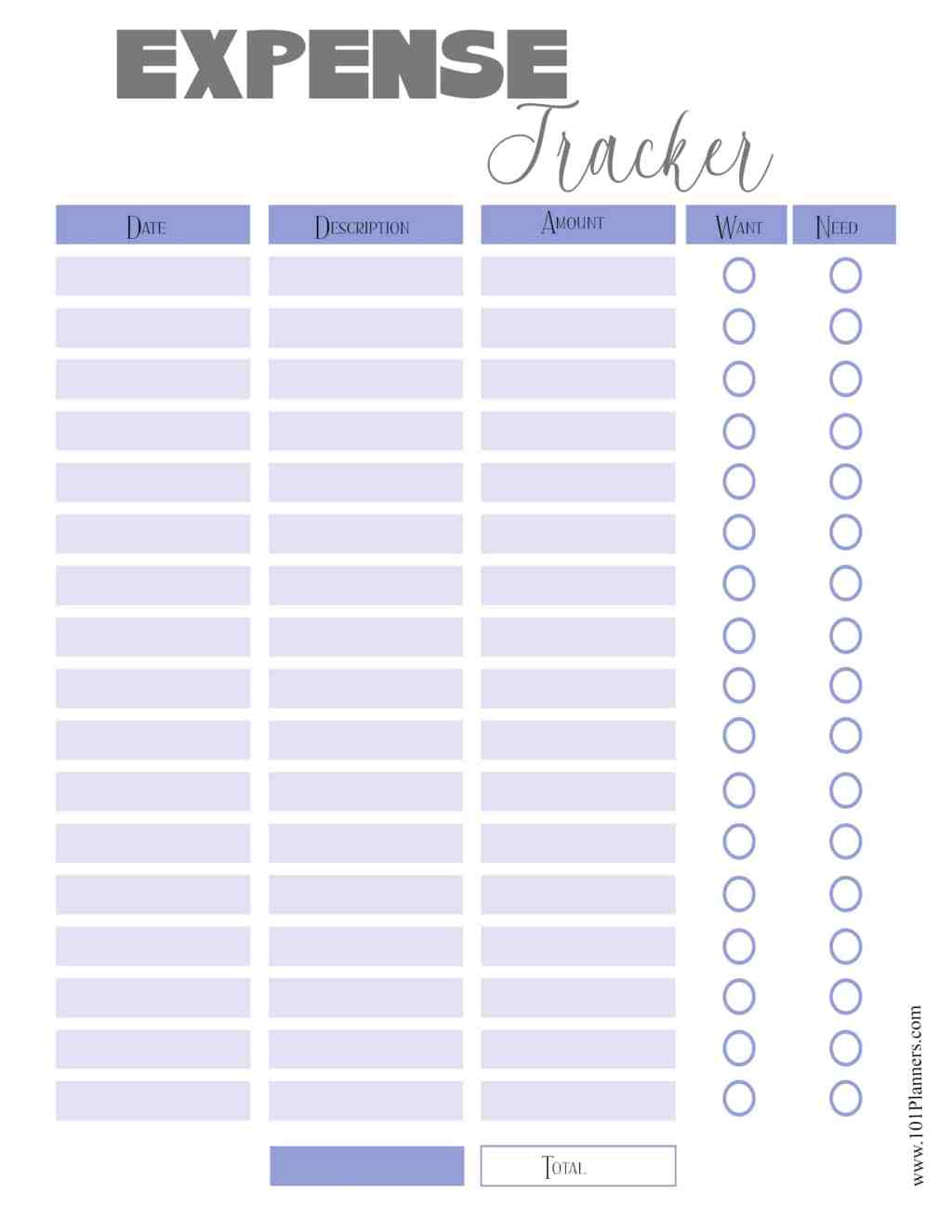
Tracking and analyzing your expenses while on the road is essential for maintaining financial stability and making informed decisions about budgeting. In this retrospective post, we will explore some effective strategies to help you stay organized and in control of your finances during your journeys.
1. Embrace the Power of Technology
In today’s digital age, there are numerous expense tracking apps available that make recording expenses a breeze. Apps like Expensify and Mint allow you to easily input expenses by taking pictures of receipts or linking them directly from your bank account. These apps automatically categorize expenditures and provide detailed reports at the touch of a button.
2. Create a Detailed Budget
Before setting off on any trip, take the time to create a comprehensive budget outlining all anticipated costs such as accommodation, transportation, meals, and miscellaneous expenses. Consider establishing separate categories for professional development activities (conferences or workshops) versus personal leisure activities (sightseeing or entertainment). This segmentation will give you a clear understanding of where your money is going.
3. Keep Physical Copies of Receipts
Although digitizing receipts is becoming increasingly popular due to its convenience, keeping physical copies can provide additional security should technology fail or if there are issues with reimbursement from employers or sponsors. Organize them in labeled envelopes or folders according to expense categories for easy reference later.
4. Stay Disciplined with Daily Tracking
Make it a habit to record each expense as soon as possible after it occurs—preferably daily—to ensure accuracy and prevent forgetting smaller purchases that can quickly add up over time. Dedicate time each day specifically for reviewing your transactions and updating your records accordingly.
5. Be Mindful of Currency Exchange Rates
If you’re traveling internationally, be aware of fluctuating currency exchange rates. These fluctuations can significantly impact your expenses, especially if you’re visiting multiple countries during your trip. Stay updated on the latest exchange rates through reliable sources or use currency converter apps to avoid any surprises when reconciling your expenses.
6. Separate Personal and Business Expenses
If you have a mix of personal and business-related expenses during your travels, it’s crucial to keep them separate for accurate tracking and reporting purposes. Consider using different bank accounts or credit cards specifically designated for business-related expenses. This separation will simplify financial management and ensure that all professional costs are accounted for.
7. Analyze Your Spending Patterns Regularly
Once you’ve been tracking your expenses for a while, take some time to analyze trends in your spending patterns. Look for areas where you may be overspending or areas where there might be room for optimization. For example, if you notice that dining out is taking up a significant portion of your budget, consider cooking more meals at home or seeking affordable local eateries instead.
8. Seek Out Cost-Saving Opportunities
As an advocate of alternative schooling and education, it’s essential to make the most of limited resources without compromising quality experiences. Research cost-saving opportunities such as discounted accommodations through platforms like Airbnb or hostels, utilizing public transportation systems instead of taxis or rental cars whenever possible, and exploring free cultural events in the locations you visit.
9. Set Realistic Financial Goals
Every journey should come with financial goals tailored to both short-term needs (monthly budgets) and long-term aspirations (savings targets). By setting realistic goals based on research-backed estimates, you can allocate funds effectively while ensuring financial stability throughout your travels.
10. Reflect on Your Journey Financially
At the end of each trip or adventure, take some time to reflect on how well you managed your finances during that period—an essential component of continuous improvement. Ask yourself questions like: Did you stick to your budget? Were there unexpected expenses that could have been avoided with better planning? What changes can you make for future trips?
Tracking and analyzing expenses while on the road is an essential skill for maintaining financial stability, regardless of whether you’re a seasoned traveler or just starting your journey in alternative schooling and education. By embracing technology, creating detailed budgets, staying disciplined with daily tracking, and seeking cost-saving opportunities, you can ensure that your educational adventures remain financially sustainable in the long run. So go forth with confidence, armed with these strategies to keep your finances on track during your exciting journeys!
 Alternative Amie
Leave a comment