Reflective Learning: Unlocking the Power of Self-Discovery
In the ever-evolving landscape of education, traditional teaching methods are being challenged by alternative approaches that prioritize student-centered learning and individual growth. Reflective learning is one such approach that has gained significant attention for its ability to empower learners in a unique and transformative way.
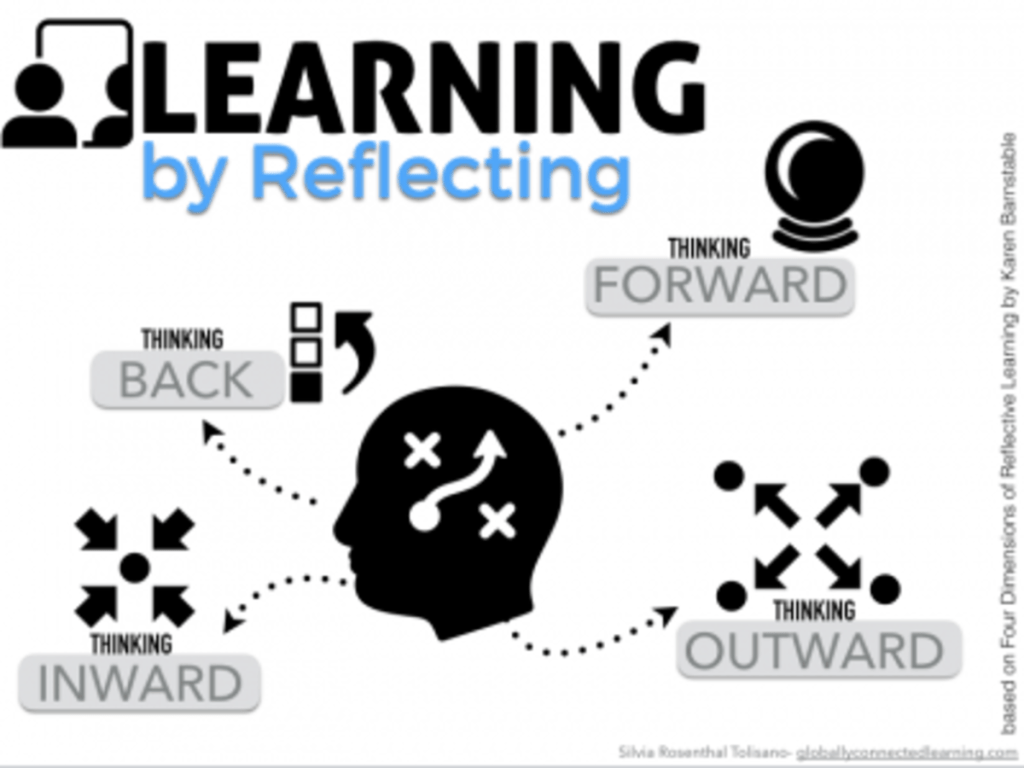
So, what exactly is reflective learning? At its core, it is an active process where individuals engage in self-examination and critical analysis of their own experiences, actions, and thoughts. It goes beyond memorization or rote learning; instead, it encourages students to delve deeper into their understanding by asking questions like “Why did I do this?” or “What can I learn from my mistakes?”
The beauty of reflective learning lies in its versatility. It can be applied across various educational settings – from traditional classrooms to online platforms and even non-traditional environments like homeschooling or alternative schooling. By encouraging students to reflect on their own experiences, educators create opportunities for personal growth and development.
One of the key benefits of reflective learning is its ability to foster metacognition – thinking about thinking. As learners actively analyze their thought processes, they become more aware of how they construct knowledge, make decisions, solve problems, and interact with others. This heightened awareness enhances their capacity for self-regulation and helps them become independent thinkers.
Reflective learning also promotes deep engagement with course material as it encourages students to connect new information with prior knowledge and experiences. When learners see how concepts relate to real-life scenarios or personal anecdotes, they develop a deeper understanding that transcends mere memorization.
Moreover, reflective practice cultivates critical thinking skills by challenging students’ assumptions and biases. Through reflection exercises such as journaling or group discussions, learners are exposed to diverse perspectives that broaden their worldview while sharpening their analytical abilities.
Another invaluable aspect of reflective learning is its role in developing emotional intelligence (EI). By reflecting on successes, failures, and challenging situations, students learn to understand their own emotions and empathize with others. This emotional awareness allows them to navigate complex interpersonal relationships both in and out of the classroom.
One effective method for implementing reflective learning is through the use of portfolios or e-portfolios. These collections of student work provide a tangible record of growth over time. By reviewing their past assignments, projects, or reflections, learners can track their progress and identify areas for improvement.
Teachers play a crucial role in facilitating reflective learning experiences. They act as guides rather than lecturers, creating safe spaces where students feel comfortable sharing their thoughts and ideas openly. Through probing questions and constructive feedback, educators encourage deeper reflection while providing support when needed.
In conclusion, reflective learning unlocks the power of self-discovery by encouraging individuals to actively engage with their own experiences and thoughts. It enhances metacognition, deepens understanding, cultivates critical thinking skills, promotes emotional intelligence, and empowers learners to take ownership of their education journey.
Whether you are a traditional classroom teacher looking for innovative approaches or an alternative schooling advocate seeking new ways to empower students outside mainstream education systems – reflective learning offers a transformative path towards holistic development that transcends boundaries. So let’s embrace this powerful educational tool and create opportunities for self-reflection that will shape future generations into lifelong learners prepared for success in an ever-changing world.
 Alternative Amie
Leave a comment