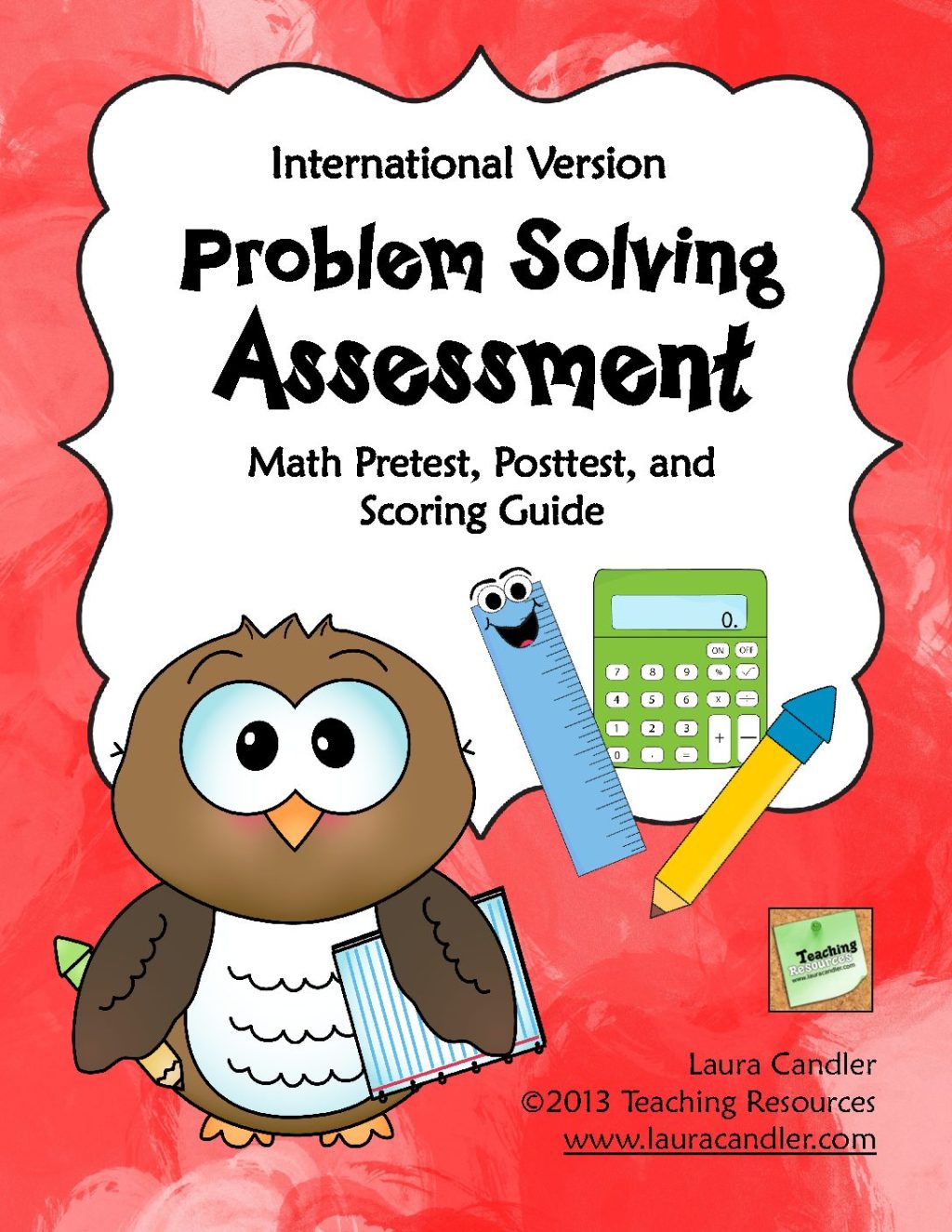
Problem-solving assessments are an integral part of alternative schooling and education. These assessments aim to evaluate students’ ability to analyze, think critically, and come up with innovative solutions. They focus on developing skills that go beyond rote memorization and encourage students to apply their knowledge in real-life situations.
One key advantage of problem-solving assessments is that they promote a deeper understanding of concepts. Instead of simply regurgitating information, students are encouraged to engage actively with the subject matter. This fosters independent thinking and creativity, preparing them for the challenges they may face in the future.
Moreover, problem-solving assessments help identify areas where students might be struggling or need additional support. By analyzing their approach towards solving problems, educators can gain insight into individual learning styles and tailor instruction accordingly.
These assessments also foster collaboration and teamwork among students. Many problems require multiple perspectives and ideas to find effective solutions. By working together, students learn how to communicate effectively, listen attentively, and respect diverse opinions.
In addition to academic benefits, problem-solving assessments cultivate essential life skills such as resilience and perseverance. Students encounter obstacles throughout their lives; these assessments teach them not only how to overcome challenges but also how to embrace failure as a stepping stone towards growth.
To ensure that problem-solving assessments are effective, it is crucial for educators to provide constructive feedback rather than focusing solely on grades or scores. Feedback should highlight strengths while offering guidance on areas that need improvement.
Overall, problem-solving assessments play a vital role in alternative schooling by nurturing critical thinking skills, fostering collaboration among students, identifying areas for growth, promoting resilience, and preparing individuals for success beyond the classroom walls
 Alternative Amie
Leave a comment