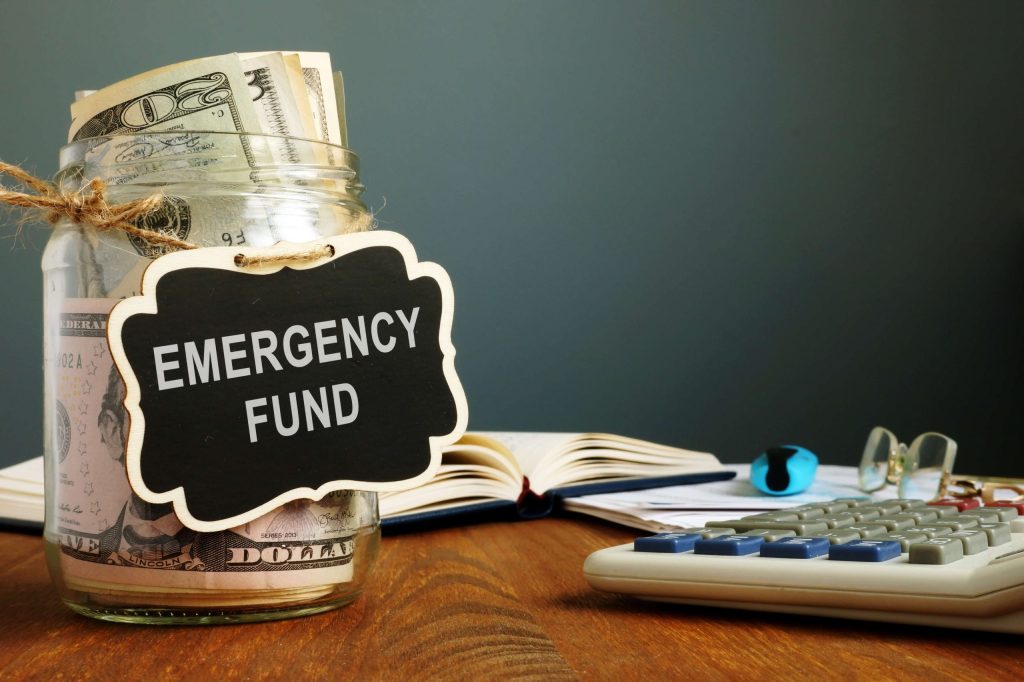
Building an Emergency Fund: A Key to Financial Stability and Peace of Mind
Introduction:
In today’s unpredictable world, it is more important than ever to have a safety net in the form of an emergency fund. An emergency fund serves as a financial cushion that provides stability during unexpected situations such as job loss, medical emergencies, or unforeseen expenses. For families who choose alternative schooling and education, having an emergency fund becomes even more crucial due to the potential fluctuation in income and unconventional lifestyle choices. In this article, we will explore the importance of building an emergency fund and provide practical steps on how to establish one.
Understanding the Importance of an Emergency Fund:
1. Protection against Uncertainty:
Life often throws curveballs that can derail our plans and disrupt financial stability. By having an emergency fund in place, you are better equipped to handle these uncertainties with ease and minimal stress.
2. Reducing Reliance on Debt:
Without a safety net like an emergency fund, individuals may find themselves resorting to credit cards or loans when faced with unexpected expenses. This reliance on debt can lead to long-term financial struggles due to high interest rates and mounting debts.
3. Peace of Mind:
Knowing you have funds set aside for emergencies brings peace of mind that cannot be underestimated. It allows you to confidently navigate life’s challenges without constantly worrying about your financial situation.
Setting Financial Goals:
Before diving into building your emergency fund, it is essential first to assess your overall financial goals by considering factors such as income stability, monthly expenses, future aspirations (including alternative schooling), and any existing debts or obligations.
1. Analyze Your Income & Expenses:
Evaluate your current income sources along with monthly expenses like rent/mortgage payments, utilities, groceries, transportation costs, insurance premiums etc., while also accounting for discretionary spending habits.
2. Calculate Monthly Savings Potential:
By subtracting necessary expenses from your monthly income figure obtained earlier in step 1, you can determine the amount that can be potentially saved each month. This will serve as a starting point for setting realistic savings goals.
Establishing an Emergency Fund:
1. Determine Your Target:
Financial experts generally recommend saving three to six months’ worth of living expenses in your emergency fund. However, alternative schooling families may opt for a more conservative approach by aiming for a larger cushion due to potential income fluctuations or unconventional expenses.
2. Start Small:
Don’t feel overwhelmed if you are unable to reach your target immediately. Begin with small, achievable goals and gradually increase the amount over time. The key is to establish consistency in savings habits.
3. Automate Savings:
Consider setting up automatic transfers from your primary bank account to a separate savings account dedicated solely to your emergency fund. Automating this process ensures regular contributions without requiring conscious effort on your part.
4. Reduce Unnecessary Expenses:
Identify areas where you can cut back on non-essential spending and redirect those funds towards building your emergency fund instead.
5. Increase Income Streams:
Explore opportunities to supplement your existing income through side gigs or freelance work related to alternative schooling or education fields. Utilize skills and expertise within these domains to generate additional revenue that could be channeled into building your emergency fund faster.
Maintaining & Expanding Your Emergency Fund:
1. Regularly Review & Adjust Goals:
Revisit and reassess both short-term and long-term financial goals periodically based on evolving circumstances such as changes in income, monthly expenses, family size, or educational choices for children.
2. Avoid Temptation:
Resist the urge to dip into your emergency fund for non-emergency purposes unless it is absolutely necessary; otherwise, it defeats the purpose of having one in the first place.
3. Maximize Interest Earnings:
Look for high-yield savings accounts or consider investing a portion of your emergency funds in low-risk options like certificates of deposit (CDs) or money market accounts to earn a slightly higher return.
4. Celebrate Milestones:
Acknowledge and celebrate each milestone achieved along the way, whether it’s reaching a specific savings target or successfully navigating through an unexpected financial crisis using your emergency fund. These celebrations will help reinforce positive saving behaviors and motivate you to continue building your financial safety net.
Conclusion:
Building an emergency fund is an integral part of creating financial stability and peace of mind for families pursuing alternative schooling and education. By following the steps outlined in this article, individuals can establish a solid foundation that provides protection against unforeseen circumstances while staying on track with their educational goals. Remember, consistency, discipline, and adaptability are key when it comes to building and maintaining your emergency fund. Start small but start today; your future self will thank you when faced with life’s unexpected challenges.
 Alternative Amie
Leave a comment