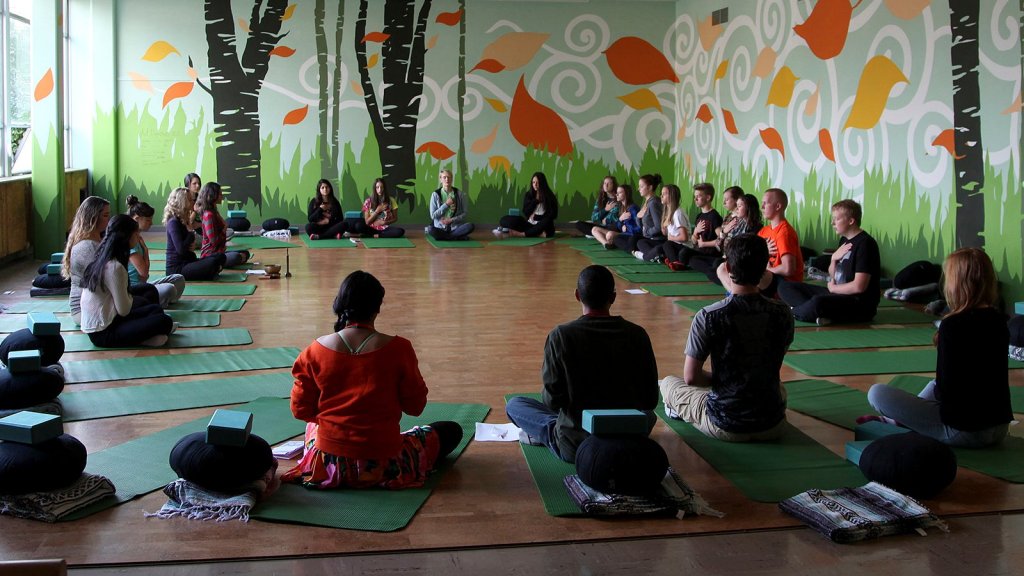
Mindfulness and meditation are increasingly being recognized as valuable practices in the field of education. In recent years, microschools have emerged as an alternative approach to traditional schooling, providing personalized and student-centered learning experiences. Many microschools have embraced mindfulness and meditation as a way to promote well-being, emotional intelligence, and focus among students.
Microschools that incorporate mindfulness and meditation into their curriculum aim to create a calm and peaceful environment where students can develop self-awareness, manage stress, and enhance their ability to concentrate. These practices encourage students to be present in the moment, fostering a sense of inner peace and tranquility. By incorporating these techniques into daily routines, microschools create opportunities for students to cultivate emotional resilience and reduce anxiety levels.
One of the key benefits of integrating mindfulness and meditation into microschool programs is improved mental health. Research has shown that regular practice can help reduce symptoms of depression, anxiety disorders, attention deficit hyperactivity disorder (ADHD), as well as improve overall psychological well-being. By teaching these skills early on in life through microschooling, students can develop lifelong habits that support their mental health.
Social justice-oriented microschools are another unique aspect of alternative education. These schools prioritize social justice issues such as equality, diversity, inclusion, human rights advocacy, environmental sustainability,and community engagement. They strive to create an inclusive learning environment where all voices are heard and respected.
Art-based programs within microschools allow students to explore various forms of artistic expression such as painting,drawing,sculpture,dance,and theater.These programs not only foster creativity but also enhance critical thinking skills,self-expression,and collaboration among students.Art-focused curricula provide opportunities for personal growth while nurturing a deep appreciation for arts culture.
Similarly,music-focused microschools offer specialized music training alongside core academic subjects.Music education has been linked with improved cognitive abilities,such as memory retention,focus,and analytical skills.Students who engage in music-based activities often demonstrate enhanced creativity,problem-solving skills,and self-discipline.Music can also serve as a powerful medium for emotional expression and stress reduction.
Sports and physical education play an essential role in the development of well-rounded individuals. Microschools that offer sports programs provide opportunities for students to engage in various physical activities, including team sports, individual pursuits like swimming or martial arts, as well as outdoor adventures such as hiking or camping. These programs promote physical fitness, teamwork, leadership skills, and resilience among students.
In conclusion,microschools have become a platform for innovative educational approaches that go beyond traditional models. The incorporation of mindfulness and meditation practices fosters mental health and emotional well-being among students. Social justice-oriented microschools prioritize equality and community engagement. Art-based programs encourage creativity,self-expression,and collaboration while music-focused schools nurture cognitive abilities and emotional expression through music education.Sports programs contribute to physical fitness,social skills,and personal growth.These diverse offerings make microschools an attractive alternative for parents seeking personalized educational experiences for their children
 Alternative Amie
Leave a comment