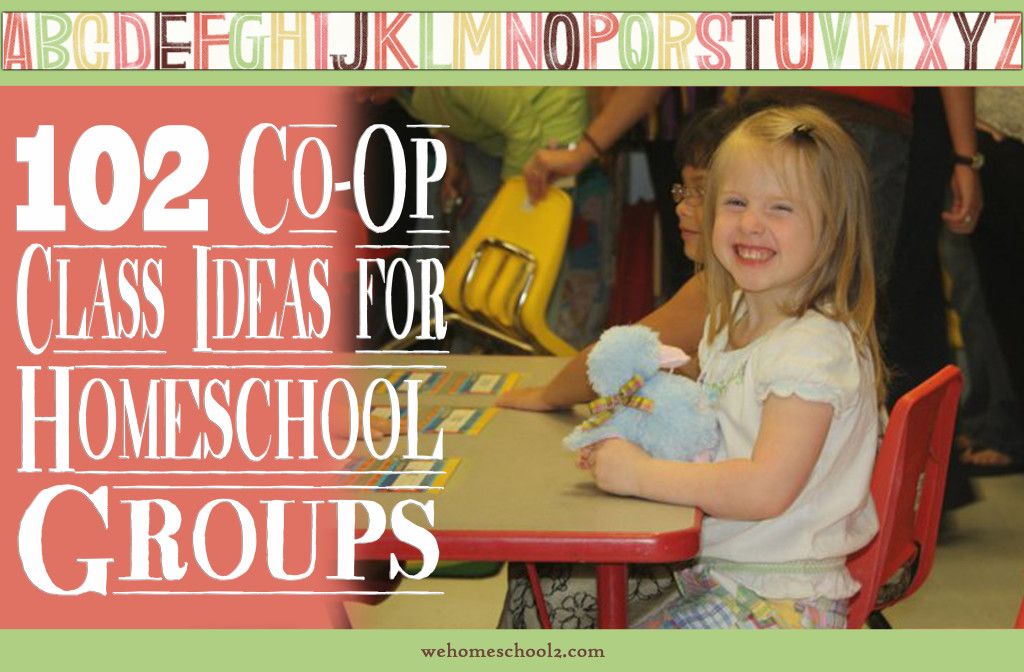
Co-op Homeschooling Groups: A Journey of Collaboration and Learning
Introduction:
In recent years, there has been a growing interest in alternative forms of education. One such approach that has gained popularity is co-operative homeschooling groups. These groups provide a unique opportunity for families to come together and share their knowledge, skills, and resources to create a collective learning environment for their children. In this memoir-style post, we will delve into the world of co-op homeschooling groups, exploring the benefits they offer, the challenges they face, and the impact they have on participants.
Chapter 1: The Birth of Co-op Homeschooling
It all began with a few like-minded families who felt that traditional schooling wasn’t meeting their children’s educational needs. They craved an experience that was more personalized and flexible while still providing social interaction. Thus, the idea of forming a co-operative homeschooling group was born.
These pioneering parents understood that by combining their talents and pooling resources, they could create a rich learning environment for their children. They started small – organizing weekly meet-ups where parents took turns teaching different subjects or leading hands-on activities. Soon enough, word spread within our community about this new form of education.
Chapter 2: Strength in Numbers
As more families joined our co-op homeschooling group, its strength grew exponentially. We discovered that each family had unique strengths and passions which enriched our collective experience. Some parents were skilled in science experiments while others excelled at arts and crafts or music lessons.
Our group meetings became vibrant hubs of learning with rotating schedules designed to cater to everyone’s interests. Children received instruction from multiple adults with varied expertise throughout the week; it was truly an interdisciplinary approach to education.
Chapter 3: Nurturing Social Connections
One concern often raised about homeschooling is limited socialization opportunities for children compared to traditional schools. However, through our co-operative efforts, we found ingenious ways to tackle this challenge.
Field trips were a regular occurrence, allowing our children to explore museums, nature parks, and historical sites together. We also organized community service projects where our kids could bond while making a positive impact in the world around them. These experiences fostered lasting friendships and developed their social skills in real-world settings.
Chapter 4: The Power of Collaboration
Teaching is not just about imparting knowledge; it’s about encouraging critical thinking, problem-solving, and collaboration skills. In co-op homeschooling groups, these qualities are nurtured through group projects and shared responsibilities.
We often embarked on long-term projects that required teamwork and cooperation. For instance, we created a community garden where each child had specific tasks to tend to different plants or maintain the overall space. This project taught them patience, responsibility, and how working together can yield great results.
Chapter 5: Overcoming Challenges
While co-op homeschooling groups have numerous benefits, they also face challenges unique to their structure. One such obstacle we encountered was finding a balance between individual family needs and collective decision-making.
Each family brings its own set of values and priorities into the group dynamic. It is essential for all participants to be open-minded and willing to compromise when disagreements arise concerning curriculum choices or scheduling conflicts. Establishing clear communication channels proved crucial in navigating these challenges successfully.
Chapter 6: Continual Growth
As time went on, our co-operative homeschooling group continued evolving as new families joined us while others moved on due to various reasons like relocation or changing educational preferences. Despite these changes, the core principles remained intact – collaboration, flexibility, creativity – ensuring that every child received an enriching education tailored specifically for them.
Conclusion:
Co-operative homeschooling groups offer an innovative alternative approach to education that combines personalized learning with socialization opportunities within a supportive community setting. Through collaborative efforts among parents and children alike, these groups create vibrant spaces where knowledge flows freely, friendships are nurtured, and lifelong skills are acquired.
While challenges may arise along the way, the rewards of co-op homeschooling far outweigh any difficulties encountered. It is a journey worth embarking on for families seeking to provide their children with a holistic learning experience that embraces collaboration and fosters a love for lifelong learning.
 Alternative Amie
Leave a comment