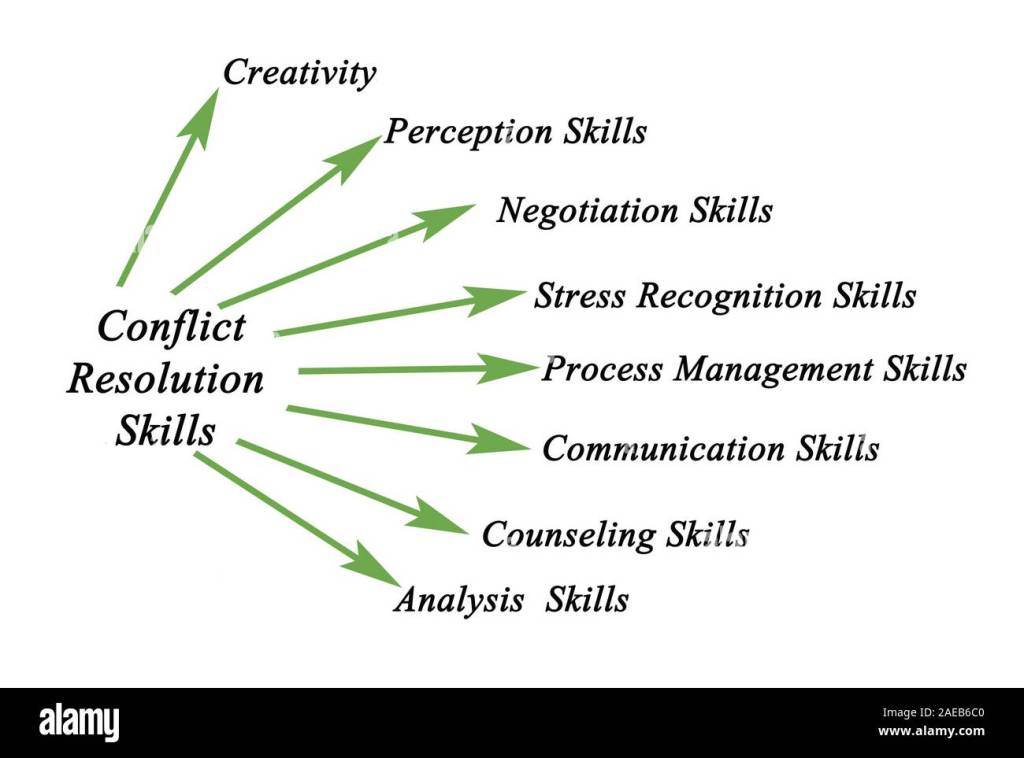
Conflict Resolution Skills: A Guide to Building Peaceful Relationships
Introduction:
Conflicts are a natural part of human interactions, and learning how to resolve them peacefully is essential for fostering harmonious relationships. In alternative schooling and education environments, where students may have diverse backgrounds and perspectives, conflict resolution skills play a crucial role in creating an inclusive and supportive community. This article aims to provide a comprehensive guide on conflict resolution skills that can be applied by students, parents, teachers, and administrators alike.
Understanding Conflict:
To effectively resolve conflicts, it is important first to understand what conflict entails. Conflict arises when there is a disagreement or clash of interests between two or more individuals. It can occur due to differences in opinions, values, needs, or goals. Conflicts may manifest as verbal arguments or even escalate into physical altercations if not addressed promptly.
Importance of Conflict Resolution Skills:
Conflict resolution skills are vital for maintaining healthy relationships within any educational setting. By developing these abilities, individuals can learn how to communicate effectively during disagreements while considering different perspectives. Conflict resolution also promotes empathy and understanding among all parties involved.
Key Steps in Conflict Resolution:
1. Stay Calm:
Maintaining composure during conflicts helps prevent the situation from escalating further. Take deep breaths and consciously focus on staying calm before engaging in any discussions or attempts at resolving the issue.
2. Communicate Clearly:
Effective communication forms the foundation of successful conflict resolution. Clearly express your thoughts and feelings without resorting to aggressive language or personal attacks. Use “I” statements instead of “you” statements to avoid finger-pointing.
3. Active Listening:
Active listening involves paying full attention to what the other person is saying rather than formulating your response preemptively. Show genuine interest by maintaining eye contact and nodding occasionally to affirm your engagement with their perspective.
4. Empathy:
Empathy plays a crucial role in conflict resolution as it allows individuals to put themselves in another person’s shoes. By empathizing, you can better understand the other person’s feelings and motivations, facilitating a more compassionate resolution.
5. Find Common Ground:
Identify shared interests or common goals between conflicting parties to create a foundation for resolving differences. Focusing on these areas of agreement helps build mutual understanding and promotes collaboration.
6. Brainstorming Solutions:
Encourage open dialogue where all parties can contribute ideas for potential solutions to the conflict. Avoid dismissing any suggestions outright but rather explore their feasibility together.
7. Negotiation and Compromise:
Conflict resolution often requires negotiation and compromise from all involved parties. Identify areas where concessions can be made while ensuring that the final solution is fair to everyone.
8. Seek Mediation if Necessary:
In cases where conflicts persist despite attempts at resolution, involving a neutral third party as a mediator can help facilitate productive discussions and find mutually agreeable resolutions.
9. Reflect and Learn:
After resolving a conflict, take time to reflect on the experience and identify lessons learned. Consider what could have been done differently or how similar situations may be prevented in the future.
Building Conflict Resolution Skills:
Developing conflict resolution skills is an ongoing process that requires practice and self-reflection over time. Here are some strategies individuals can employ to enhance their abilities:
1. Education and Training:
Alternative schooling environments should prioritize teaching conflict resolution skills through workshops, classes, or dedicated training sessions for students, parents, teachers, and administrators alike.
2. Role-Playing Exercises:
Engaging in role-playing exercises allows individuals to practice real-life conflict scenarios within safe environments where they can experiment with different approaches without fear of negative consequences.
3. Emotional Intelligence Development:
Emotional intelligence encompasses self-awareness, self-regulation, empathy, motivation, and social skills – all vital components of effective conflict resolution techniques. Actively work on developing emotional intelligence through various activities such as journaling or seeking feedback from trusted mentors or peers.
4. Peer Mediation Programs:
Implementing peer mediation programs within alternative schooling settings can empower students to resolve conflicts among themselves, fostering a sense of responsibility and autonomy.
Conclusion:
Conflict resolution skills are invaluable tools for navigating the complexities of interpersonal relationships within alternative schooling and education environments. By actively practicing these techniques, individuals can create supportive communities that encourage open dialogue, empathy, and collaboration. Remember that conflict is an opportunity for growth and understanding if approached with patience, respect, and a willingness to find common ground.
 Alternative Amie
Leave a comment