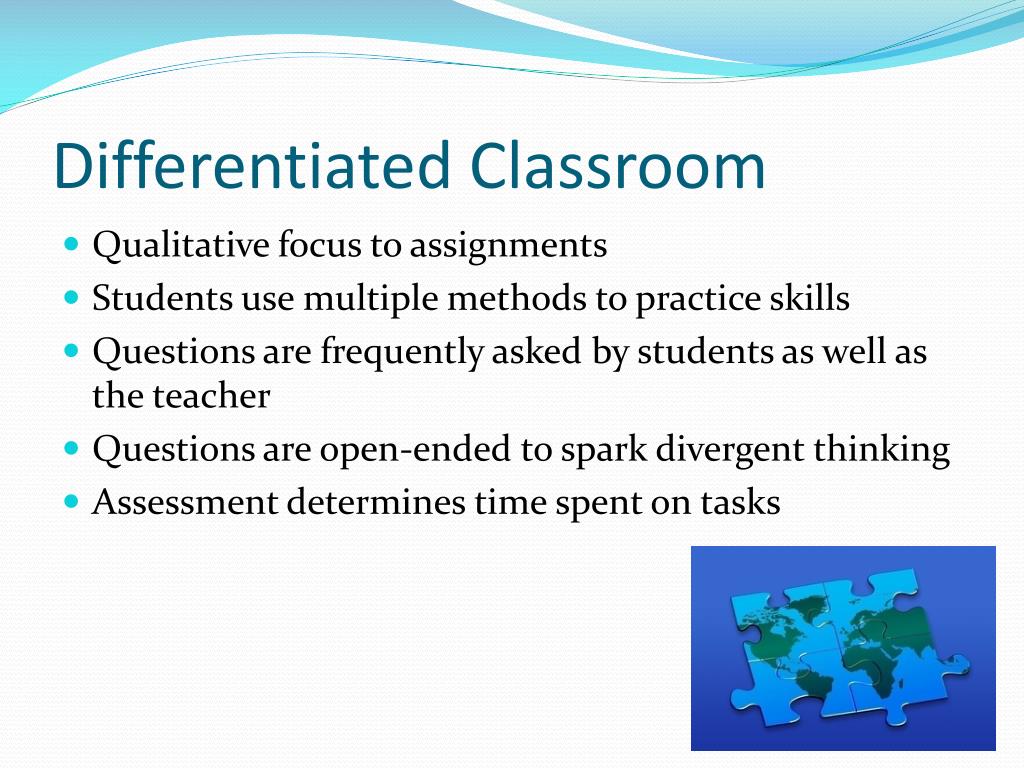
Differentiated Instruction: Meeting the Diverse Needs of Students
Introduction:
In traditional classrooms, teachers often adopt a one-size-fits-all approach to education. However, this method fails to acknowledge the unique learning styles, abilities, and interests of individual students. To address this limitation and promote effective learning for all students, educators have turned to differentiated instruction. This instructional approach recognizes that learners have different needs and ensures that teaching strategies are tailored accordingly. In this article, we will explore what differentiated instruction entails and how it can be implemented in alternative schooling and education settings.
Understanding Differentiated Instruction:
Differentiated instruction is an educational framework that seeks to accommodate diverse learners by adapting teaching methods to meet their specific needs. It involves providing multiple pathways for students to access information, make sense of concepts, and demonstrate their understanding. The goal is not only to improve academic achievement but also foster inclusivity in the classroom.
The key principles underlying differentiated instruction include recognizing student differences as strengths rather than deficits, providing flexible learning opportunities, adjusting content delivery based on readiness levels or interests, offering various ways for students to engage with materials and demonstrate knowledge acquisition.
Benefits of Differentiated Instruction:
1. Individualized Learning:
One of the most significant advantages of differentiated instruction is its ability to cater to each student’s unique strengths and weaknesses. By tailoring lessons according to individual needs, teachers can create an environment where every learner feels valued and supported.
2. Increased Engagement:
When students are given choices in how they learn or show their understanding, they become more engaged in the learning process. By incorporating activities that align with their interests or using different modalities (visuals, auditory aids), educators can capture students’ attention and motivate them towards active participation.
3. Improved Academic Achievement:
By addressing learners’ varying readiness levels through scaffolding or extension activities within the same lesson plan, differentiated instruction helps ensure academic growth for all students. Each child receives guidance at a level appropriate to their abilities, maximizing their learning potential.
4. Inclusivity:
Differentiated instruction promotes inclusivity by recognizing and valuing the diversity of learners in the classroom. It acknowledges that students have different learning styles, cultural backgrounds, and prior knowledge. By accommodating these differences, teachers create a supportive environment where every student feels respected and included.
Strategies for Implementing Differentiated Instruction:
1. Assessing Student Needs:
To effectively implement differentiated instruction, teachers must first understand their students’ strengths, weaknesses, interests, and readiness levels. This can be done through formal assessments (tests) or informal methods (observations, discussions). The data collected helps identify areas where differentiation is needed.
2. Flexible Grouping:
Teachers can group students based on similar needs or interests to deliver targeted instruction efficiently. Small groups allow educators to provide personalized attention and tailor lessons accordingly. Groupings may change throughout the year as student needs evolve.
3. Tiered Assignments:
Tiered assignments offer varying levels of complexity within the same topic or concept so that all learners can access content at an appropriate level. Students can choose tasks that align with their readiness level while still exploring the same core ideas.
4. Varied Learning Materials:
Providing multiple resources such as books, articles, videos, or interactive online platforms allows students to engage with materials in ways that suit their preferred learning style and pace.
5. Choice Boards/Menus:
Choice boards or menus offer a range of activities related to a particular topic from which students can select based on interest or learning preference. These options empower learners by providing autonomy over their education while ensuring they meet specified goals.
6.Differentiated Assessment:
Assessment strategies should also be differentiated to align with instructional approaches used in the classroom.
Performance-based tasks like projects or presentations allow students to demonstrate understanding creatively while traditional tests may not adequately capture diverse abilities and talents.
Challenges and Considerations:
While differentiated instruction has numerous benefits, it is essential to recognize the challenges that may arise during implementation. Time constraints, large class sizes, and limited resources can pose obstacles for teachers seeking to differentiate instruction effectively. However, with careful planning and collaboration with colleagues or administrators, these challenges can be overcome.
Additionally, it is crucial for educators to continuously reflect on their instructional practices and monitor student progress. Regular feedback from students themselves can provide valuable insights into how well differentiation strategies are working and inform adjustments as necessary.
Conclusion:
Differentiated instruction offers a powerful approach to meet the diverse needs of students in alternative schooling and education settings. By recognizing individual differences, providing flexible learning opportunities, and adjusting content delivery based on readiness levels or interests, educators can create inclusive classrooms where every student has an opportunity to succeed.
Implementing differentiated instruction requires thoughtful planning and ongoing assessment but promises numerous benefits including individualized learning experiences, increased engagement, improved academic achievement, and fostering inclusivity. As educators continue to embrace this approach in their classrooms within alternative schooling environments, they will empower students with the tools they need to thrive academically while nurturing their unique talents and abilities.
 Alternative Amie
Leave a comment