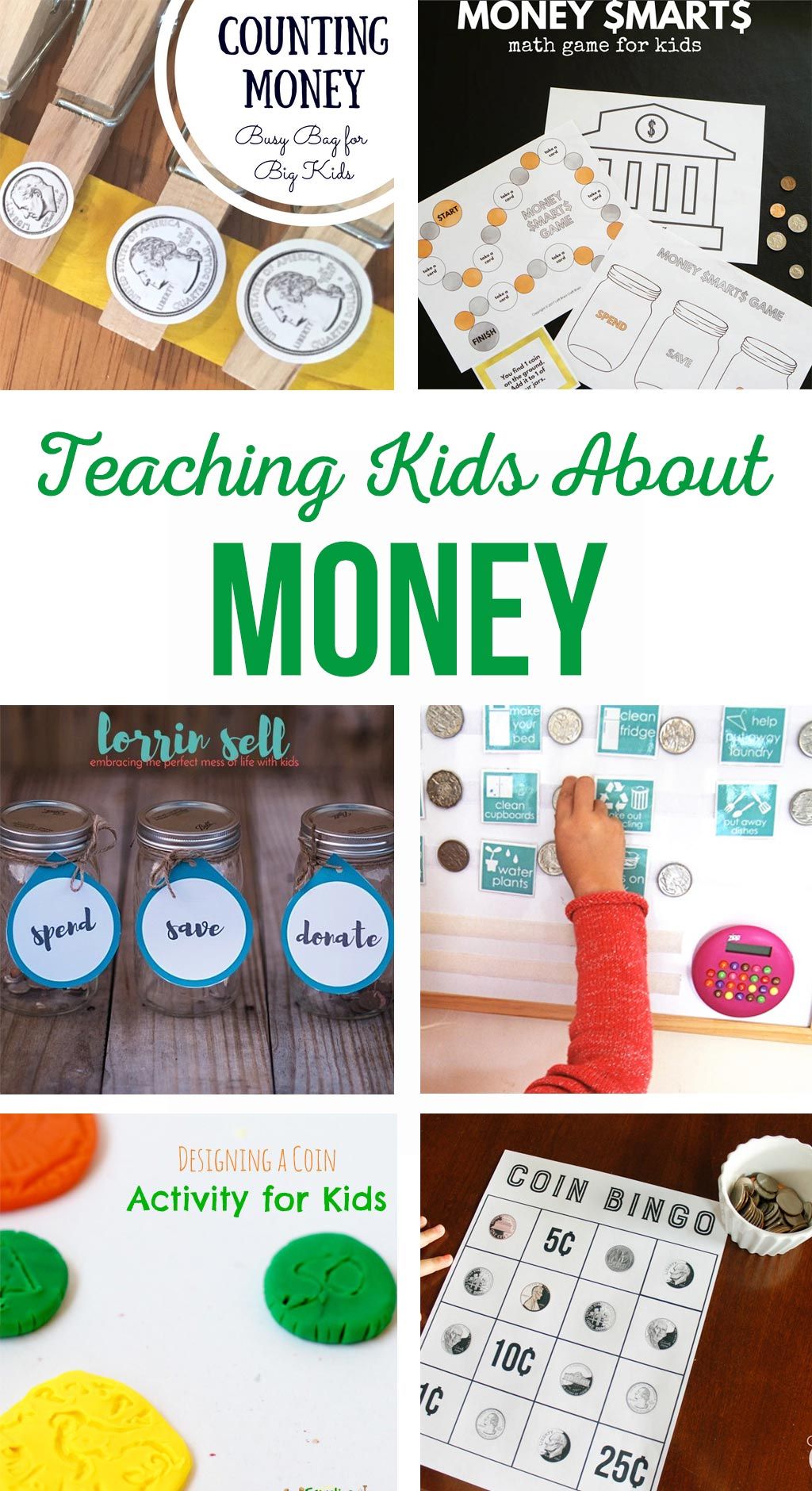
Teaching Kids About Money: Preparing them for Financial Independence
Money management is an essential life skill that every child should be equipped with from a young age. By teaching kids about money, we are setting them up for financial independence and success in the future. Fortunately, there are numerous ways parents and educators can instill valuable lessons about money in children’s lives.
1. Start early: Teaching kids about money should begin as soon as they start showing interest in it. Introduce basic concepts such as identifying coins and counting money to lay the foundation.
2. Set savings goals: Encourage children to save by helping them set achievable goals, like saving for a toy or a trip to their favorite amusement park. This helps teach delayed gratification and planning ahead.
3. Allowance system: Implementing an allowance system can be an effective way to teach kids about earning money through chores or tasks around the house. This teaches them the value of hard work and responsibility.
4. Budgeting basics: Teach children how to budget by providing clear explanations of income (allowance) versus expenses (activities, toys, etc.). Help them allocate their funds wisely so they understand the importance of prioritizing needs over wants.
5. Saving vs spending: Explain the difference between saving and spending by discussing short-term desires versus long-term goals like college education or starting a business later on in life.
6. Money jars: Utilize transparent jars labeled with different categories like “savings,” “spending,” and “charity.” Children can then divide their allowance into these jars accordingly, learning how to manage their finances effectively.
7. Teach comparison shopping: When making purchases together, involve your child in comparing prices and quality between different products or brands. This helps instill the habit of making informed decisions based on value for money.
8. Banking basics: Take your child along when you visit the bank so they can see firsthand how transactions occur. Open a bank account for them and explain concepts like interest, deposits, and withdrawals.
9. Introduce entrepreneurship: Encourage kids to explore their entrepreneurial spirit by starting small businesses, such as lemonade stands or selling handmade crafts. This teaches them the value of hard work, marketing, and managing finances.
10. Discuss credit cards: As children grow older, it becomes essential to discuss credit card usage and its potential consequences. Teach them about interest rates, debt management, and responsible borrowing.
11. Involve them in financial decisions: When appropriate, involve your child in family financial discussions like budgeting for vacations or major purchases. This helps develop critical thinking skills related to money matters.
12. Lead by example: Remember that children often learn best through observation. Display healthy money habits yourself by being transparent about your own financial decisions and demonstrating responsible spending and saving practices.
By incorporating these strategies into their lives, parents can help set their children on the path to financial independence from an early age. Teaching kids about money not only equips them with life skills but also fosters a sense of responsibility towards their own financial well-being – a skill that will serve them well throughout their lives.
 Alternative Amie
Leave a comment