Flexible Seating for Small Classrooms: Enhancing Learning Environments
Introduction:
In today’s ever-evolving educational landscape, educators are constantly seeking innovative ways to create engaging and effective learning environments. One such method gaining popularity is the implementation of flexible seating arrangements in small classrooms. This approach allows students to have more control over their physical space, promoting collaboration, creativity, and overall well-being.
Benefits of Flexible Seating:
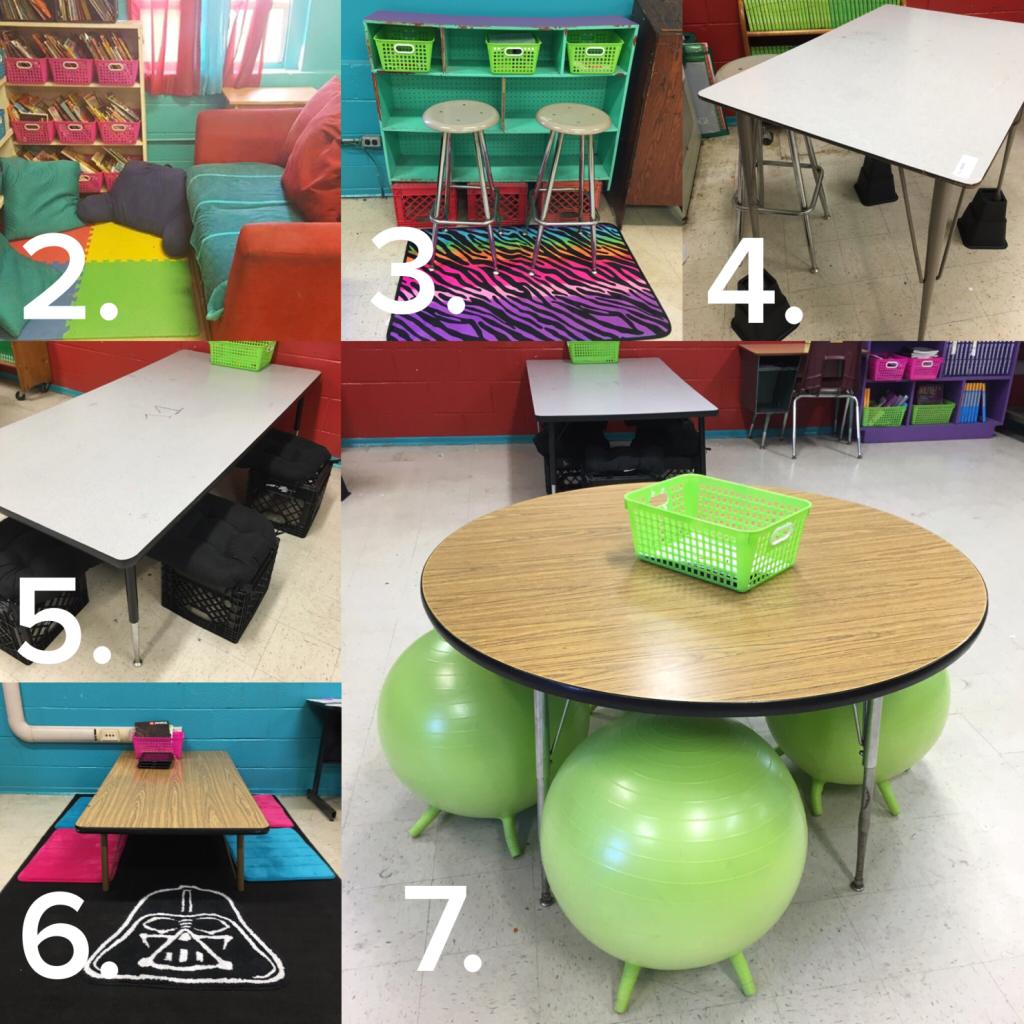
Flexible seating offers numerous benefits for both students and teachers alike. Firstly, it provides students with options that match their individual learning styles and preferences. Some may choose to work on a traditional desk or table while others opt for bean bags or floor cushions. By allowing students to select a seat that suits them best, they feel empowered and comfortable in their learning environment.
Moreover, flexible seating encourages movement throughout the day. It enables students to change positions as needed without disruptive transitions between activities. Research suggests that movement stimulates blood flow and enhances cognitive functions such as memory retention and concentration levels.
Collaboration is another significant advantage of flexible seating arrangements in small classrooms. Traditional rows of desks can hinder interaction among students; however, by using alternative furniture like standing tables or groupings of chairs around shared workspaces, it becomes easier for students to collaborate on projects effectively.
Implementing Flexible Seating:
To successfully introduce flexible seating into a small classroom setting, careful planning is crucial. Start by assessing your classroom layout and determining how different seating options can be incorporated effectively while maximizing available space.
Next, involve your students in the decision-making process. Conduct discussions about various seating choices available – from exercise balls to wobble stools – ensuring every student has an opportunity to voice their preferences.
Additionally, establish clear guidelines regarding behavior expectations when utilizing flexible seating arrangements. Teach your students about responsible decision-making when selecting seats based on task requirements rather than personal comfort alone.
Conclusion:
In conclusion, integrating flexible seating into small classrooms offers a range of benefits that foster a positive and engaging learning environment. By providing students with options, promoting movement, and encouraging collaboration, educators can enhance the overall learning experience for their students. Remember, successful implementation requires careful planning and involving students in decision-making processes. So why not embark on this exciting journey towards a more flexible and student-centered classroom?
 Alternative Amie
Leave a comment