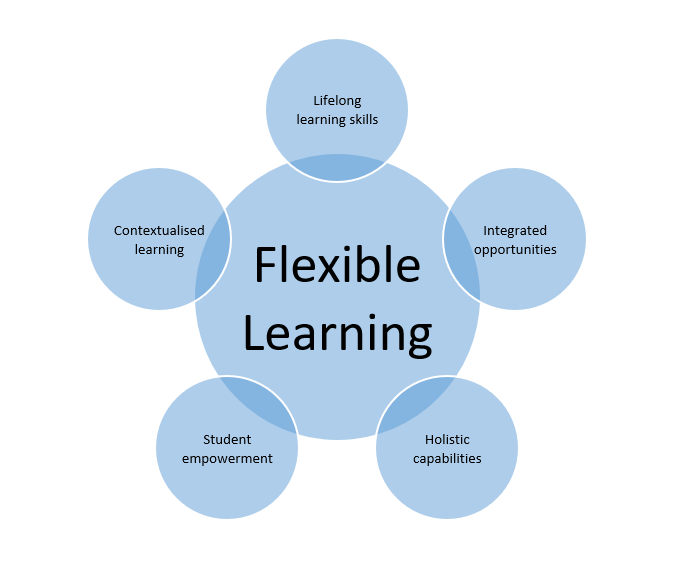
Hackschooling is a term coined by Logan LaPlante, a 13-year-old homeschooler, to describe his personalized approach to education that focuses on following one’s passions and interests. It emphasizes self-directed learning and encourages students to take control of their education. Hackschooling curriculum ideas are gaining popularity as more parents and educators seek alternative methods of teaching. Here are eight innovative hackschooling curriculum ideas that can inspire creativity and foster a love for learning.
1. Project-Based Learning: One effective way to engage students is through project-based learning. This approach allows students to explore real-world problems or topics they are interested in while developing critical thinking, problem-solving, and collaboration skills. Teachers can guide their projects by providing resources, facilitating discussions, and offering support when needed.
2. Experiential Learning: Getting out of the traditional classroom setting can be incredibly beneficial for students’ growth and development. Experiential learning involves hands-on experiences like field trips or internships that provide practical knowledge beyond textbooks. These experiences help make connections between theory and practice while fostering curiosity and engagement.
3. Flexible Schedules: Hackschooling recognizes that not all children learn at the same pace or during traditional school hours. Allowing flexible schedules enables students to work during their most productive hours while accommodating other commitments or personal interests outside of academics.
4. Individualized Learning Plans: Each student has unique strengths, weaknesses, preferences, and goals; therefore, individualized learning plans become crucial in hackschooling curricula. By tailoring lessons based on each student’s abilities and interests, educators can create an environment where learners feel motivated and empowered.
5. Passion Projects: Encouraging passion projects gives students the freedom to delve deep into subjects they are passionate about outside the regular curriculum scope.Take inspiration from Google’s “20% time” policy where employees dedicate 20% of their working hours pursuing personal projects; this can be implemented in a school setting to allow students to explore their interests.
6. Mentorship Programs: Connecting students with mentors who have expertise in their fields of interest can provide invaluable guidance and inspiration. Mentors can offer insights, share experiences, and help students develop skills and knowledge needed for their desired paths.
7. Collaborative Learning: Collaboration is an essential skill for the 21st century workforce. Hackschooling encourages collaborative learning by creating opportunities for group projects, discussions, or peer teaching sessions. This approach fosters teamwork, communication skills, empathy, and diverse perspectives.
8. Gamification: Incorporating game elements into the curriculum makes learning more engaging and enjoyable. By turning lessons into challenges or quests with rewards and achievements, educators can motivate students while promoting problem-solving abilities and a growth mindset.
In conclusion, hackschooling curriculum ideas focus on personalized learning approaches that prioritize student interests and passions. These innovative methods encourage creativity, critical thinking, collaboration skills while fostering a love for lifelong learning. By implementing project-based learning, experiential activities mentorship programs; schools can create an environment where students thrive academically while developing important life skills necessary for success in the modern world of work.
 Alternative Amie
Leave a comment