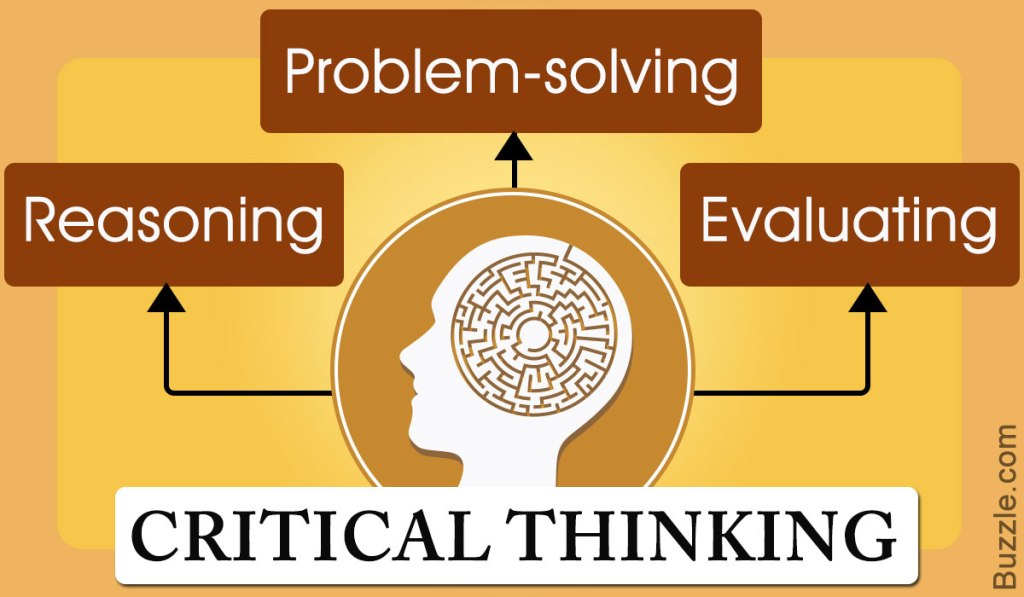
Role-playing activities have long been recognized as an effective educational tool that engages students in active learning and fosters critical thinking skills. By assuming different roles and perspectives, students are able to explore real-life situations, historical events, or even fictional scenarios. Role-playing activities provide a hands-on approach to learning that not only enhances academic knowledge but also develops important social and emotional skills.
One of the most significant benefits of role-playing activities is their ability to make learning relevant and meaningful for students. Rather than simply reading about historical figures or scientific concepts, students can step into the shoes of these individuals and experience their challenges firsthand. This immersive experience allows them to gain a deeper understanding and empathy for the subject matter they are studying.
For example, in a history class studying the American Revolution, students can participate in a mock trial where they assume the roles of key figures involved in the conflict. By researching their assigned character’s beliefs, motivations, and actions during this period, students develop a comprehensive understanding of the causes leading up to the revolution. They must then present arguments based on their character’s perspective during the trial, helping them appreciate different viewpoints within historical contexts.
In addition to fostering content knowledge acquisition, role-playing activities also promote essential 21st-century skills such as communication, collaboration, problem-solving, and decision-making. Through these activities, students learn how to effectively express themselves verbally and non-verbally while staying true to their chosen role.
Moreover, collaborating with peers during role-playing exercises requires teamwork and encourages negotiation skills. Students must work together towards common goals while considering each other’s opinions and contributions – valuable abilities that translate into future professional settings.
One particularly impactful type of role-playing activity is known as “Forum Theater.” Developed by Brazilian theater director Augusto Boal as part of his Theater of Oppressed methodology, Forum Theater aims at addressing social issues through interactive performances involving both actors (facilitators) and audience members (spect-actors).
In a classroom setting, Forum Theater can be adapted to explore various topics such as bullying, discrimination, or environmental sustainability. Students are invited to participate actively by assuming roles and improvising scenarios related to these issues. The facilitator then guides the audience in analyzing the situations presented and discussing alternative approaches or solutions.
By engaging in Forum Theater, students develop empathy for marginalized individuals and gain insights into different perspectives. They learn how their actions impact others and discover ways to create positive change within their communities.
Another form of role-playing activity that is particularly effective in language arts classes is called “Reader’s Theater.” In this activity, students take on the roles of characters from books or plays they have read. They bring these characters to life through dramatic readings without memorizing lines or using elaborate costumes and props.
Reader’s Theater allows students to improve reading fluency while enhancing their understanding of character development and dialogue. By embodying literary figures, students delve deeper into the text’s meaning and interpretation.
Additionally, role-playing activities serve as an excellent platform for teaching social-emotional skills. Through assuming diverse roles, students can explore complex emotions such as empathy, resilience, assertiveness, and conflict resolution in a safe environment.
For instance, teachers can organize a role-playing activity focused on conflict resolution strategies among classmates. By assigning roles representing conflicting parties involved in a dispute – whether it be friends arguing over limited resources or classmates dealing with cyberbullying – students learn how to communicate effectively, listen actively, find common ground, and negotiate compromises.
Furthermore, role-playing activities allow educators to address sensitive topics like mental health awareness or substance abuse prevention more comfortably. Students can step into the shoes of someone struggling with mental health issues or addiction problems during simulated counseling sessions. These experiences help reduce stigma surrounding these subjects while fostering empathy towards those facing such challenges.
While there are numerous benefits associated with incorporating role-playing activities into alternative education settings like homeschooling or Montessori schools, it is essential to consider some best practices.
Firstly, teachers should ensure that role-playing activities are age-appropriate and align with their students’ developmental levels. Younger children may benefit from more structured and guided role-playing exercises, while older students can handle more complex scenarios requiring independent decision-making.
Secondly, clear instructions and guidelines should be provided before each activity to establish boundaries and expectations regarding behavior, respect, and inclusivity. Teachers must create a safe space where all students feel comfortable participating without fear of judgment or ridicule.
Lastly, debriefing sessions after the completion of role-playing activities are crucial for reflection and learning. By discussing the experiences and insights gained during these exercises as a group, students can consolidate their knowledge and deepen their understanding further.
In conclusion, incorporating role-playing activities into alternative schooling environments provides an engaging and effective approach to education. These activities foster critical thinking skills by allowing students to assume different perspectives while making academic content relevant through immersive experiences. Additionally, they promote important social-emotional skills necessary for success in personal relationships as well as professional settings. Whether through historical reenactments or interactive performances addressing social issues like bullying or discrimination – role-playing activities offer a dynamic way for students to learn beyond textbooks while nurturing empathy, collaboration abilities, problem-solving skills, and emotional intelligence.
 Alternative Amie
Leave a comment