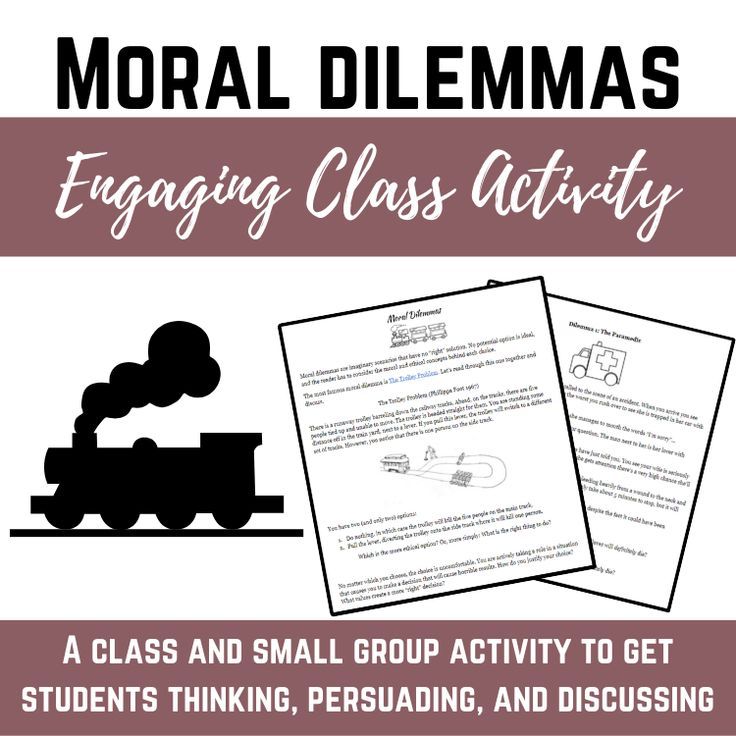
In the world of storytelling, moral dilemmas play a crucial role in engaging readers and viewers. They not only add depth to characters and plotlines but also provide valuable opportunities for personal growth and reflection. Whether it’s in books, movies, or even interactive games, exploring moral dilemmas can be an effective tool for alternative schooling and education.
One of the key benefits of incorporating moral dilemmas into storytelling is their ability to foster critical thinking skills. By presenting characters with difficult choices, young minds are encouraged to consider different perspectives and weigh the consequences of each decision. This process helps develop analytical thinking abilities that can be applied to real-life situations.
Moreover, grappling with moral dilemmas sparks empathy within individuals. It allows them to put themselves in others’ shoes and understand the complexities of human behavior. Through these narratives, students learn about ethical considerations such as honesty, justice, compassion, and fairness – values that are essential for building a strong character foundation.
Storytelling provides a safe space where students can explore different scenarios without facing actual repercussions. By observing how characters navigate challenging situations while considering their own values and beliefs, learners gain insights into their own identities and develop a better understanding of right versus wrong.
Additionally, when presented with morally ambiguous stories or conflicting decisions made by protagonists they admire or relate to, students are forced to confront the complexities of morality itself. This encourages them to question societal norms and challenge preconceived notions about what is considered “good” or “bad.” Such critical examination fosters independent thinking skills that are vital for personal growth.
Moral dilemmas in storytelling also enhance communication skills as they encourage open discussions among peers or teachers about ethical issues raised within the narrative framework. These conversations promote active listening abilities as well as respectful debate where individuals learn from one another’s perspectives while honing their argumentation skills.
In conclusion, integrating moral dilemmas into storytelling offers numerous benefits for alternative schooling approaches. From fostering critical thinking and empathy to encouraging independent thought and improving communication skills, these narratives help shape well-rounded individuals who are better equipped to navigate the complexities of life. By engaging with moral dilemmas in a safe and supportive environment, students gain valuable insights that go beyond traditional educational methods, preparing them for the challenges they may face in the real world.
 Alternative Amie
Leave a comment