Incorporating project-based learning in physical education
Physical education (PE) is an essential part of a well-rounded education. It not only promotes physical fitness and health but also teaches important life skills such as teamwork, sportsmanship, and goal-setting. Traditionally, PE has been focused on structured activities and repetitive exercises. However, incorporating project-based learning (PBL) into the PE curriculum can enhance student engagement, critical thinking skills, and overall learning outcomes.
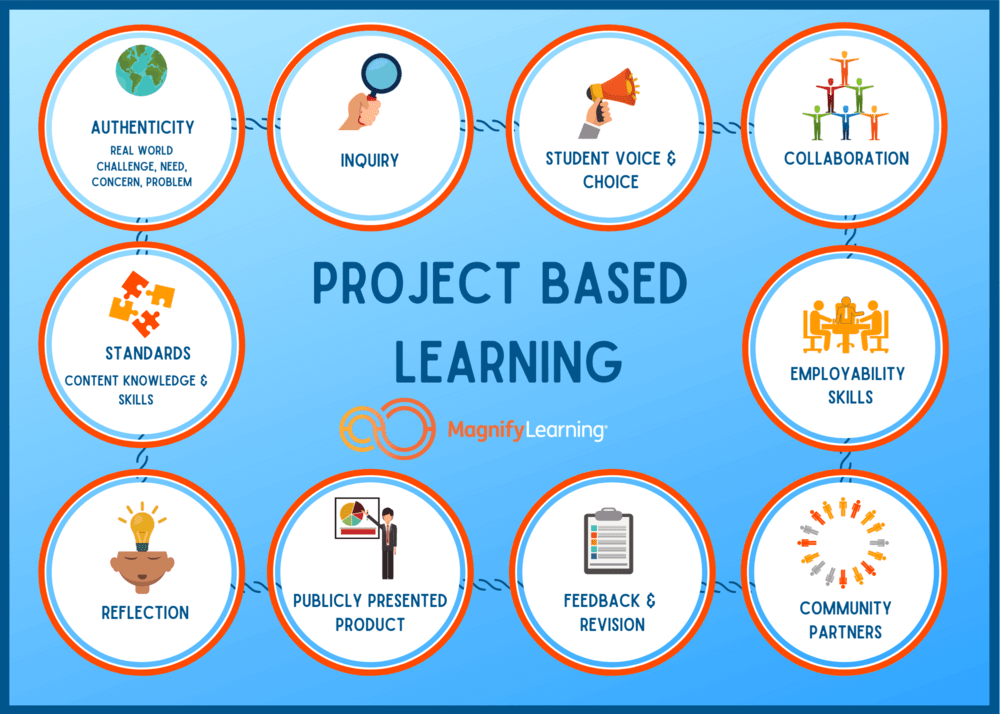
Project-based learning is a teaching approach that allows students to explore real-world problems or challenges through hands-on activities. It involves collaborative work, research, planning, and presentation of findings or solutions. By applying this approach to PE classes, students have the opportunity to apply their knowledge of sports and fitness in practical contexts while developing valuable skills.
One example of incorporating PBL in PE is by organizing a fitness challenge for the entire school community. Students can form teams and design workout routines targeting various muscle groups or cardiovascular endurance levels. They will need to conduct research on effective exercise techniques, create detailed plans for their workouts, and track their progress over time.
This project not only encourages physical activity but also fosters critical thinking and problem-solving skills as students analyze different training methods and adapt them according to individual needs within their team. Additionally, it promotes collaboration among team members as they work together towards achieving common goals.
Another way to incorporate PBL in PE is by creating an outdoor adventure program where students plan and execute a hiking trip or an obstacle course race event. In this project, students will learn about safety precautions for outdoor activities while developing problem-solving skills necessary for navigating unfamiliar terrain.
They will also gain experience in logistics management as they organize transportation arrangements, map out routes or obstacles courses using technology tools like GPS devices or smartphone applications if available at school resources permit so), procure necessary equipment like tents or climbing gear if needed). This type of project not only enhances physical fitness but also promotes teamwork, leadership skills, and resilience.
Furthermore, integrating PBL into PE can involve creating a community wellness initiative. Students can research prevalent health issues in their community and design programs to address them. For example, they may organize workshops on healthy eating or exercise for local residents or conduct fitness assessments at senior centers.
In this project, students will develop research skills as they gather data about the community’s health needs and create evidence-based interventions or initiatives to promote well-being. They will also learn about advocacy and how to effectively communicate health information to different target audiences.
Additionally, incorporating PBL in PE can be done through organizing sports tournaments or events that require students to take on various roles such as event planners, coaches, referees, or commentators. This project allows students to experience the behind-the-scenes aspects of sports management while developing leadership skills and a deeper understanding of fair play and sportsmanship.
To facilitate successful implementation of PBL in PE classes, teachers should provide clear guidelines and expectations for each project while allowing flexibility for student creativity and innovation. They should also provide necessary resources such as technology tools (if available), access to relevant literature or websites related to specific projects topics), support collaboration among team members by encouraging effective communication strategies like regular meetings or online discussion forums if feasible given school resources).
Assessment of student work in PBL projects can be done through rubrics that evaluate both content knowledge acquisition (e.g., accuracy of researched information) as well as process skills development (e.g., ability collaborate effectively). Teachers may also consider including self-reflection components where students evaluate their own learning experiences within each project.
In conclusion, incorporating project-based learning in physical education has numerous benefits for students’ overall development. It enhances engagement by providing opportunities for hands-on learning experiences related real-world problems challenges). It fosters critical thinking problem-solving skills necessary navigating complex situations physical activity settings). Furthermore it promotes collaboration teamwork among peers develops leadership qualities required organizing executing successful projects. By integrating PBL into PE curriculum, educators can create more meaningful learning experiences that empower students to become active participants in their own health and well-being.
 Alternative Amie
Leave a comment