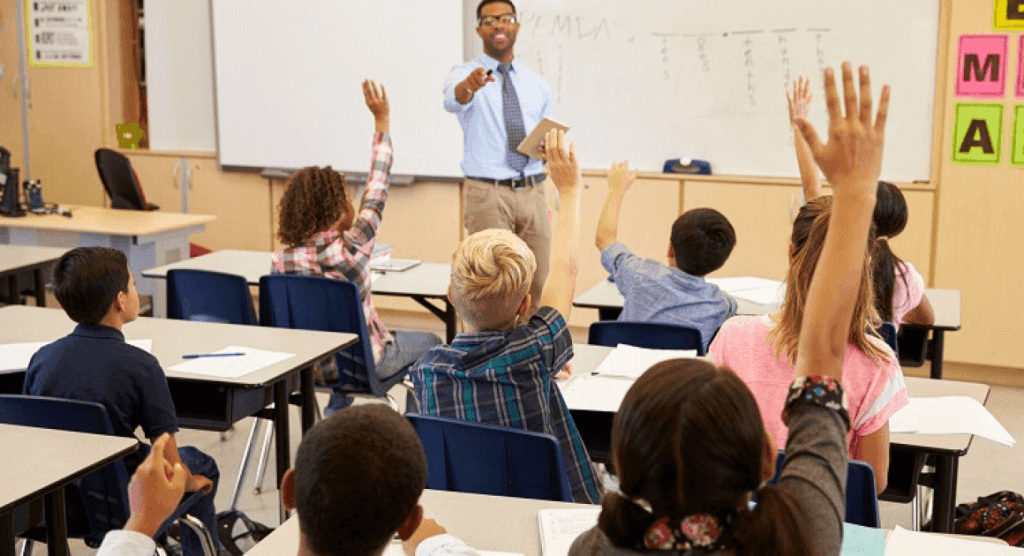
Urban Education: Nurturing Minds in the Concrete Jungle
Education is a fundamental right for every child, regardless of their background or location. However, urban education often faces unique challenges due to the complex social and economic dynamics found within cities. In these bustling concrete jungles, schools play a crucial role in shaping young minds and preparing students for success in an ever-changing world.
One of the key challenges faced by urban educators is the socio-economic disparities that exist among students. Urban areas are often characterized by high poverty rates and limited resources, which can impact a student’s ability to thrive academically. Many students come from disadvantaged backgrounds where access to quality education may be restricted due to financial constraints or inadequate infrastructure.
To address these challenges, alternative approaches to urban education have emerged. These innovative methods aim to create inclusive learning environments that empower students and bridge the gap between opportunity and achievement. One such approach is community engagement, where schools actively involve parents, local organizations, and residents in shaping curriculum and providing support services.
Additionally, alternative schools offer flexible teaching methodologies that cater to individual needs rather than adhering strictly to traditional models. Personalized learning plans allow educators to tailor instruction based on each student’s strengths, interests, and learning styles. This approach enhances student engagement while fostering self-confidence and autonomy.
Another aspect of urban education reform involves addressing systemic issues such as overcrowded classrooms and high teacher turnover rates. Smaller class sizes enable teachers to provide personalized attention while fostering stronger relationships with their students. Moreover, investing in professional development programs ensures continuous growth for educators so they can adapt their teaching practices according to evolving educational standards.
Beyond classroom walls lies another realm ripe with potential—the integration of technology into urban education systems holds immense promise for enhancing student outcomes. With increased access to digital devices like tablets or laptops coupled with internet connectivity initiatives geared towards underserved communities; online resources provide valuable tools for independent learning outside conventional school hours.
Urban environments also present unique opportunities for experiential learning. By harnessing the richness of their surroundings, educators can transform city streets into vibrant classrooms. Field trips to museums, art galleries, historical sites, and local businesses expose students to diverse cultures, careers, and real-life experiences that ignite curiosity and foster a well-rounded education.
To ensure sustainable change in urban education systems, collaboration between different stakeholders is crucial. Partnerships with local government agencies, non-profit organizations, businesses, and universities can contribute resources that enhance educational opportunities. These collaborations also facilitate mentorship programs and internship opportunities that expose students to various career pathways beyond high school.
Furthermore, the inclusion of social-emotional learning (SEL) in urban education curricula is vital for supporting students’ holistic development. SEL equips young learners with essential life skills such as self-awareness, empathy, resilience, and responsible decision-making—skills that are necessary for success both inside and outside the classroom.
While progress has been made in addressing urban educational challenges through alternative schooling approaches; systemic change must remain a priority. Adequate funding allocation at state and federal levels is necessary to bridge resource gaps among schools located in low-income areas compared to wealthier neighborhoods. Additionally, policy reforms should aim to reduce standardized testing pressures while promoting innovative assessment methods that capture a student’s overall growth rather than relying solely on test scores.
In conclusion; urban education faces distinctive hurdles stemming from socio-economic disparities but holds immense potential for transformative change. Through community engagement initiatives combined with personalized teaching methodologies tailored towards individual needs; alternative schools aim to nurture resilient minds capable of conquering any obstacle they may face within our complex world. By embracing technology integration while fostering experiential learning opportunities coupled with partnerships across multiple sectors; we pave the way toward an inclusive urban education system where every child thrives regardless of their zip code or background
 Alternative Amie
Leave a comment