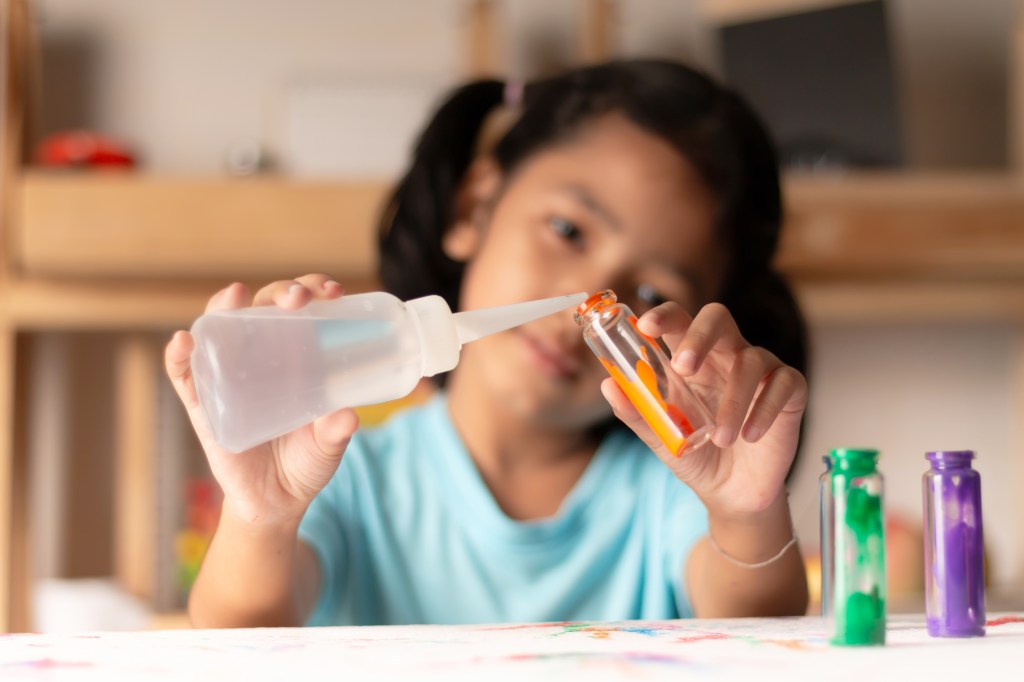
Experiential Science Labs: A Hands-On Approach to Learning
In traditional education settings, science is often taught through lectures and textbooks. While these methods are essential for building foundational knowledge, they can sometimes leave students disconnected from the subject matter. This is where experiential science labs come in – providing a hands-on approach that allows students to engage with scientific concepts in a practical and meaningful way.
Experiential science labs are designed to foster curiosity, critical thinking, and problem-solving skills among students. By immersing themselves in real-world experiments, learners gain a deeper understanding of scientific principles while also developing valuable laboratory techniques. These labs provide opportunities for students to see firsthand how theories and concepts apply to the world around them.
One popular type of experiential lab is the biology lab. Here, students may dissect organisms or study their behavior in controlled environments. For example, students might observe plant growth under different conditions or investigate the impact of pollutants on aquatic life forms. By actively participating in these experiments, learners not only enhance their knowledge but also develop an appreciation for the delicate balance of ecosystems.
Chemistry labs are another staple of experiential science education. In these labs, students get hands-on experience with chemical reactions by mixing substances and observing changes such as color shifts or gas production. Through experimentation, they learn about concepts like stoichiometry (the study of reactant ratios), acid-base reactions, and oxidation-reduction processes. Experiencing chemical phenomena firsthand helps solidify theoretical knowledge while also promoting safety awareness within the laboratory setting.
Physics lends itself beautifully to experiential learning as well. Students can experiment with gravity by dropping objects from varying heights or explore motion through activities like constructing roller coasters or studying projectile motion using catapults or pendulums. These interactive demonstrations allow learners to grasp abstract physical laws more effectively by seeing them in action rather than trying to comprehend them solely through equations.
Apart from the traditional sciences, experiential labs can also be incorporated into interdisciplinary subjects. For instance, environmental science labs may involve field trips to study local ecosystems or measure air and water quality. Engineering labs might focus on designing and constructing structures using basic materials like popsicle sticks or straws. By integrating different disciplines, students gain a holistic understanding of scientific concepts in real-world contexts.
One key advantage of experiential science labs is that they cater to diverse learning styles. Visual learners benefit from observing experiments, while kinesthetic learners thrive by actively participating in hands-on activities. These labs also encourage collaboration among students as they work together on projects, fostering teamwork skills that are essential for future careers in science and beyond.
In conclusion, experiential science labs provide an invaluable opportunity for students to engage with scientific concepts through practical experimentation. By immersing themselves in hands-on activities across various scientific disciplines, learners not only deepen their understanding but also develop crucial problem-solving and critical thinking skills. Experiential labs foster curiosity and a love for learning by allowing students to see the relevance of scientific principles in everyday life. With their ability to accommodate different learning styles and promote collaboration, these labs play a vital role in alternative schooling approaches focused on providing well-rounded education experiences for all students.
 Alternative Amie
Leave a comment