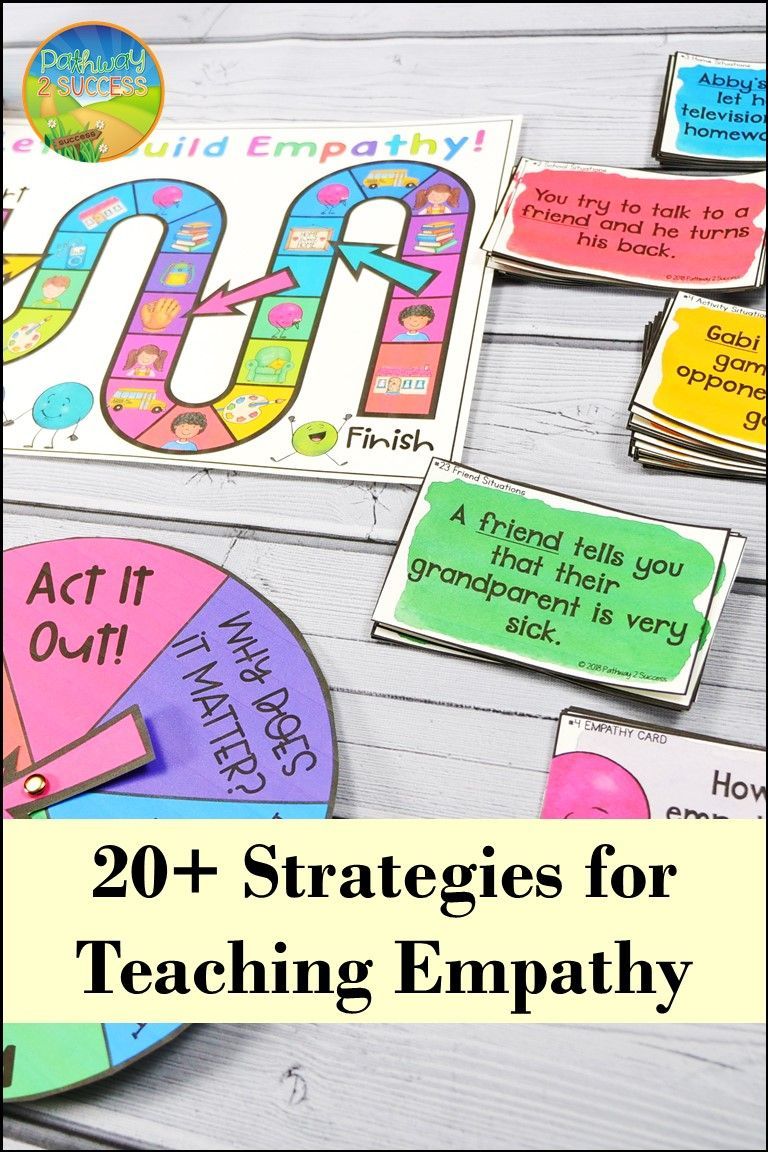
Teaching empathy and perspective-taking through dialogue is an essential aspect of alternative schooling and education. While traditional educational methods often focus solely on academic achievement, alternative schools recognize the importance of nurturing social-emotional skills in students. By engaging students in meaningful conversations that encourage empathy and perspective-taking, educators can help cultivate a more compassionate and understanding society.
One effective approach to teaching empathy is through the use of literature. Reading books that depict diverse characters from various backgrounds helps students develop a better understanding of different perspectives. Through class discussions, students can explore how these characters navigate challenges and learn to see the world from their point of view. This not only enhances their ability to empathize but also broadens their own worldview.
Another powerful tool for promoting empathy is storytelling. By sharing personal stories or inviting guest speakers who have experienced adversity, educators create opportunities for students to connect with others’ experiences on a deep level. These stories allow students to step into someone else’s shoes, fostering compassion and encouraging them to consider multiple perspectives before making judgments or taking action.
In addition to literature and storytelling, structured dialogues provide an excellent platform for developing empathy skills. Dialogue sessions involve open-minded discussions where participants are encouraged to listen actively while respecting different viewpoints. Educators play a crucial role in facilitating these dialogues by setting guidelines that promote respectful communication, such as using “I” statements instead of attacking others’ beliefs or opinions.
Role-playing exercises further enhance the development of empathy by allowing students to embody different perspectives firsthand. By assuming another person’s persona, learners gain insight into their motivations, fears, and aspirations—ultimately leading them toward greater understanding and tolerance. Role-playing activities can be based on real-life scenarios or historical events which challenge preconceived notions while encouraging critical thinking.
Technology also offers innovative ways to foster empathy among students. Virtual reality (VR) simulations enable individuals to immerse themselves in situations they might never encounter otherwise—for example, experiencing life as a refugee or living with a disability. This immersive technology helps students develop empathy by providing an opportunity to understand the challenges faced by others in a realistic and impactful way.
Moreover, community service projects play an integral role in teaching empathy and perspective-taking. By engaging students in activities that benefit their local communities, they gain firsthand experience of the struggles faced by marginalized groups. Students learn to empathize through direct interaction and actively contribute towards making positive changes.
Lastly, it is important for educators to model empathy themselves. Teachers who demonstrate compassion, respect, and understanding create an environment that encourages students to do the same. By acknowledging diverse perspectives within the classroom and treating each student as an individual with unique experiences, teachers foster empathy among learners.
In conclusion, teaching empathy and perspective-taking through dialogue is vital for alternative schooling and education systems. By incorporating literature, storytelling, structured dialogues, role-playing exercises, virtual reality simulations, community service projects, and modeling empathetic behavior into curricula or educational environments; educators can help shape compassionate individuals capable of understanding different perspectives. These skills are essential for building a more inclusive society where individuals interact respectfully despite their differences—a goal that alternative schools strive towards achieving.
 Alternative Amie
Leave a comment