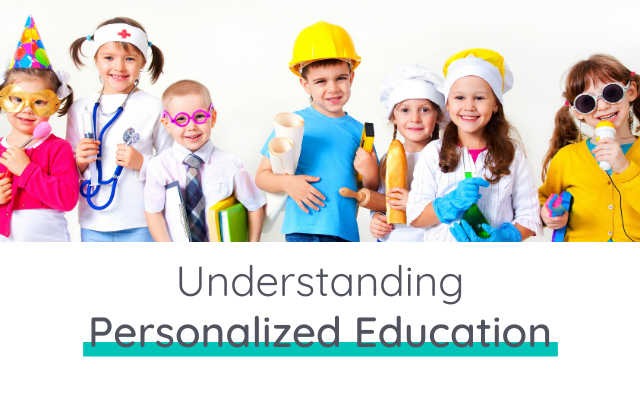
Personalized learning has become a buzzword in education, as it offers a tailored approach to meet the unique needs and interests of each student. In alternative schooling and education environments, personalized learning takes center stage, providing students with opportunities for individual growth and success. Here are 27 initiatives that can be implemented in alternative schools to enhance personalized education.
Adaptive learning platforms play a crucial role in personalizing the educational experience. These online tools use algorithms to adjust content and pacing based on each student’s strengths, weaknesses, and progress. By adapting to students’ specific needs, these platforms ensure that they are challenged appropriately while receiving necessary support.
Individualized curriculum design is another key component of personalized learning. Instead of following a fixed curriculum for all students, teachers create customized plans that align with each student’s interests, abilities, and goals. This approach empowers students by giving them ownership over their education and allowing them to explore subjects they are passionate about.
Project-based learning approaches engage students in hands-on activities that foster critical thinking skills and real-world application of knowledge. By working collaboratively on meaningful projects, students develop problem-solving abilities while deepening their understanding of concepts.
Differentiated instruction techniques allow teachers to tailor their teaching methods to accommodate diverse learners within a classroom setting. This approach recognizes that every student learns differently and ensures that instruction is adapted accordingly through various strategies such as flexible grouping or modifying assignments.
Competency-based education models focus on mastering specific skills or competencies rather than solely completing coursework within a set timeframe. Students progress at their own pace until they demonstrate proficiency in each area before moving forward. This model promotes mastery rather than mere completion of tasks.
Personal learning plans provide an individual roadmap for each student’s academic journey by outlining goals, strategies for achieving those goals, and ways to track progress along the way. These plans serve as guiding documents throughout the year and help keep both students and educators accountable.
Self-paced learning strategies enable students to learn at their own speed, allowing them to delve deeper into subjects of interest or spend more time on challenging concepts. This flexibility encourages students to take ownership of their learning and promotes intrinsic motivation.
Gamification in personalized learning integrates game elements, such as rewards and competition, into the educational process. By incorporating these elements, educators can increase student engagement and motivation while fostering a love for learning.
Blended learning environments combine traditional face-to-face instruction with online resources and activities. This approach allows students to access content anytime, anywhere, and provides opportunities for personalized instruction through virtual platforms.
Student-centered assessment methods shift the focus from grades to understanding. Instead of relying solely on standardized tests or exams, educators use a variety of assessments that allow students to demonstrate their knowledge through projects, presentations, portfolios, or other creative means.
Multimodal instructional resources cater to diverse learning styles by presenting information through various formats like videos, podcasts, interactive websites, or hands-on materials. These resources ensure that every student has access to content in a way that suits their individual preferences and needs.
Customized educational technology tools enhance personalization by providing tailored experiences for each student. Whether it’s adaptive software programs or digital platforms designed specifically for alternative schooling settings, these tools offer opportunities for individualized learning experiences.
Mentorship and coaching programs connect students with experienced professionals who provide guidance and support in their academic journey. These relationships foster personal growth while offering real-world insights into potential career paths.
Flexible scheduling options accommodate the unique needs of alternative school students who may have external commitments or require additional support outside traditional school hours. Different time structures allow learners more control over when they study certain subjects or engage in extracurricular activities.
Social-emotional support is vital in personalized education settings as it addresses the holistic development of each student. Alternative schools prioritize creating a safe and supportive environment where social-emotional skills are taught explicitly alongside academics.
Personalized career exploration and guidance empower students to explore different career paths and make informed decisions about their future. Through internships, job shadowing, or career counseling, students gain practical experience and insight into potential careers.
Community partnerships provide opportunities for real-world connections by collaborating with local businesses, organizations, or experts in various fields. These partnerships offer authentic learning experiences and expose students to different perspectives and opportunities beyond the classroom.
Personalized learning for students with special needs ensures that individualized support is provided to meet each student’s unique requirements. Alternative schools often have specialized programs or resources tailored specifically for students with diverse abilities.
Data-driven decision-making in personalized education uses collected data on student performance to inform instructional practices and personalize interventions. By analyzing trends and patterns in student data, educators can make informed decisions to improve individual outcomes.
Personalized feedback and reflection practices encourage self-assessment and growth mindset among learners. Teachers provide specific feedback that highlights strengths and areas for improvement while encouraging students to reflect on their own progress.
Culturally responsive teaching approaches acknowledge the cultural backgrounds of students within alternative schooling environments. Educators incorporate diverse perspectives into the curriculum, ensuring that all learners feel included, valued, and represented.
Personalized language acquisition programs cater to English language learners by providing targeted instruction based on their proficiency levels. These programs focus on developing language skills through engaging activities that align with each student’s linguistic goals.
Individualized college and career readiness preparation helps guide alternative school students towards post-secondary education or vocational training options suited to their interests and aspirations. This includes assistance with college applications, scholarship searches, or resume building workshops.
Personalized financial literacy education equips students with essential financial management skills needed for adulthood. Alternative schools may offer courses or workshops focused on budgeting, banking basics, investment strategies, or other aspects of personal finance.
Experiential learning opportunities within personalized education allow students to apply knowledge gained in the classroom through real-world experiences such as field trips, service-learning projects, or internships. These hands-on experiences deepen understanding and help students develop essential skills.
Personalized physical education and wellness programs recognize that each student has unique health needs and interests. Alternative schools offer personalized fitness plans, nutrition guidance, and wellness activities to promote overall well-being.
Personalized arts and creativity development initiatives provide opportunities for students to explore their artistic talents and passions. This includes specialized art classes, music lessons, theater programs, or other creative outlets tailored to individual interests.
In conclusion, personalizing education in alternative schooling settings involves a variety of strategies and initiatives that cater to the diverse needs of students. By implementing these approaches, alternative schools can create an inclusive environment where every learner can thrive academically, socially-emotionally, and personally.
 Alternative Amie
Leave a comment