Unschooling: A Path to Alternative Education
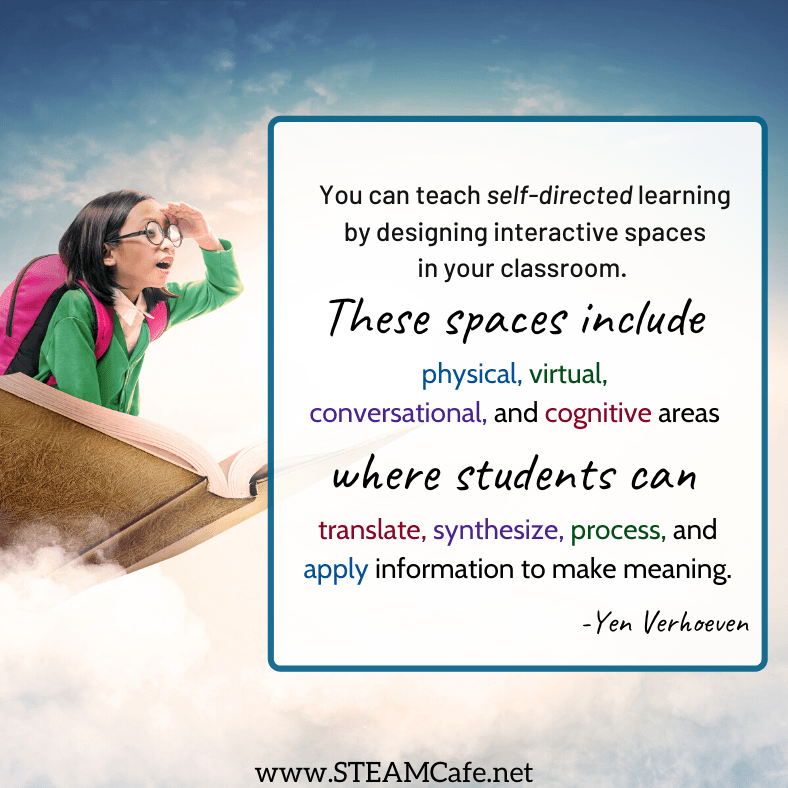
In recent years, the concept of unschooling has gained significant attention as an alternative approach to education. Unlike traditional schooling methods that follow a structured curriculum and set of standards, unschooling emphasizes self-directed learning and exploration. This innovative educational philosophy believes in nurturing children’s natural curiosity and interests, allowing them to learn at their own pace and in their own unique ways.
Unschooling challenges the conventional belief that education must take place within the four walls of a classroom. Instead, it encourages parents or guardians to facilitate real-life experiences for children, providing them with the freedom to pursue topics that genuinely interest them. Unschoolers often engage in hands-on projects, field trips, community involvement, and discussions with experts in various fields.
One of the core principles of unschooling is trust in a child’s innate ability to learn. Advocates argue that when children are given autonomy over their own education, they become more motivated and engaged learners. By following their passions and pursuing subjects they are genuinely interested in, children develop a deeper understanding of those areas while also acquiring essential life skills such as critical thinking, problem-solving abilities, and self-motivation.
Another fundamental aspect of unschooling is flexibility. Without rigid schedules or standardized tests dictating what should be taught when or how fast one should progress through subjects, unschooled children have the freedom to explore topics deeply or change directions entirely without feeling pressured by arbitrary deadlines.
Unschoolers often rely on resources beyond textbooks and classrooms for learning opportunities. They utilize libraries extensively for access to books on diverse subjects tailored specifically to their interests. Online platforms provide access to educational videos, tutorials from experts worldwide, interactive courses tailored explicitly for individual learners’ needs.
Critics argue that unschooled students may lack socialization opportunities typically provided by conventional schools. However, proponents counter this claim by highlighting how unschooled children interact with people of all ages in real-world settings, fostering a broader sense of community and social skills that extend beyond their peers.
Unschooling also allows parents or guardians to play an active role in their child’s education. Instead of simply supervising, they act as facilitators, guiding children towards resources and experiences that align with their interests. This approach promotes strong parent-child relationships based on trust and collaboration.
One concern often raised is the transition from unschooling to higher education or traditional schooling systems. However, numerous success stories show that unschooled students have excelled academically when they choose to pursue further education. Universities and colleges increasingly recognize the value of self-directed learning experiences and unique skill sets acquired through unschooling.
While unschooling may not be suitable for every family or child, it offers an alternative educational path for those seeking a more personalized approach to learning. By embracing individuality, curiosity, flexibility, and hands-on experiences, unschoolers cultivate a love for lifelong learning that extends far beyond conventional academics.
In conclusion, unschooling challenges the traditional model of education by empowering children to take control of their own learning journey. Through self-direction and exploration driven by genuine interests, unschooled children develop critical thinking skills while acquiring deep knowledge about subjects they are passionate about. Although this approach might not suit everyone’s preferences or circumstances, it provides an innovative option for families looking for alternative approaches to education that prioritize individualism and holistic development.
 Alternative Amie
Leave a comment