Sensory Processing Differences: Understanding and Supporting Children’s Unique Needs
Introduction:
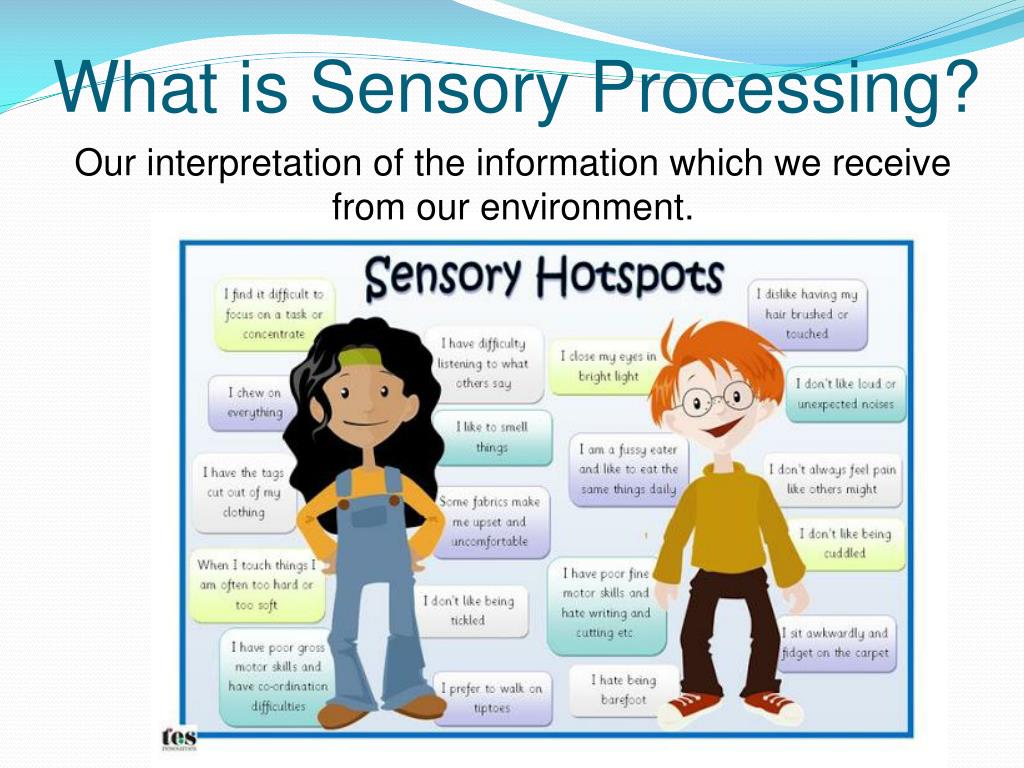
In a classroom setting, children come from diverse backgrounds with varying abilities, strengths, and challenges. One aspect that significantly affects their learning experience is sensory processing differences. Sensory processing refers to the way the nervous system receives and responds to sensory information from our environment. Some children may be oversensitive or undersensitive to certain sensory stimuli, leading to difficulties in regulating their responses.
Understanding Sensory Processing Differences:
To create an inclusive learning environment that meets the needs of all students, it is crucial for educators and parents to understand sensory processing differences. There are three primary types of sensory processing differences: sensory overresponsivity (hypersensitivity), sensory underresponsivity (hyposensitivity), and sensory seeking.
1. Sensory Overresponsivity:
Children who are hypersensitive tend to have heightened reactions to various stimuli such as sounds, lights, textures, or smells. They might become easily overwhelmed by loud noises like fire alarms or crowded environments like school cafeterias. These children may exhibit avoidance behaviors such as covering their ears or avoiding specific activities due to discomfort caused by certain sensations.
Strategies for supporting children with sensory overresponsivity:
– Create a calm and quiet space within the classroom where students can retreat when feeling overwhelmed.
– Provide noise-canceling headphones for reducing auditory input during noisy activities.
– Gradually expose them to challenging situations while providing support and reassurance.
– Incorporate visual schedules so they can anticipate transitions and reduce anxiety.
2. Sensory Underresponsivity:
Children who are hyposensitive often have difficulty registering or responding adequately to sensory information. They may appear unresponsive or disengaged in stimulating environments because they require more intense stimulation than others do in order to notice it. These individuals might not react appropriately when touched lightly or may seem oblivious even when there is a strong smell nearby.
Strategies for supporting children with sensory underresponsivity:
– Use multisensory approaches to engage them in learning, such as incorporating tactile materials during reading or writing activities.
– Encourage movement breaks to stimulate their senses and increase alertness.
– Gradually expose them to different sensory experiences by providing a variety of textures, smells, or tastes.
– Allow extra time for processing information and provide visual cues alongside verbal instructions.
3. Sensory Seeking:
Children who are sensory seekers actively seek out intense sensory stimulation. They may constantly touch objects, crash into furniture, or crave deep pressure sensations. These children often have difficulty staying still and might appear fidgety or restless.
Strategies for supporting children with sensory seeking behaviors:
– Create structured opportunities for movement breaks during the day to fulfill their need for physical activity.
– Provide alternative seating options like exercise balls or wobble cushions that allow for continuous movement while remaining seated.
– Offer hands-on activities that incorporate various textures and encourage tactile exploration.
– Implement calming techniques such as deep pressure activities (e.g., weighted blankets) to help regulate their energy levels.
Collaborative Approach: Educators and Parents working together
To effectively support children with sensory processing differences, it is essential for educators and parents to collaborate closely. By sharing observations about the child’s behavior across different environments, they can develop consistent strategies that will benefit the child both at home and at school.
Tips for collaboration between educators and parents:
1. Regular communication: Maintain an open line of communication where both parties can discuss concerns, improvements, and successes related to the child’s sensory needs regularly.
2. Shared resources: Share helpful articles, books or attend workshops together to deepen understanding of sensory processing differences.
3. Consistency: Establish consistent routines across home and school settings so that the child feels secure in predictable patterns throughout the day.
4. Individualized plans: Develop individualized plans (such as Individualized Education Programs – IEPs) that outline specific strategies to support the child’s sensory needs.
Inclusive Classroom Environment:
Creating an inclusive classroom environment involves making a few modifications that benefit all children, regardless of their sensory processing differences. Some general strategies include:
1. Sensory-friendly classroom design: Create a visually appealing and clutter-free space with appropriate lighting levels.
2. Flexible seating options: Allow students to choose from various seating options such as bean bags, floor cushions, or standing desks to accommodate different sensory preferences.
3. Visual aids: Use visual schedules, charts, or diagrams to provide clear instructions and help students anticipate daily activities.
4. Noise management: Implement noise reduction strategies like carpets or curtains for absorbing sound in classrooms.
5. Sensory breaks: Incorporate regular sensory breaks where children can engage in calming activities like deep breathing exercises or stretching.
Conclusion:
Understanding and supporting children with sensory processing differences is crucial for creating a nurturing learning environment that caters to all students’ unique needs. By recognizing the three primary types of sensory processing differences (overresponsivity, underresponsivity, seeking), educators and parents can implement effective strategies that facilitate participation and engagement among these students. Collaborative efforts between educators and parents play a vital role in ensuring consistency across different settings while promoting inclusive practices for all learners within an alternative schooling and education context.
 Alternative Amie
Leave a comment