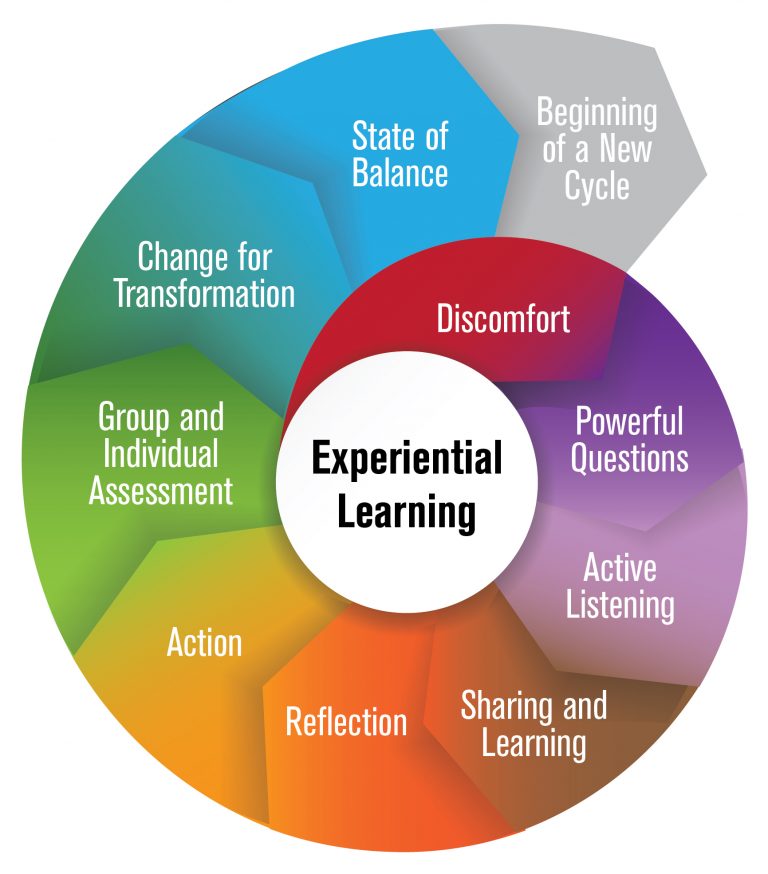
Experiential Education: An Engaging Path to Learning
Education is an essential aspect of our lives, shaping individuals into knowledgeable and capable members of society. However, traditional classroom-based learning often fails to fully engage students, leaving them disconnected from the subject matter. This is where experiential education comes in—a dynamic approach that promotes active participation and hands-on learning experiences.
Experiential education focuses on practical application rather than rote memorization. It encourages students to explore concepts through direct engagement and personal experience. By immersing themselves in real-world scenarios, learners are exposed to a multitude of skills that extend beyond textbook knowledge.
One significant advantage of experiential education is its ability to foster critical thinking and problem-solving skills. Students are encouraged to analyze situations, identify challenges, and devise effective solutions—skills crucial for success in today’s rapidly evolving world. Whether it be participating in group projects or taking part in community service initiatives, these experiences help cultivate teamwork, adaptability, and leadership abilities.
Furthermore, experiential learning enhances retention rates by making knowledge more memorable. When students actively participate in their own education through hands-on activities such as experiments or field trips relevant to the subject matter at hand, they gain a deeper understanding of the material being taught. As a result, they are more likely to retain this knowledge long-term compared to simply relying on lectures or textbooks.
Beyond academic enrichment, experiential education also nurtures personal growth by promoting self-confidence and resilience within students. Through facing challenges head-on outside the conventional classroom setting—be it a wilderness expedition or cultural exchange program—they develop independence and learn how to adapt effectively when confronted with unfamiliar circumstances.
Moreover, experiential education instills empathy within learners by exposing them firsthand to different cultures and perspectives. Immersive experiences like volunteering at local organizations allow students not only to understand societal issues but also develop compassion towards others’ struggles—an invaluable life skill that promotes inclusivity and understanding.
In conclusion, experiential education offers a fresh approach to learning that goes beyond traditional classroom boundaries. By placing students directly in real-world situations, it fosters critical thinking, problem-solving abilities, and enhances knowledge retention. Moreover, it nurtures personal growth and empathy within learners. As we strive to create well-rounded individuals capable of tackling the challenges of tomorrow, embracing experiential education is an essential step towards achieving this goal.
 Alternative Amie
Leave a comment