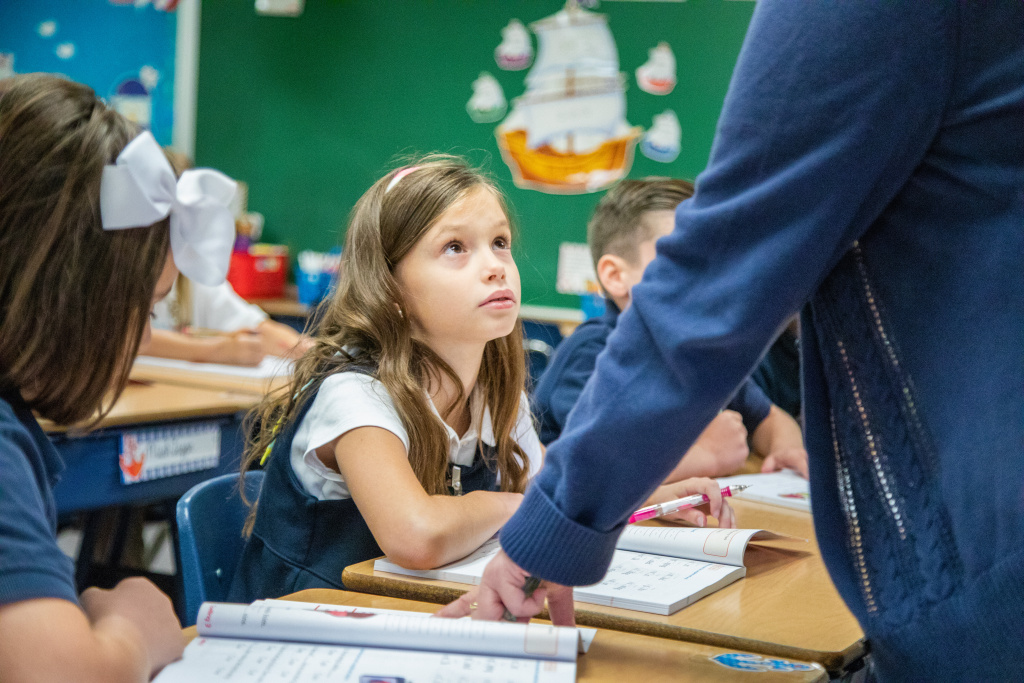
Individualized Instruction: A Tailored Approach to Education
In the traditional classroom setting, students are often expected to conform to a standardized curriculum and teaching methods. However, this one-size-fits-all approach does not always cater to the unique needs and learning styles of each individual student. This is where individualized instruction comes into play – an educational approach that tailors the learning experience to meet the specific strengths, weaknesses, interests, and pace of each learner.
Individualized instruction recognizes that every student has different abilities, preferences, and learning styles. It seeks to create a personalized education plan for each student by assessing their needs and designing instructional strategies accordingly. By doing so, it aims to optimize student engagement and achievement while fostering a deeper love for learning.
One of the key benefits of individualized instruction is its ability to address diverse skill levels within a single classroom. In a traditional setting, students who grasp concepts quickly may become bored or disengaged due to repetitive lessons catering primarily towards those who require more time for understanding. Conversely, struggling students can easily fall behind if they are unable to keep up with their peers’ pace.
However, with individualized instruction techniques such as differentiated assignments or flexible grouping based on proficiency levels, teachers can better meet the needs of all learners simultaneously. Gifted students can be challenged with advanced material while others receive additional support or reinforcement in areas where they struggle. This way, no student feels left behind or held back by their classmates’ level of understanding.
Furthermore, individualization allows educators to tap into students’ interests and passions when designing lesson plans. By incorporating topics that resonate with each learner’s personal experiences or hobbies into their education journey , teachers can foster greater enthusiasm and motivation among students.
For instance , instead of assigning a generic book report topic on classic literature which might not spark everyone’s interest equally , allowing them freedom in selecting books from various genres could ignite passion for reading . Similarly , math problems can be tailored to real-life scenarios students are passionate about, such as sports or music, making the subject more relatable and engaging.
Individualized instruction also recognizes that students have different learning styles. While some learners may thrive in a visual environment, others may prefer auditory or kinesthetic approaches to grasp concepts effectively. By incorporating varied instructional strategies like visual aids, hands-on activities, or audio recordings into lesson plans , teachers can cater to these diverse learning preferences.
Moreover, individualized instruction promotes self-paced learning. Students are given the flexibility to progress through material at their own speed rather than being confined by rigid timelines set for an entire class. This allows them to delve deeper into subjects they find fascinating while dedicating more time and effort towards areas where they need additional support.
To implement individualized instruction successfully, collaboration between educators and learners is essential. Regular assessments help identify each student’s strengths and weaknesses , allowing teachers to tailor interventions accordingly . Open communication between teachers, parents ,and students ensures that everyone is aware of individual goals and progress .
In conclusion , individualized instruction offers a valuable alternative approach to traditional education methods . By recognizing each student as a unique individual with distinct needs and providing personalized attention accordingly , this approach fosters better engagement , academic achievement,and overall growth among learners in an increasingly diverse classroom setting
 Alternative Amie
Leave a comment