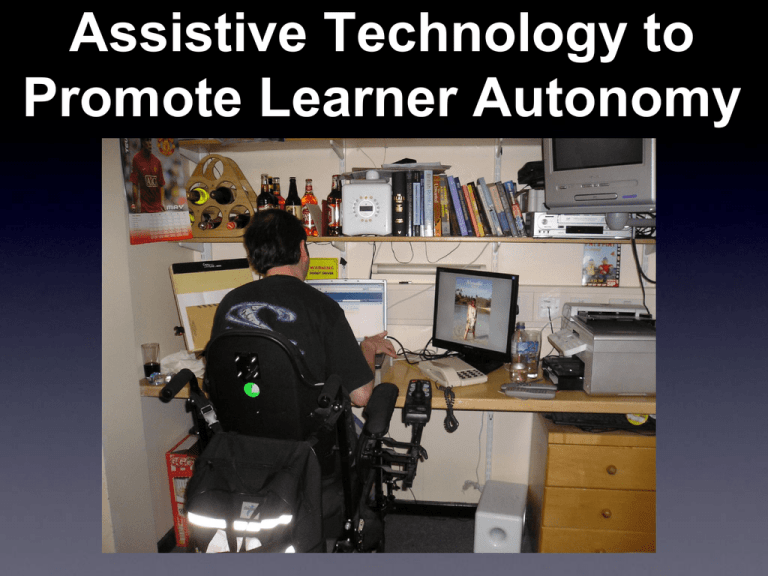
Assistive Technology for Neurodiverse Learners: Unlocking Potential and Empowering Success
In today’s diverse educational landscape, it is crucial to recognize and support the unique learning needs of neurodiverse students. Neurodiversity refers to the natural variations in how individuals perceive, process, and learn information. It encompasses conditions such as autism spectrum disorder, attention deficit hyperactivity disorder (ADHD), dyslexia, and many others.
Fortunately, assistive technology has emerged as a powerful tool to level the playing field for neurodiverse learners. These innovative solutions help bridge gaps in communication, organization, comprehension, and overall academic performance. By providing personalized support tailored to individual strengths and challenges, assistive technology empowers these learners to thrive academically.
One example of assistive technology is text-to-speech software. This tool converts written text into spoken words or audio files that can be listened to using headphones or speakers. For students with dyslexia or reading difficulties, this software assists in decoding complex texts by highlighting each word as it is read aloud. It not only improves reading comprehension but also enhances vocabulary development.
Another valuable resource is speech recognition software that allows users to dictate their thoughts instead of writing them down manually. This aids individuals with motor skill challenges or those who struggle with expressing themselves through traditional writing methods. By transcribing spoken words into written form on a computer screen, this technology enables neurodiverse learners to participate fully in class discussions and complete assignments more efficiently.
For students with ADHD or executive function difficulties related to organization and time management skills, digital planners and task-management apps are game-changers. These tools provide visual cues like reminders, alarms, color-coding features that help students stay organized amidst their busy schedules.
Visual supports are also critical for neurodiverse learners who benefit from enhanced structure and predictability within their learning environment. Visual aids such as graphic organizers or mind-mapping software help organize ideas, concepts, and relationships visually. This promotes better understanding and retention of information.
Furthermore, social skills training apps have proven effective in supporting individuals on the autism spectrum to develop social communication and interaction skills. These apps simulate real-life scenarios through interactive games, video modeling, and virtual role-playing exercises.
It is important to note that assistive technology should always be considered as part of a comprehensive support plan involving educators, parents/caregivers, and professionals who understand the specific needs of neurodiverse learners. Successful implementation requires ongoing assessment, training, and collaboration to ensure optimal utilization.
Assistive technology has revolutionized the educational landscape for neurodiverse learners by providing customized tools to enhance their learning experiences. By addressing individual challenges head-on and promoting independence in academic pursuits, these innovative solutions open doors to success for all students regardless of their unique neurological profiles.
 Alternative Amie
Leave a comment