Customized Curriculum: Empowering Students to Learn on Their Terms
Education is a fundamental aspect of human development, shaping our understanding of the world and equipping us with the skills necessary for success. However, traditional education systems often prioritize standardized curriculum over individual students’ needs and interests. This one-size-fits-all approach can leave many students feeling disengaged or overwhelmed. Fortunately, alternative schooling methods have emerged that focus on customized curriculum, empowering students to take control of their own learning journey.
Customized curriculum is an educational approach that tailors the learning experience to meet the unique needs and interests of each student. It recognizes that individuals have different learning styles, strengths, passions, and goals – factors that should shape their educational path.
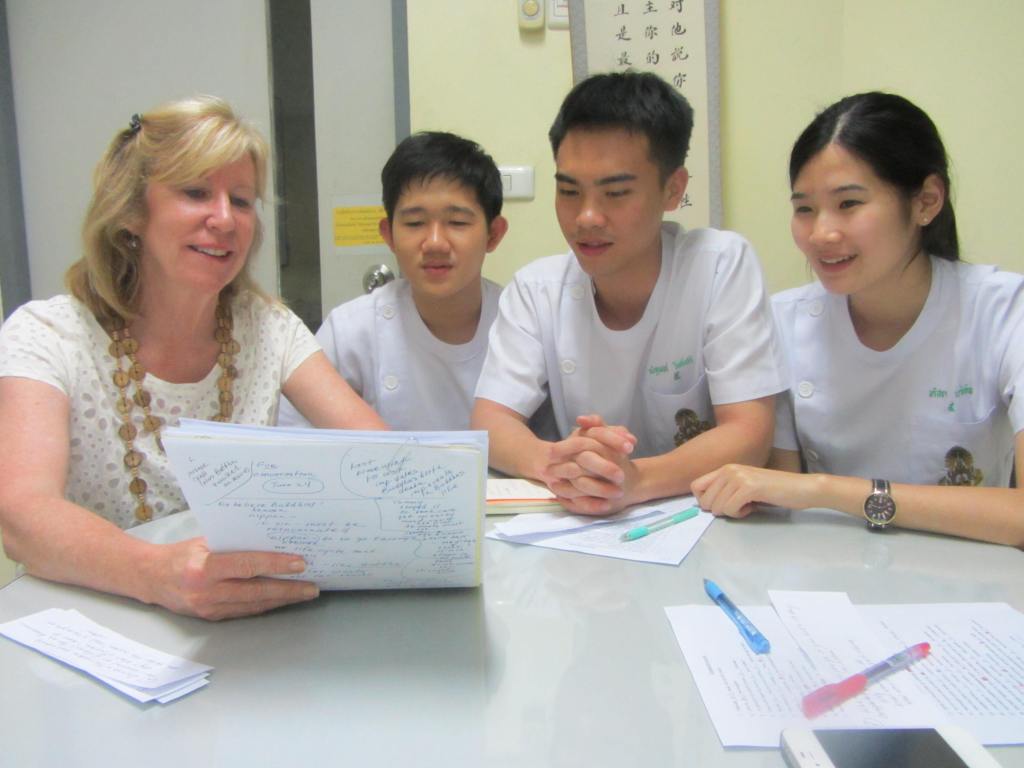
In a customized curriculum setting, students are actively involved in designing their own learning experiences. They collaborate with teachers and mentors to create personalized plans that align with their specific interests and goals. This collaborative process fosters a sense of ownership over one’s education while promoting critical thinking, problem-solving skills, self-motivation, and creativity.
One key advantage of customized curriculum is its ability to cultivate a love for learning among students. By allowing them to explore topics they are genuinely interested in, it taps into their intrinsic motivation and curiosity. When learners feel passionate about what they study – whether it’s art history or astrophysics – they become more engaged in the learning process itself.
Moreover, customized curriculum helps foster independence in learners by encouraging them to set personal goals and take responsibility for achieving them. Rather than relying solely on prescribed textbooks or lectures as sources of knowledge transfer, this approach encourages students to seek out information from various resources such as books, articles online platforms like Khan Academy or Coursera) field trips museums), interviews industry professionals). Such autonomy develops valuable research skills while promoting lifelong learning habits.
Another significant benefit lies in how customized curriculum enhances critical thinking abilities among students. In traditional settings where standardized tests dominate, students often memorize information without fully understanding the underlying concepts. However, customized curriculum encourages learners to think critically by connecting ideas, analyzing evidence, and evaluating multiple perspectives. By engaging in higher-order thinking skills, students become capable of understanding complex issues and developing well-rounded opinions.
Customized curriculum also recognizes that real-world learning experiences are invaluable for holistic development. It goes beyond classroom walls to incorporate experiential learning opportunities such as internships, community service projects, or entrepreneurial ventures. These experiences provide students with practical skills and expose them to real-life challenges and problem-solving scenarios.
Furthermore, customized curriculum promotes inclusivity by accommodating diverse learning needs. Students with different abilities or learning styles can receive individualized support tailored specifically to their requirements. This approach ensures that every student has an equal opportunity to succeed academically while fostering a sense of belonging within the educational community.
However, implementing customized curriculum requires a shift in how we perceive education and the roles of teachers and mentors. Educators must act as facilitators rather than mere transmitters of knowledge – guiding students through their personalized learning paths while providing necessary support when needed. This transformation not only empowers learners but also encourages collaboration between educators and students on an equal footing.
To implement customized curriculum successfully at scale, it is essential to provide professional development opportunities for educators. Teachers need training in pedagogical approaches that promote personalized learning as well as access to resources that allow them to design meaningful educational experiences tailored to each student’s needs.
In conclusion, a customized curriculum represents a paradigm shift in education – one that recognizes the unique strengths, interests, and goals of each learner. By empowering students to take ownership of their education through personalized plans and experiential learning opportunities, this approach fosters engagement, critical thinking skills independence self-motivation creativity). Additionally inclusive nature ensures equitable access success all learners regardless ability or style). As we continue exploring innovative methods alternative schooling systems evolve towards more learner-centered models, customized curriculum holds immense promise for transforming education and preparing students for a future full of possibilities.
 Alternative Amie
Leave a comment