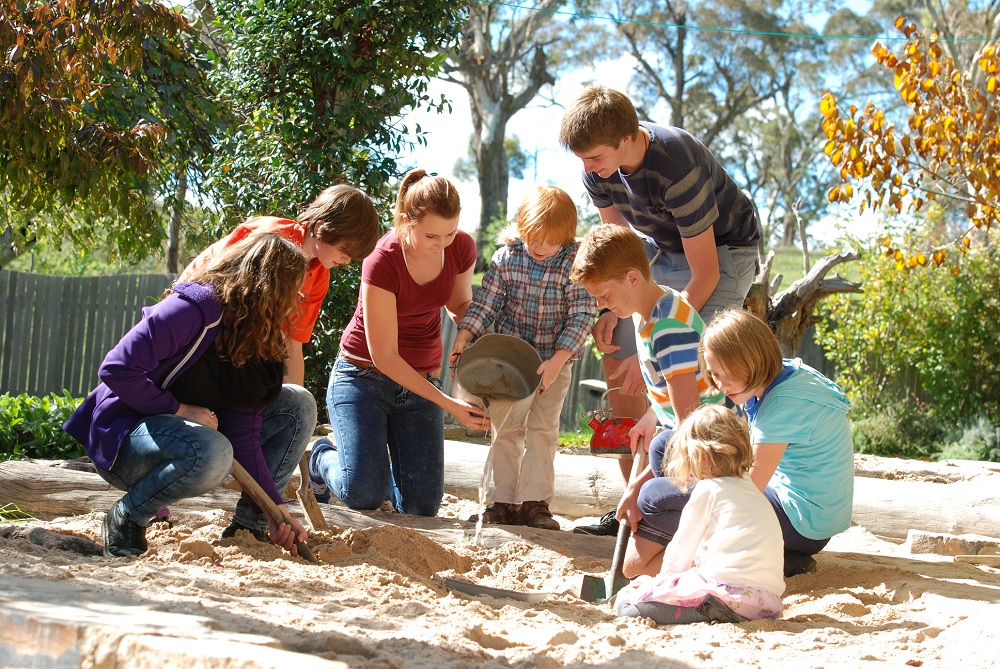
Outdoor learning has gained significant attention in recent years as an alternative approach to traditional classroom education. As children become increasingly disconnected from nature and spend more time indoors, educators are recognizing the need for outdoor experiences to enhance their learning and development. By taking lessons outside, students have the opportunity to explore, engage with their natural environment, and build a deeper understanding of various subjects.
One of the key benefits of outdoor learning is its ability to promote hands-on experiential learning. Instead of relying solely on textbooks and lectures, students can actively participate in the learning process by observing plants, animals, and natural phenomena. For instance, science classes can involve planting gardens or studying ecosystems in nearby forests. This not only fosters a sense of curiosity but also encourages critical thinking skills as students make connections between theoretical concepts learned in class and real-life examples they encounter outdoors.
Moreover, outdoor learning provides a multisensory experience that stimulates different senses such as sight, sound, touch, and smell. Whether it’s feeling the texture of leaves or listening to birds chirping in the trees while reading poetry during an English lesson—these sensory experiences deepen engagement with the subject matter. Research shows that when multiple senses are engaged simultaneously during learning activities, information retention improves significantly.
Another advantage of outdoor education is its positive impact on physical health and well-being. Spending time outside allows children to be physically active while enjoying fresh air and sunlight—a welcome change from sedentary indoor activities like sitting at desks for long periods. Outdoor play helps develop gross motor skills such as running and climbing while providing opportunities for social interaction among peers through collaborative games or team sports.
In addition to enhancing academic performance and physical health, outdoor education nurtures important life skills such as problem-solving abilities, teamwork capabilities, leadership qualities. When faced with challenges encountered outdoors—such as building a shelter or orienteering—they learn how to work together effectively by pooling resources and sharing responsibilities. These experiences foster independence and resilience, skills that are essential for success in future endeavors.
Furthermore, the natural environment offers a unique platform for teaching environmental awareness and sustainability. By engaging with nature firsthand, students develop a sense of appreciation and respect for the ecosystems they encounter. They become more conscious of their own impact on the environment and learn how to make environmentally friendly choices in their daily lives. This instills a lifelong commitment to protect the planet and encourages them to become responsible global citizens.
Outdoor learning also caters to different learning styles by providing alternative environments that cater to various needs. Some students may thrive in an outdoor setting as it allows them more freedom of movement or access to hands-on materials. Others may find it easier to concentrate without the distractions often found inside classrooms. By diversifying learning environments, educators can better accommodate individual differences and help every student reach their full potential.
Lastly, outdoor education has been shown to enhance mental health and well-being by reducing stress levels among children. Spending time outside surrounded by natural beauty has a calming effect on the mind, improving focus and concentration during lessons. Additionally, exposure to sunlight increases vitamin D production which plays a crucial role in regulating mood.
In conclusion, integrating outdoor learning into traditional education systems provides numerous benefits for students’ overall development. It promotes experiential learning, enhances sensory experiences, improves physical health, develops life skills like problem-solving and teamwork while fostering environmental awareness. Furthermore, it caters to diverse learning styles and positively impacts mental well-being. By embracing outdoor education opportunities whenever possible, we can empower our children with valuable knowledge while fostering a deep connection with nature that will last a lifetime
 Alternative Amie
Leave a comment