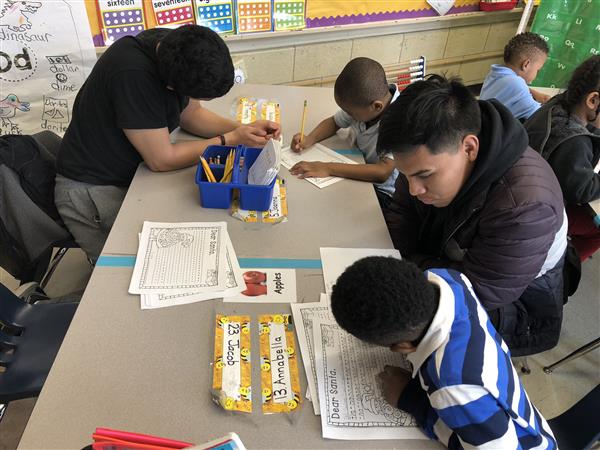
Cross-Age Tutoring: Fostering Learning and Empathy
Education is not only about acquiring knowledge but also about building a strong foundation for personal growth, empathy, and social skills. Traditional schooling often focuses on age segregation, with students of the same grade level being grouped together. However, an alternative approach that has gained traction in recent years is cross-age tutoring.
Cross-age tutoring refers to a practice where older students mentor younger ones, offering academic support and guidance. This form of peer learning provides numerous benefits for both the tutor and the tutee, fostering not only academic progress but also emotional development.
In cross-age tutoring programs, older students are given the opportunity to assume a teaching role. By explaining concepts or assisting younger students with their assignments, they reinforce their own understanding of subjects while developing leadership skills. This process improves their self-confidence as they witness firsthand how they can make a positive impact on someone’s learning journey.
For the younger students being tutored, having an older peer as a mentor can be highly beneficial. Firstly, it creates an atmosphere where asking questions feels more comfortable since there isn’t a significant power dynamic between teacher and student. Younger children may find it easier to approach an older classmate rather than seeking help from an adult authority figure.
Additionally, when receiving instruction from someone closer to their age group rather than from adults who have already mastered those skills long ago, young learners may feel less intimidated by potential judgment or criticism. The presence of supportive peers allows them to take risks without fear of failure and encourages active participation in their own learning process.
Moreover, cross-age tutoring promotes empathy among all participants involved in this educational exchange. Both tutors and tutees learn to understand each other better through shared experiences and challenges faced during lessons or study sessions.
By working closely with younger children who may struggle academically or emotionally at times, tutors develop patience and compassion—a necessary skill set for future leaders and citizens. This experience helps them recognize the unique strengths and challenges of individuals, fostering a sense of empathy that can extend beyond the academic setting.
On the other side of this equation, younger students receive not only academic support but also guidance from older peers who have already navigated similar challenges themselves. These interactions provide valuable role models for personal growth and character development.
Cross-age tutoring programs are especially effective in subjects such as reading or math, where individual attention plays a crucial role in mastering foundational skills. Tutors can tailor their approach to meet each tutee’s specific needs, providing targeted instruction and addressing any misconceptions or difficulties promptly.
Research has shown that cross-age tutoring improves academic performance for both tutors and tutees. A study conducted by the National Center for Educational Evaluation found that students who participated in cross-age tutoring programs had higher achievement scores compared to those who did not take part in such initiatives. Furthermore, tutors often exhibit enhanced motivation to excel academically due to their newfound responsibilities as mentors.
Beyond academics, cross-age tutoring fosters social integration between different age groups within schools or communities. It breaks down barriers by promoting collaboration between students who may not typically interact with one another during regular school activities. This interaction nurtures a sense of community spirit and creates lasting bonds among diverse groups within educational settings.
To implement successful cross-age tutoring programs, it is essential to establish clear guidelines and training processes for both tutors and tutees. Providing initial training on effective teaching methods and communication skills ensures that tutors are equipped with the necessary tools to guide younger learners effectively.
Furthermore, ongoing support from teachers or program coordinators is crucial throughout the process to monitor progress, address potential issues promptly, and celebrate achievements together as a team. Recognizing the efforts put forth by these peer educators is vital in sustaining their enthusiasm while simultaneously boosting self-esteem.
In conclusion, cross-age tutoring offers an alternative educational approach that benefits both older student tutors and younger tutees. This practice not only enhances academic performance but also promotes empathy, social integration, and personal growth.
By breaking down age barriers, cross-age tutoring programs create an environment where students can learn from one another, fostering a sense of community and understanding among diverse groups within educational settings. These initiatives play a vital role in nurturing well-rounded individuals who are equipped with the skills necessary to thrive academically and socially.
 Alternative Amie
Leave a comment