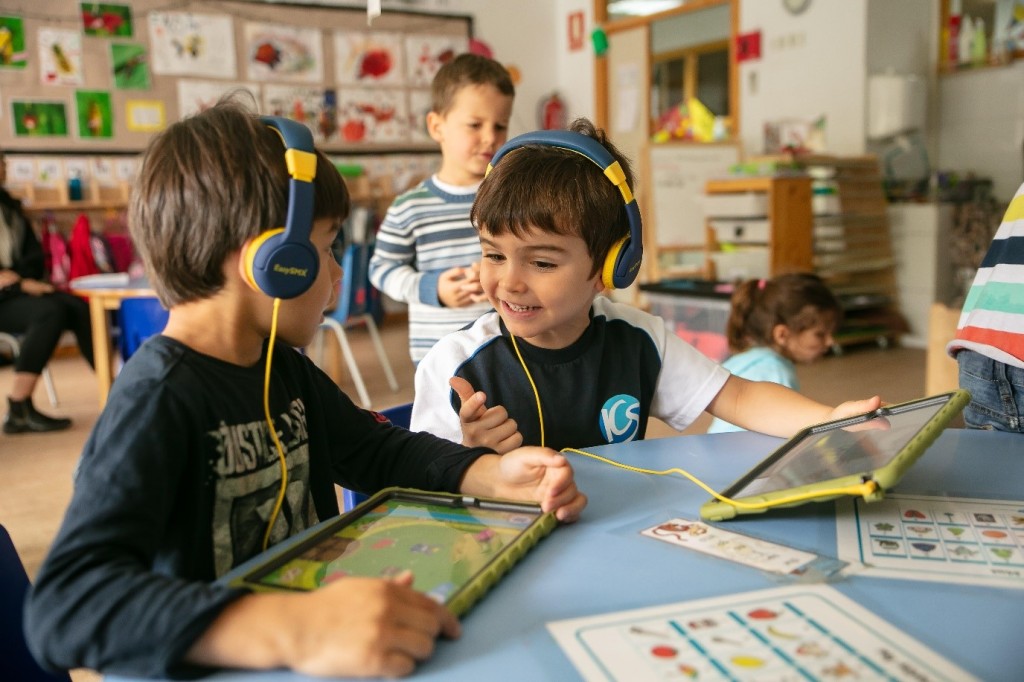
Bilingual education is a topic that has gained significant attention and importance in recent years. With the increasing diversity of student populations, it has become crucial to provide educational programs that support students who come from diverse linguistic and cultural backgrounds. In this post, we will explore various subtopics related to bilingual education and delve into the benefits, challenges, strategies, and policies surrounding this field.
One of the primary benefits of bilingual education is its positive impact on cognitive development. Research suggests that being bilingual enhances executive functions such as problem-solving skills, multitasking abilities, and creative thinking. Bilingual students also tend to have better metalinguistic awareness and are more adept at understanding language structures. These advantages extend beyond academic pursuits and can contribute to improved career prospects later in life.
Dual language immersion programs are an increasingly popular approach in bilingual education. These programs aim to promote high levels of proficiency in both languages by providing instruction through two languages for all subjects across the curriculum. By creating an immersive environment where students regularly use their home language alongside the target language, dual-language immersion programs foster biliteracy while maintaining strong academic achievement.
Various models exist within bilingual education that cater to different student populations’ needs. Transitional bilingual education involves gradually transitioning students from their native language to English over time until they can fully participate in mainstream classes taught solely in English. Maintenance or developmental bilingual education maintains instruction in both languages throughout a student’s schooling journey, ensuring continuous development of both languages.
Language acquisition plays a pivotal role in determining success within bilingual education programs. It is essential to recognize that each student may have unique experiences with acquiring multiple languages based on factors such as age of exposure or previous linguistic background. Understanding these individual differences helps educators design appropriate instructional strategies tailored for each learner’s specific needs.
Cultural competency is another critical aspect of effective bilingual education practices. Educators must embrace cultural diversity within classrooms, promoting respect for different cultures while fostering inclusivity among all students. By incorporating culturally relevant materials and engaging in dialogue about diverse cultural perspectives, students gain a deeper understanding of their own heritage language and the languages of others.
Implementing bilingual education programs can present challenges. Limited resources, lack of qualified teachers, and resistance to change are common obstacles that schools face. Additionally, there may be political or policy-related barriers that impact the availability and accessibility of bilingual education initiatives. Overcoming these challenges requires collaboration among educators, administrators, policymakers, parents, and community members to advocate for resources and support.
Policies and legislation play a significant role in shaping bilingual education practices at local, state, and national levels. Legal frameworks provide guidance on program requirements, funding allocations, language access rights for students and families with limited English proficiency (LEP), as well as standards for teacher certification in bilingual education. Understanding the policies governing bilingual education is crucial to ensure compliance while advocating for equitable provisions.
Parental involvement is essential in fostering successful outcomes within bilingual programs. Parents’ active engagement in their children’s educational journey helps create a supportive home environment where both languages are valued. Parent-teacher partnerships facilitate effective communication between home and school settings which positively impacts student learning outcomes.
In conclusion, addressing the needs of multilingual learners through high-quality bilingual education programs is vital for promoting academic achievement while valuing linguistic diversity. By recognizing the cognitive benefits of being bilingual, implementing inclusive practices that embrace cultural differences, overcoming challenges through collaborative efforts across various stakeholders involved in educating multilingual learners – we can work towards creating an educational system that supports all students regardless of their linguistic background or cultural heritage
 Alternative Amie
Leave a comment