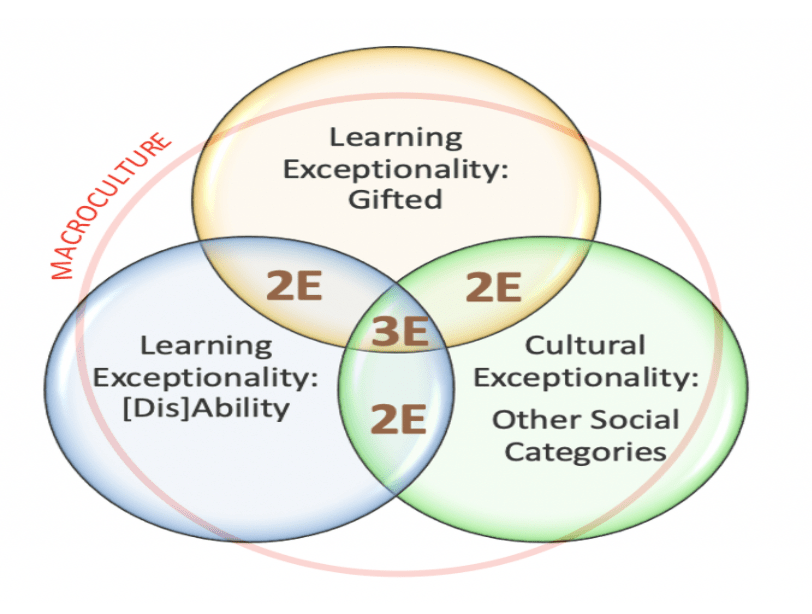
Twice-exceptional students, also known as 2e students, are a unique population within the realm of gifted education. These students possess both high intellectual ability and a learning or developmental disability. They may have ADHD, autism spectrum disorder, or other challenges that can mask their exceptional talents and hinder their academic performance.
Identifying and supporting twice-exceptional students can be challenging due to the complexity of their needs. Traditional assessment methods often fail to capture the full extent of their abilities because their disabilities may overshadow their strengths during testing. As a result, these students are frequently overlooked or misunderstood in educational settings.
Underachievement in gifted students is another critical issue that many educators face. Despite having above-average intelligence, some gifted learners struggle academically and may not reach their full potential. This underachievement can stem from various factors such as lack of challenge in the classroom, perfectionism, fear of failure, boredom, or social-emotional issues.
To address this problem effectively, it is essential for teachers to provide differentiated instruction tailored to each student’s unique needs and interests. By offering more advanced content and projects that align with individual abilities and interests, educators can motivate gifted learners to excel academically while nurturing their love for learning.
Speaking of social-emotional needs in gifted learners brings attention to another crucial aspect of educating these students. Many intellectually advanced children experience heightened sensitivities and intense emotions compared to their peers. They may feel isolated or different from others due to asynchronous development – being intellectually advanced but emotionally on par with same-age peers.
To support the social-emotional well-being of gifted learners, schools should offer specialized counseling services or create safe spaces where these individuals can connect with like-minded peers who understand them better. Implementing social skills training programs and fostering an inclusive school environment that celebrates diversity will enhance overall emotional growth among these talented youngsters.
Gifted education faces numerous challenges across different contexts such as rural areas where resources are often limited. In these regions, access to specialized programs and services for intellectually advanced students can be scarce due to factors like distance, lack of funding, or a scarcity of trained educators. It is crucial for policymakers and education stakeholders to prioritize equitable opportunities for gifted learners in rural areas by investing in professional development for teachers and allocating sufficient resources.
Furthermore, cultural diversity among gifted students highlights the need for culturally responsive practices within gifted education programs. Educators must recognize the unique strengths and challenges faced by students from different cultural backgrounds and adapt teaching strategies accordingly. By incorporating diverse perspectives into curriculum design, providing mentorship opportunities with successful individuals from similar backgrounds, and embracing multiculturalism in school environments, we can create an inclusive educational experience that empowers all intellectually advanced students.
In conclusion, addressing the needs of gifted learners requires a multifaceted approach that encompasses identification procedures, differentiated instruction, social-emotional support, policy reformulation, and collaboration between educators. By understanding the unique characteristics of this population and implementing evidence-based strategies tailored to their needs, we can ensure that gifted students thrive academically while also fostering their holistic development as confident individuals ready to make significant contributions to society.
 Alternative Amie
Leave a comment