Differentiating instruction is a crucial aspect of supporting students with diverse learning needs. It involves tailoring teaching methods, materials, and assessments to meet the individual strengths, interests, and challenges of each student. By doing so, educators can ensure that all students are engaged and able to make progress.
Assistive technology plays a significant role in Individualized Education Programs (IEPs). It provides tools and devices that enable students with disabilities to access the curriculum, complete tasks independently, and participate fully in the classroom environment.
Transition planning for post-secondary education is essential for students with special needs as they prepare to enter adulthood. This process involves setting goals, developing skills, and coordinating services to support their successful transition into post-school activities such as higher education or employment.
Personalized learning goals are at the heart of IEPs. These goals focus on addressing specific areas of need identified through assessments and evaluations. They provide a clear roadmap for educators to tailor instruction and interventions to support each student’s unique learning journey.
A collaborative team approach is key in developing effective IEPs. This involves bringing together parents/guardians, general education teachers, special education teachers, related service providers, administrators, and sometimes even the student themselves. By working together collectively towards shared goals, this approach ensures comprehensive support across all aspects of a student’s educational experience.
Accommodations and modifications within the classroom are crucial in ensuring equal access for students with disabilities. Accommodations refer to adjustments made to instructional strategies or environmental factors while modifications involve altering expectations or standards based on an individual’s abilities.
Individualized behavior support plans address challenging behaviors exhibited by some students with special needs. These plans outline strategies that promote positive behavior while also providing guidance on how best to respond when problem behaviors arise.
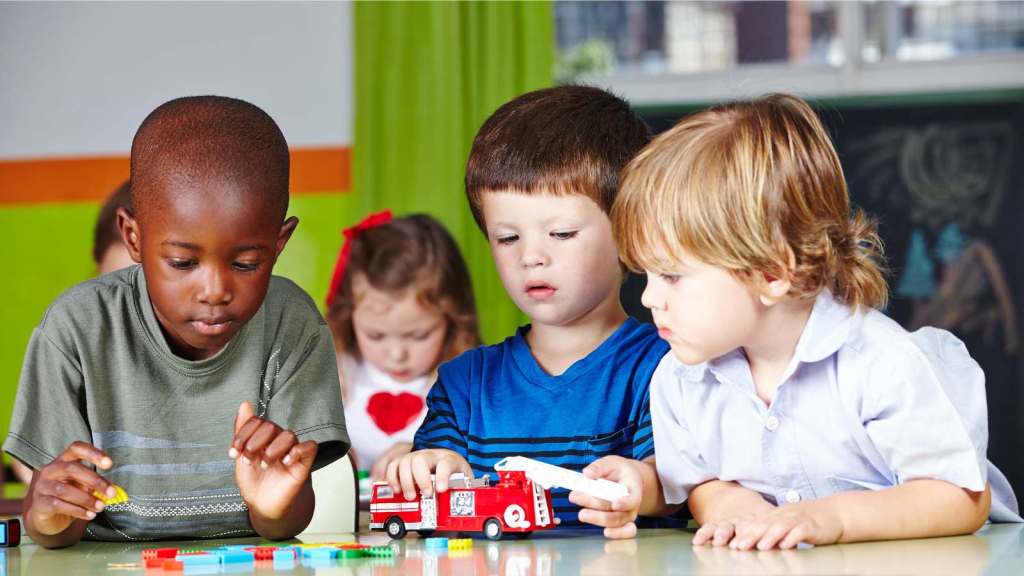
Inclusive practices aim to create an environment where all students feel valued and included regardless of their abilities or differences. Educators strive to adapt curriculum materials and instructional methods so that students with disabilities can actively participate alongside their peers.
Social-emotional learning is an important component of IEPs, as it addresses the social and emotional well-being of students. It focuses on developing skills such as self-awareness, self-management, social awareness, relationship skills, and responsible decision-making.
Self-advocacy skills are vital for students with special needs to become active participants in their education and future endeavors. These skills empower them to communicate their needs effectively, set goals, and make informed choices.
Parent involvement is crucial in IEP meetings and decision-making processes. Parents bring valuable insights into their child’s strengths, challenges, preferences, and goals. Their active participation helps ensure that the IEP reflects the unique needs of each student.
Multisensory teaching strategies benefit diverse learners by engaging multiple senses during instruction. This approach recognizes that individuals have different learning styles and preferences; therefore, incorporating visual aids, auditory cues, hands-on activities can enhance comprehension and retention.
Executive functioning skills support within IEPs helps students develop essential cognitive abilities such as organization, time management, planning ahead, problem-solving techniques – all necessary for independent success both inside and outside the classroom.
Universal Design for Learning (UDL) principles focus on creating flexible instructional approaches that cater to a wide range of learner variability. UDL aims to remove barriers to learning by providing multiple means of representation (presenting information), action/expression (allowing various ways to demonstrate knowledge), and engagement (fostering motivation).
Response to Intervention (RTI) framework complements the development of IEPs by identifying struggling learners early on through systematic assessments. RTI provides targeted interventions matched explicitly to individual student needs before considering special education services.
Individualized transition services help students with special needs prepare for life after high school by addressing areas such as post-secondary education or vocational training opportunities specific to their interests or career goals.
Culturally responsive teaching within the context of IEPs recognizes and values the cultural backgrounds, experiences, and perspectives of students with disabilities. It acknowledges that culture plays a significant role in shaping students’ identities and impacts their learning.
Differentiated assessment methods ensure that students with disabilities are assessed in ways that accurately reflect their abilities and provide meaningful feedback on their progress. This may involve alternative assessments or modifications to traditional assessment approaches.
Collaboration between general and special education teachers is crucial to creating an inclusive classroom environment where all students can thrive. By sharing knowledge, expertise, and resources, educators can better meet the diverse needs of learners.
Personalized accommodations for students with sensory impairments aim to remove barriers to learning by providing appropriate support such as assistive technology devices, modifications to instructional materials, or adjustments in the physical environment.
Individualized communication supports within IEPs address the unique communication needs of students with disabilities. These supports may include augmentative and alternative communication systems (AAC), visual aids, sign language interpreters, or speech therapy services.
Strategies to promote self-determination skills in IEPs empower students to have control over their own lives by fostering skills such as decision-making, goal-setting, problem-solving while building confidence and autonomy.
Addressing specific learning disabilities through targeted interventions involves identifying areas of difficulty through comprehensive evaluations and implementing evidence-based strategies tailored to each student’s needs.
Supporting students with autism spectrum disorder (ASD) through individualized plans ensures they receive specialized support addressing social communication deficits, sensory sensitivities/supports while facilitating academic success within an inclusive setting whenever possible.
Promoting inclusive extracurricular activities and community engagement through IEPs helps foster socialization opportunities beyond the classroom for all learners regardless of ability level. Inclusive activities promote understanding, empathy while developing important life skills outside academic domains.
 Alternative Amie
Leave a comment