Assessing Creativity Through Peer Evaluation
Introduction
Creativity is a crucial skill that plays a significant role in the overall development of individuals. It allows people to think outside the box, solve problems innovatively, and generate unique ideas. Traditional methods of assessing creativity often focus on individual performance, such as tests or assignments graded solely by teachers. However, alternative schooling and education systems have started utilizing peer evaluation as an effective means to assess creativity. This case study explores how peer evaluation can be used to assess creativity and its benefits in promoting collaborative learning environments.
Benefits of Peer Evaluation for Assessing Creativity
1. Diverse Perspectives: When students evaluate their peers’ creative work, they bring different perspectives based on their own experiences and backgrounds. This diversity provides valuable insights that may not be captured through a single teacher’s viewpoint.
2. Constructive Feedback: Peer evaluation encourages students to provide constructive feedback, which helps improve creativity skills. Peers can identify strengths and weaknesses in each other’s work, offering suggestions for improvement without the pressure associated with formal assessments.
3. Collaboration Skills: Evaluating peers’ creative work fosters collaboration skills among students as they learn to communicate effectively and respectfully discuss differing opinions regarding artistry or problem-solving approaches.
4. Sense of Ownership: By involving students in evaluating their peers’ work, it creates a sense of ownership over the assessment process itself. Instead of relying solely on external validation from teachers or grades, students become active participants in shaping their learning environment.
Implementing Peer Evaluation for Assessing Creativity
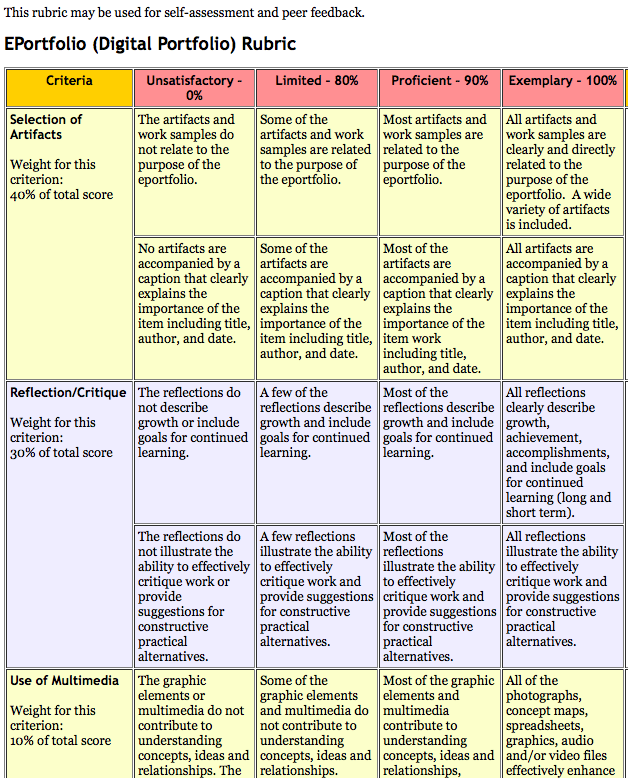
1. Clear Assessment Criteria: Establish clear criteria for evaluating creativity that align with the objectives of the assignment or project being assessed. These criteria should be communicated clearly to both evaluators and those being evaluated.
2. Training Students: Before engaging in peer evaluation, it is essential to train students on how to provide constructive feedback effectively without causing harm or discouragement among their peers.
3. Anonymity and Fairness: To ensure fairness, peer evaluations can be conducted anonymously. This approach allows students to provide honest feedback without fear of bias or retaliation.
4. Self-Reflection: Encourage students to reflect on their own work through self-assessment before evaluating others. This process helps them develop a deeper understanding of creativity and enhances their ability to evaluate the work of their peers more objectively.
5. Peer Evaluation Sessions: Designate specific sessions for peer evaluation, where students can share their creative work with one another and provide feedback based on the established criteria. These sessions should be facilitated by teachers to ensure they remain respectful, constructive, and focused on growth rather than competition.
6. Reflection and Revision: Following peer evaluation, allow students time to reflect on the feedback received and make revisions or improvements in light of the suggestions provided. This iterative process encourages continuous learning and improvement while fostering resilience in dealing with criticism constructively.
Conclusion
Peer evaluation offers a unique approach to assess creativity in alternative schooling and education systems. By involving students as active participants in assessing each other’s creative work, it promotes collaboration skills, diverse perspectives, constructive feedback, and a sense of ownership over the learning process itself. Implementing clear assessment criteria, training students effectively, ensuring anonymity and fairness, encouraging self-reflection before evaluating others’ work, conducting dedicated peer evaluation sessions facilitated by teachers are essential steps towards successful implementation of this method. Through such practices, educators can create inclusive learning environments that nurture creativity among students while preparing them for real-world challenges where collaboration is key to success.
 Alternative Amie
Leave a comment