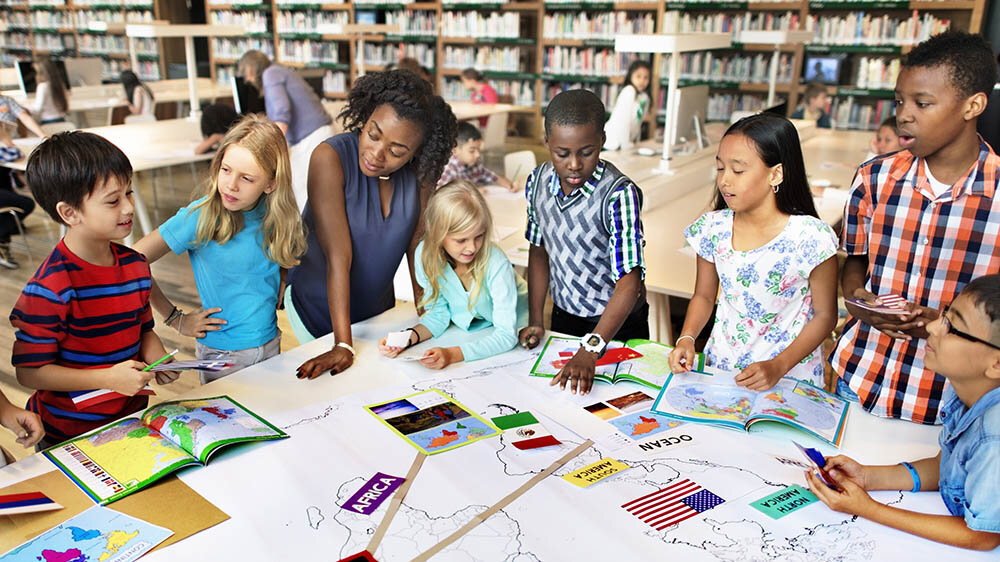
International Education: Expanding Horizons and Embracing Diversity
Education is a fundamental right that empowers individuals, shapes societies, and paves the way for a prosperous future. In today’s increasingly globalized world, where borders are becoming blurrier than ever before, international education has emerged as an invaluable tool to foster cultural understanding, promote diversity, and prepare students for the challenges of an interconnected world.
In its essence, international education refers to any form of learning that transcends national boundaries. It encompasses various educational programs such as study abroad initiatives, exchange programs between schools or universities in different countries, and even online courses that connect learners from diverse backgrounds across the globe.
One of the key advantages of international education lies in its ability to broaden horizons by exposing students to new perspectives and ideas. By immersing themselves in foreign cultures and societies, students gain a deeper understanding of global issues and develop empathy towards people with different beliefs and values. This firsthand experience allows them to break free from narrow-mindedness while fostering open-mindedness—a crucial trait in our increasingly multicultural world.
Moreover, international education equips students with valuable cross-cultural communication skills. In today’s interconnected world where collaboration knows no boundaries—be it professional partnerships or diplomatic negotiations—the ability to effectively communicate across cultures is more important than ever before. International education provides opportunities for students to navigate language barriers, cultural nuances, and diverse ways of thinking—skills that are highly sought after in both academic and professional settings.
Furthermore, studying abroad or engaging in international educational experiences fosters personal growth on multiple levels. Students who venture beyond their comfort zones often find themselves challenged by unfamiliar environments—a situation that pushes them out of their routines and compels them to adapt quickly. Through this process of adaptation comes personal growth as they learn resilience, self-reliance, problem-solving skills—all traits that serve them well throughout their lives.
Another significant aspect of international education is its role in promoting global citizenship. As students encounter different cultures, languages, and traditions, they develop a sense of interconnectedness with the world around them. They become aware of their responsibilities as global citizens and recognize the importance of addressing shared challenges such as climate change, poverty, and inequality.
International education also brings economic benefits to both individuals and nations alike. Students who have experienced international education often possess a competitive edge in the job market due to their language proficiency, adaptability, and intercultural competence. Additionally, countries that attract international students benefit from increased revenues through tuition fees paid by these students and subsequent contributions to local economies.
Despite its numerous advantages, international education is not without its challenges. Financial constraints often hinder accessibility for many students who are unable to afford study abroad programs or cover travel expenses. Language barriers can also pose difficulties for non-native English speakers seeking educational opportunities in English-speaking countries.
Furthermore, cultural differences may create initial discomfort or misunderstandings for those entering unfamiliar environments. However, it is precisely this discomfort that serves as an opportunity for personal growth and learning—allowing individuals to challenge preconceived notions and expand their worldview.
To address these challenges and make international education more accessible to all students regardless of socioeconomic background or linguistic abilities, governments, educational institutions, and organizations must work together collaboratively. Scholarships specifically designated for underprivileged students can help alleviate financial burdens while exchange programs targeted at improving language skills can bridge the gap between diverse linguistic backgrounds.
In conclusion, international education plays a vital role in shaping well-rounded individuals capable of navigating our increasingly interconnected world. By providing exposure to new perspectives, fostering cross-cultural communication skills,
and promoting global citizenship values—international education opens doors to endless opportunities for personal growth while breaking down barriers that divide us.
Through embracing diversity in all its forms,
we pave the way towards a brighter future—one where understanding,
tolerance,
and collaboration thrive on a global scale.
Let us seize this opportunity to invest in international education and empower the next generation of global citizens.
 Alternative Amie
Leave a comment